
















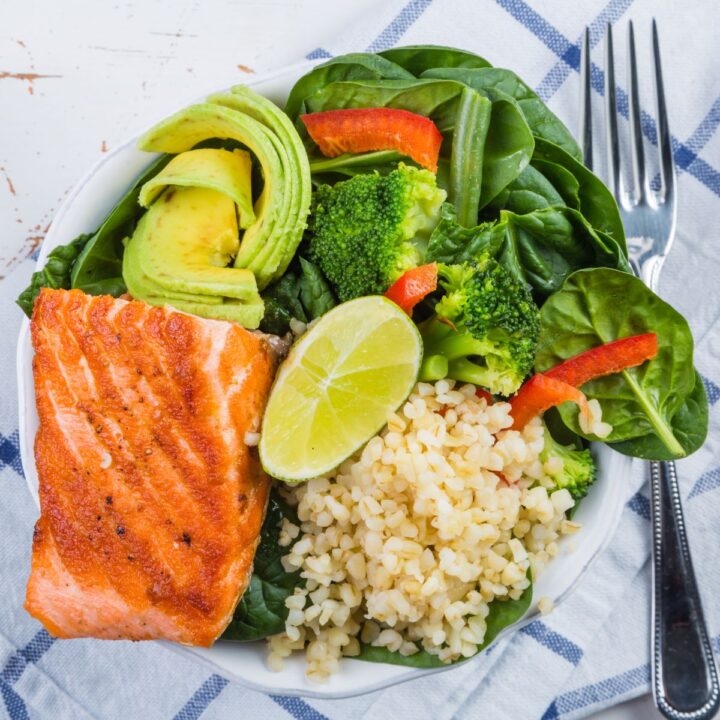

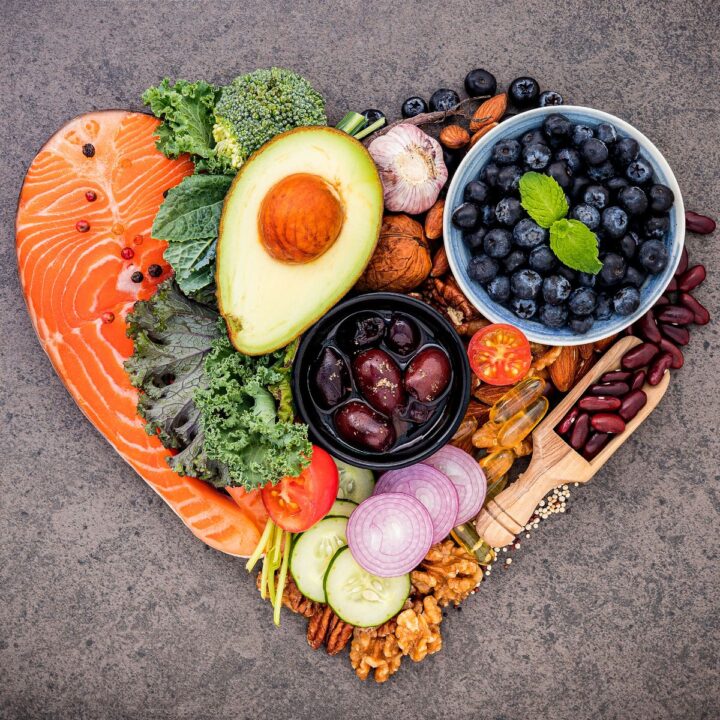
When it comes to building balanced meals and supporting your overall wellness, understanding macronutrients is one of the most important nutrition foundations.
So, what are macronutrients? Macronutrients, often called "macros", are the nutrients your body needs in large amounts to function properly every single day.
🌿 ARTICLE SNAPSHOT
Article Highlights
💡 Quick Overview: Macronutrients are the three essential nutrients your body needs in large amounts. Think protein, carbohydrates, and fats. Learning how each one works can help you build balanced meals, support your energy, and nourish your body for long-term health.
🎯 Main Topic: What macronutrients are, why they matter, and how to create balanced meals using protein, carbohydrates, and healthy fats.
👥 Best For: Anyone looking to understand the basics of nutrition, build healthier eating habits, support weight management, or improve their overall wellness.
✨ You'll Learn:
- What macronutrients are and why your body needs them.
- The roles of protein, carbohydrates, and healthy fats.
- How to build balanced meals that support energy and overall health.
- Simple ways to incorporate all three macronutrients into your daily routine.
🌱 Why It Matters: Understanding macronutrients can help you move beyond diet trends and make confident, balanced food choices. When your meals include the right combination of protein, carbohydrates, and healthy fats, you're better equipped to support your energy, metabolism, muscle health, hormones, and long-term well-being.
Jump to:
- Article Highlights
- 🥗 Your Simple Guide to Protein, Carbs, and Healthy Fats
- ❓ What Are Macronutrients?
- 🥑 Fats: Essential For Hormones & Nutrient Absorption
- 🍠 Carbohydrates: Your Body's Preferred Energy Source
- 🍗 Protein: Building Block Of The Body
- ⚖️ Why Balance Matters?
- 🧡 Simple Ways To Balance Macronutrients Daily
- 🌀 Harmony Method Tip: Build Your Balanced Macro Plate
- 🛑 Signs Your Meals May Need Better Macro Balance
- 🌿 Macronutrients & Holistic Wellness
- 💚 Nourishing Your Body Through Balance
- 🤔 ⁉️ FAQ - Common Questions Asked About Macronutrients
- 💬 Let's Keep The Conversation Going: Understanding Macronutrients
- 📧 Share This Article
- 📚 References
- 💬 Comments
🥗 Your Simple Guide to Protein, Carbs, and Healthy Fats
What are macronutrients you ask? The three macronutrients are:
- 🥑 Fats
- 🍠 Carbohydrates
- 🍗 Protein
Each one plays a unique role in energy, metabolism, hormone support, recovery, and overall health. Instead of fearing certain foods or cutting out entire food groups, learning how macros work can help you create a more balanced and sustainable approach to nutrition.
❓ What Are Macronutrients?
Macronutrients are nutrients that provide the body with energy (calories) and support essential body functions. Every meal you eat contains a combination of fats, carbohydrates, and protein in different amounts.
A balanced intake of all three macronutrients helps support:
- Stable energy levels.
- Hormone health.
- Muscle repair and recovery.
- Gut health and digestion.
- Blood sugar balance.
- Brain function.
- Overall wellness.
Let's break down each macronutrient and why your body needs them.
🥑 Fats: Essential For Hormones & Nutrient Absorption
For years, fat was misunderstood and often avoided. However, healthy fats are incredibly important for your body and overall wellness.
Functions Of Healthy Fats
Healthy fats help:
- Absorb fat-soluble vitamins A, D, E, and K.
- Support hormone production and metabolism.
- Provide long-lasting energy storage.
- Protect and insulate the body.
- Support heart and brain health.
Your body needs essential fatty acids because it cannot make them on its own. Including healthy fat sources in your meals can help promote satiety, balanced hormones, and healthy skin.
Healthy Fat Food Sources
Some nourishing fat sources include:
- Avocados
- Olive oil
- Nuts and seeds
- Chia seeds and flaxseeds.
- Salmon and fatty fish.
- Nut butters
- Coconut products.
- Eggs
Simple Tip
Try adding healthy fats to every meal for better satisfaction and nutrient absorption. For example, drizzle olive oil over vegetables or add avocado to a nourishing bowl.
🍠 Carbohydrates: Your Body's Preferred Energy Source
Carbohydrates often get a bad reputation, but they are actually the body's primary source of energy. Your brain, muscles, and cells rely heavily on glucose, which comes from carbohydrates.
Functions Of Carbohydrates
Carbohydrates help:
- Provide energy for the body and brain.
- Fuel workouts and daily movement.
- Prevent protein from being used for energy.
- Support digestion through dietary fiber.
- Help regulate blood sugar levels when paired with protein and fats.
Fiber-rich carbohydrates are especially beneficial for gut health and can support healthy digestion and colon health.
Healthy Carbohydrate Food Sources
Quality carbohydrate sources include:
- Fruit
- Oats
- Quinoa
- Brown Rice
- Potatoes and sweet potatoes.
- Beans and lentils
- Vegetables
- Whole Grains
Simple Tip
Choose fiber-rich carbohydrates more often to help support stable energy and digestion. Pair carbs with protein and healthy fats for balanced meals.
🍗 Protein: Building Block Of The Body
Protein is essential for growth, repair, recovery, and maintaining lean muscle mass. Every cell in the body contains protein, making it a critical nutrient for life.
Functions Of Protein
Protein helps:
- Repair tissues and support muscle growth.
- Produce hormones and enzymes.
- Support immune function.
- Build and maintain body structures.
- Provide energy when carbohydrate intake is low.
Protein is especially important for recovery, strength, metabolism, and maintaining fullness after meals.
Healthy Protein Food Sources
Protein-rich foods include:
- Chicken and turkey.
- Fish and seafood.
- Eggs
- Greek Yogurt
- Cottage Cheese
- Tofu and tempeh.
- Beans and lentils.
- Nuts and seeds.
Simple Tip
Including protein with meals and snacks may help support energy, fullness, and muscle recovery throughout the day.
⚖️ Why Balance Matters?
Instead of focusing on eliminating certain foods, a balanced nutrition approach often works best long term. Combining all three macronutrients in meals can help support:
- Better energy.
- Blood sugar balance.
- Gut and hormone health.
- Muscle recovery.
- Mental clarity.
- Sustainable wellness habits.
A simple balanced plate may include:
- Protein → grilled chicken or beans.
- Healthy Fat → avocado or olive oil.
- Carbohydrates → quinoa or sweet potatoes.
- Fiber-Rich Vegetables → leafy greens or roasted vegetables.
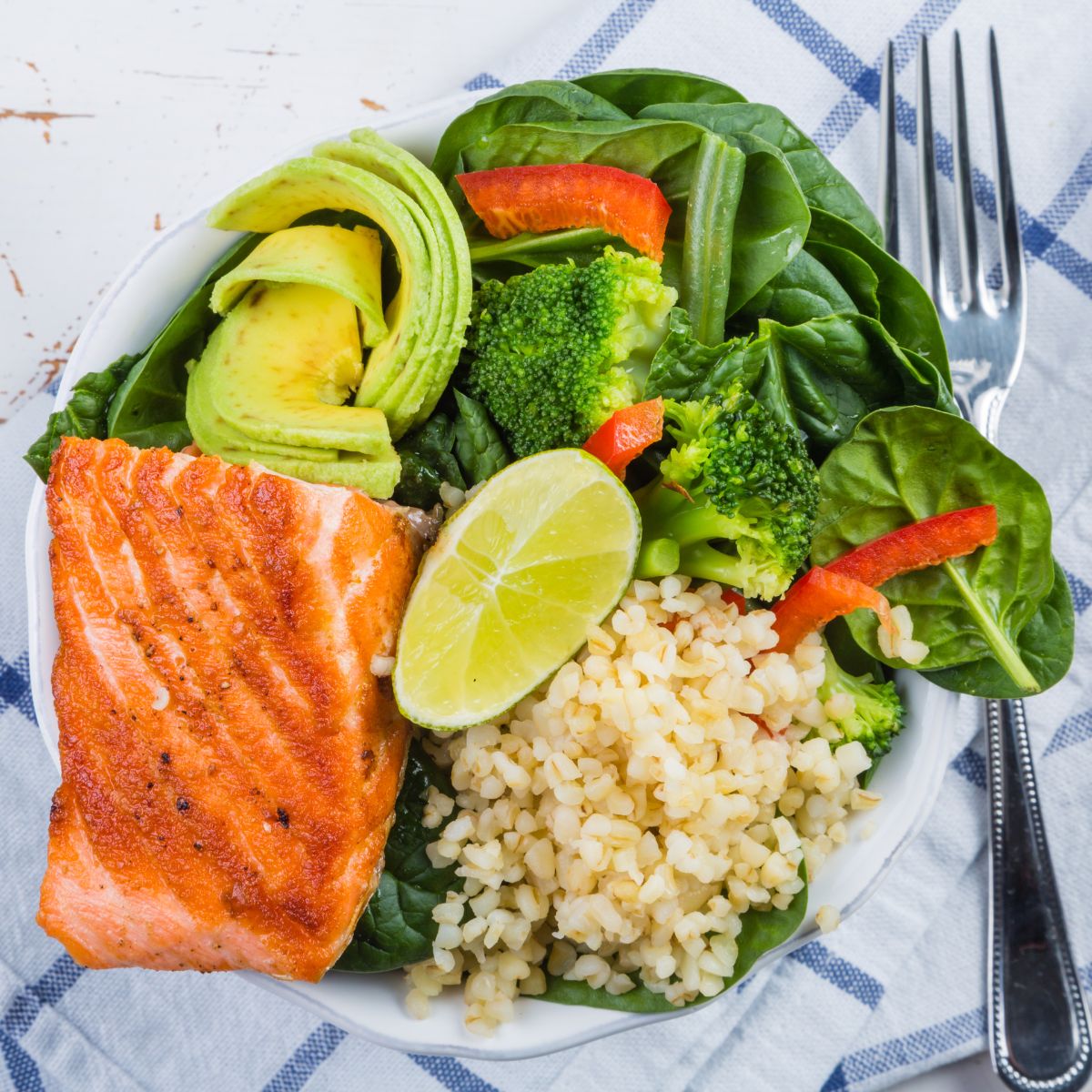
Balanced nutrition isn't about cutting foods out. It's about learning how to fuel your body with the protein, carbohydrates, and healthy fats it needs to thrive, heal, and sustain lasting wellness.
--- Laura Villanueva, Eat Your Nutrition
🧡 Simple Ways To Balance Macronutrients Daily
Building balanced meals does not have to feel complicated. A helpful approach is including all three macronutrients in your meals whenever possible.
📥 GET THIS RECIPE IN YOUR INBOX 📥
Creating balanced meals can be straightforward. One effective strategy is to incorporate all three macronutrients into your meals whenever you can. Exactly what are macronutrients in the context of meal planning?
Here are a few simple examples:
Breakfast Ideas
- Greek yogurt with berries, chia seeds, and oats.
- Eggs with avocado toast and fruit.
- Protein smoothie with nut butter and spinach.
Lunch Ideas
- Grilled chicken bowl with quinoa and roasted vegetables.
- Turkey wrap with hummus and greens.
- Lentil salad with olive oil dressing and avocado.
Dinner Ideas
- Salmon with sweet potatoes and broccoli.
- Stir-fry with rice, tofu, and vegetables.
- Taco bowls with lean protein, beans, rice, and salsa.
Snack Ideas
- Protein energy bites.
- Apple with almond butter.
- Cottage cheese with berries.
- Trail mix with nuts and seeds.
🌀 Harmony Method Tip: Build Your Balanced Macro Plate
At Eat Your Nutrition, we don't focus on calories or restriction, we focus on creating balanced wellness rhythms that help nourish your body consistently.
✨ Harmony Method™ Tip: Create A Balanced Macro Plate
Instead of fearing certain foods or skipping meals, aim to build balanced plates with all three macronutrients to support steady energy, digestion, hormones, and fullness.
Try this simple rhythm:
- Protein Foundation: Chicken, eggs, Greek yogurt, beans, tofu, or fish.
- Fiber-Rich Carbohydrates: Fruit, oats, quinoa, sweet potatoes, beans, or rice.
- Healthy Fats: Avocado, olive oil, nuts, seeds, or nut butter.
- Color & Nourishment: Add vegetables or greens for extra fiber, vitamins, and antioxidants.
This balanced rhythm may help support:
- Stable energy throughout the day.
- Better blood sugar balance.
- Hormone and gut health support.
- Muscle recovery and fullness.
- More sustainable healthy habits.
💡 Think of balanced meals as nourishment, not restritciton. Your body thrives when it receives consistent fuel, variety, and support.
🛑 Signs Your Meals May Need Better Macro Balance
Sometimes meals that are lacking protein, healthy fats, or fiber-rich carbohydrates may leave you feeling unsatisfied or low in energy.
You may benefit from more balanced meals if you experience:
- Energy crashes throughout the day.
- Constant hunger shortly after meals.
- Difficulty staying full.
- Poor workout recovery.
- Sugar cravings.
- Brain fog or fatigue.
Adding a source of protein, healthy fats, and fiber-rich carbs to meals can often help support steadier energy and satisfaction.
🌿 Macronutrients & Holistic Wellness
At Eat Your Nutrition, we advocate for a holistic approach to nutrition that encompasses gut health, hormonal balance, emotional well-being, energy levels, and enduring wellness practices. What are macronutrients and how do they play a supportive role?
Balanced macronutrients may help support:
- Stable energy levels.
- Hormone balance.
- Healthy digestion.
- Muscle recovery.
- Blood sugar support.
- Mental focus and mood.
- Long-term wellness habits.
Rather than focusing on restriction, learning how to nourish your body consistently can help create a healthier relationship with food and wellness.
💚 Nourishing Your Body Through Balance
Understanding macronutrients is one of the most empowering steps you can take toward building a healthier and more sustainable wellness lifestyle. Protein, carbohydrates, and healthy fats each play essential roles in supporting your energy, metabolism, hormones, digestion, recovery, and overall well-being.
Rather than focusing on restriction or eliminating entire food groups, focus on creating balanced meals that help your body feel nourished, energized, and supported.
Small intentional choices each day can create lasting wellness rhythms over time.
Remember, healthy living is not about perfection. It's about nourishment, consistency, and learning how to care for your body in a way that feels sustainable and supportive for you.

🤔 ⁉️ FAQ - Common Questions Asked About Macronutrients
What Are The 3 Macronutrients?
The three macronutrients are carbohydrates, protein, and fats. These nutrients provide energy and support important body functions.
Which Macronutrient Gives The Body The Most Energy?
Fat provides the most calories per gram, but carbohydrates are the body's preferred and quickest source of energy.
Are Carbohydrates Bad For You?
No. Carbohydrates are essential for energy, brain function, and overall wellness. Choosing fiber-rich carbohydrates like fruit, oats, vegetables, and whole grains can help support balanced nutrition.
Why Is Protein Important?
Protein supports muscle growth, tissue repair, hormones, enzymes, immune health, and recovery. Every cell in the body contains protein.
Are Fats Healthy?
Healthy fats are very important for hormone health, brain function, nutrient absorption, and overall wellness. Focus on sources like avocado, olive oil, nuts, seeds, and fatty fish.
How Can I Balance My Macros?
A simple way to balance macros is to include:
✅ A protein source.
✅ A healthy fat source.
✅ A fiber-rich carbohydrate source.
✅ Vegetables or fruit.
Try to add all of these to most meals.
Can I Lose Weight While Eating All Macronutrients?
Yes. Balanced nutrition that includes protein, carbohydrates, and healthy fats can support sustainable weight management while helping maintain energy and muscle mass.
What Are Examples Of Healthy Macro-Balanced Meals?
Some examples include:
✅ Salmon with rice and vegetables.
✅ Chicken quinoa bowls.
✅ Greek yogurt with fruit and nuts.
✅ Eggs with avocado toast and berries.
These meals contain a balance of protein, carbohydrates, and healthy fats.
Want Support Building Balanced Nutrition Rhythms?
If you're ready to create balanced meals that support energy, gut health, hormones, and sustainable wellness without restriction, explore:
👉 Restore Your Gut Health Fundamentals Program
👉 The Harmony Method Starter Guide
👉 Weekly rhythm-based tips in Eat Your Nutrition Weekly Newsletter.
💬 Let's Keep The Conversation Going: Understanding Macronutrients
Learning how to balance protein, carbohydrates, and healthy fats can completely transform the way you nourish your body.
And the best part? Healthy eating does not have to be overwhelming or restrictive.
I'd love to hear from you. 💚
- Which macronutrient do you struggle most with balancing?
- What is one balanced meal you want to try this week?
- What is one balanced meal you want to try this week?
Drop a comment below or connect with me on Instagram @eatyournutrition and share your wellness journey. Your story may inspire someone else to begin creating healthier habits too.
And if you're ready to go deeper...
- 🌿 Explore my programs designed to support gut, hormone, and full-body wellness.
- 📖 Download your free Gut Health Guide to start building nourishing wellness rhythms.
- 🥗 Try one of my macro-balanced gut-nourishing recipes this week.
Remember, wellness is not about perfection, it's about consistency, nourishment, and creating habits your body can trust.
I'm here to support you every step of the way.
📧 Share This Article
If this article helped you better understand macronutrients and balanced nutrition, share it with someone who is working toward healthier habits. 💚
✨ Ways To Share:
- Send it to a friend learning about nutrition.
- Share it on Pinterest or Instagram.
- Add it to your wellness group or community.
📌 The more we share wellness education, the more we empower others to nourish their bodies naturally.
📚 References
The information in this article is supported by established nutrition science related to macornutrients, metabolism, and balanced dietary patterns.
1. U.S. Department of Health and Human Services & U.S. Department of Agriculture. (2020-2025). Dietary Guidelines for Americans. 9th Edition.
https://www.dietaryguidelines.gov/
👉 The Dietary Guidelines for Americans emphasize the importance of balanced nutrition patterns that include healthy carbohydrates, proteins, and fats to support overall health and wellness.
2. Harvard T.H. Chan School of Public Health. The Nutrition Source: Macronutrients. https://nutritionsource.hsph.harvard.edu/
👉 Harvard Nutrition Source explains that carbohydrates, proteins, and fats each play essential roles in energy production, metabolism, growth, and overall body function.
3. National Library of Medicine. Nutrition and Metabolism Overview. https://www.ncbi.nlm.nih.gov/
👉 Research continues to support the importance of balanced macronutrient intake for energy regulation, muscle maintenance, hormone health, and long-term wellness.




Comments
No Comments