


If you feel bloated after almost every meal, it's not just what you're eating, but it's how your body is being supported. Here are a few of the simple, gut-friendly meals to reduce bloating that I love and help me feel more comfortable in my body.
🌿 ARTICLE SNAPSHOT
Article Highlights
💡 Quick Overview: The best meals to reduce bloating aren't about eating less or eliminating more foods. Instead, balanced, nourishing meals that are easy to digest can help support your gut, reduce digestive discomfort, and leave you feeling more energized.
🎯 Main Topic: Simple, gut-friendly meals to reduce bloating and support healthy digestion.
👥 Best For: Anyone experiencing frequent bloating, digestive discomfort, or looking for realistic meal ideas that support gut health without restrictive dieting.
✨ You'll Learn:
- Four simple meals that can help reduce bloating and support digestion.
- Why balanced meals often work better than restrictive eating.
- How to build gut-friendly meals using protein, healthy fats, and nourishing carbohydrates.
- Practical tips to support digestion through sustainable daily habits.
🌱 Why It Matters: Bloating isn't always about eating the "wrong" foods. The way your meals are balanced and how consistently you support your digestive system can have a significant impact on your comfort, energy, and long-term gut health. Building simple, nourishing meals can help you feel your best without relying on restrictive diets or quick fixes
Jump to:
- Article Highlights
- 🥣 1. Protein Smoothie With Healthy Fats
- 🥗 2. Balanced Protein Bowl (Instead Of "Light" Meals)
- 🍲 3. Warm, Cooked Meals (Especially At Dinner)
- 🍓 4. Simple, Intentional Snacks
- 🌿 What Actually Made The Difference?
- ✨ A More Sustainable Approach To Gut Health
- 🌀 Harmony Method Tip: Build Your Balanced Rhythm Plate
- 🤔 ⁉️ FAQ - Common Questions Asked About Bloating & Meals
- 💬 Let's Keep The Conversation Going
- 🧡 And If You're Ready To Go Deeper...
- 📧 Share This Article
- 💬 Comments
For a long time, I believed bloating meant I was eating the "wrong" foods.
So I tried to fix it the way most people do:
- Cutting things out.
- Eating "cleaner".
- Avoiding entire food groups.
But the bloating didn't go away. In many cases, it actually got worse. What I eventually realized is this:
👉 Your gut doesn't just need "healthy foods."
👉 It needs supportive, balanced meals that your body can actually process well.
Because digestion isn't just about ingredients, instead it's about:
- How your meals are built.
- How your body responds to them.
- And how consistently you support your system.
Once I shifted my focus from restriction to support, everything started to change.

🥣 1. Protein Smoothie With Healthy Fats
A gentle, easy-to-digest way to support your gut in the morning!
One of the easiest ways I started supporting my digestion was through simple, balanced smoothies, especially in the morning.
Instead of skipping breakfast or reaching for something quick and carb-heavy, I focused on building a smoothie that actually supported my body.
What This Looks Like:
- High-quality protein powder.
- Spinach or frozen greens.
- Chia seeds or flaxseeds.
- Almond butter or healthy fats.
- Unsweetened almond or coconut milk.
👉 Why This Works For Gut health And Bloating?
- Protein helps stabilize blood sugar and reduce stress on the body.
- Healthy fats slow digestion (in a supportive way), improving satiety.
- Blended foods can be easier to digest, especially if your gut is sensitive.
If you tend to feel bloated early in the day or struggle with heavier breakfasts, this is a great place to start.
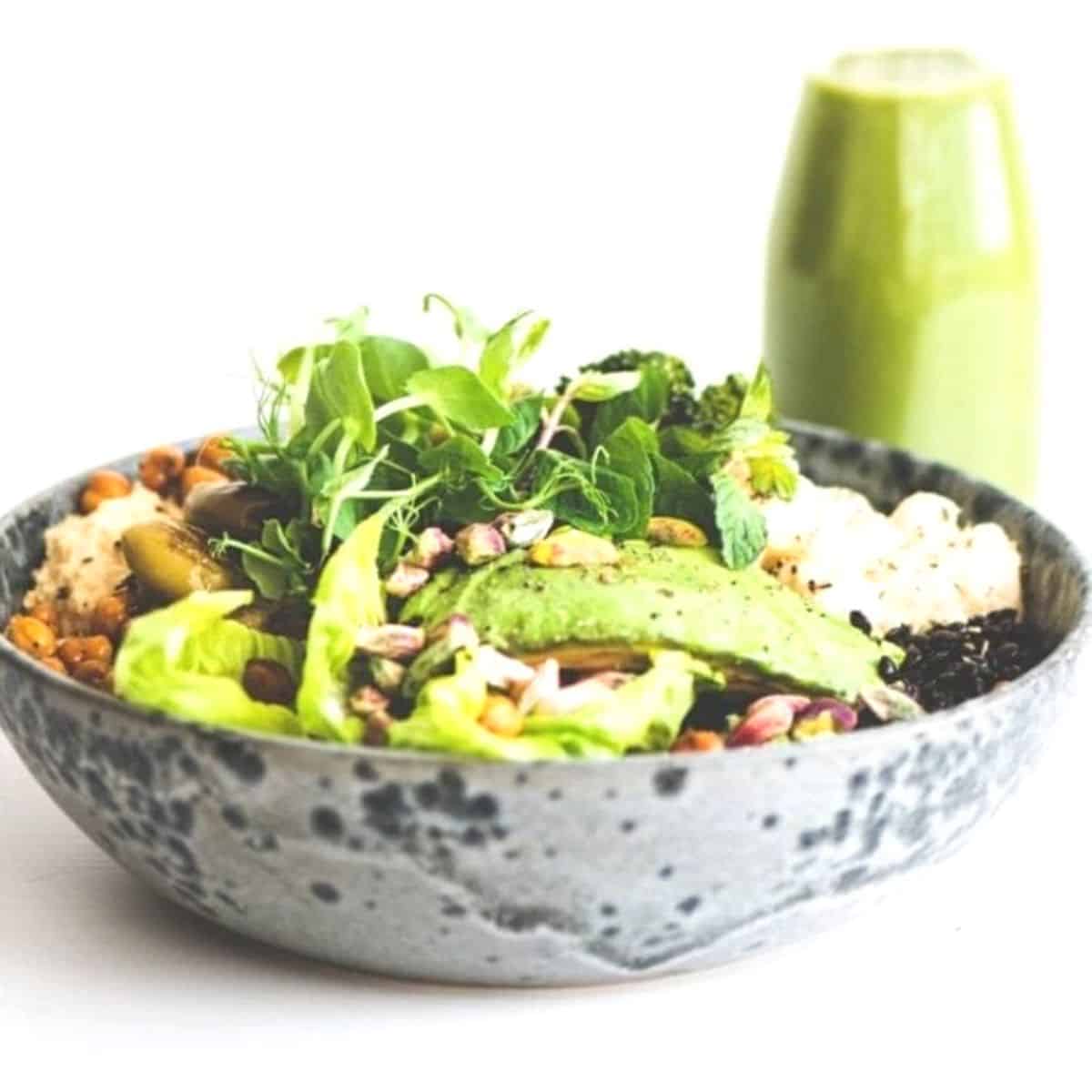
👉 Easy Recipe To Try:
Avocado Smoothie Bowl Drizzled With Cashew Cream
🥗 2. Balanced Protein Bowl (Instead Of "Light" Meals)
Why "eating light" might actually be making your bloating worse?
For a long time, I thought lighter meals were better for digestion. So I ate salads with minimal protein and very little fat... and wondered why I felt bloated, unsatisfied, and hungry shortly after.
The shift came when I started building balanced meals instead of "light" ones.
A Balanced Bowl Includes:
- Protein (chicken, turkey, salmon, or plant-based options).
- Carbohydrates (quinoa, rice, or sweet potato).
- Cooked vegetables.
- Healthy fats (olive oil, avocado).
👉 Why This Works?
- Balanced macros support digestion, metabolism, and hormone health.
- Cooked foods are easier on the gut than large amounts of raw vegetables.
- Stable blood sugar reduces stress on your digestive system.
A lot of bloating isn't just about what you eat, instead it's about meals that are incomplete or imbalanced.
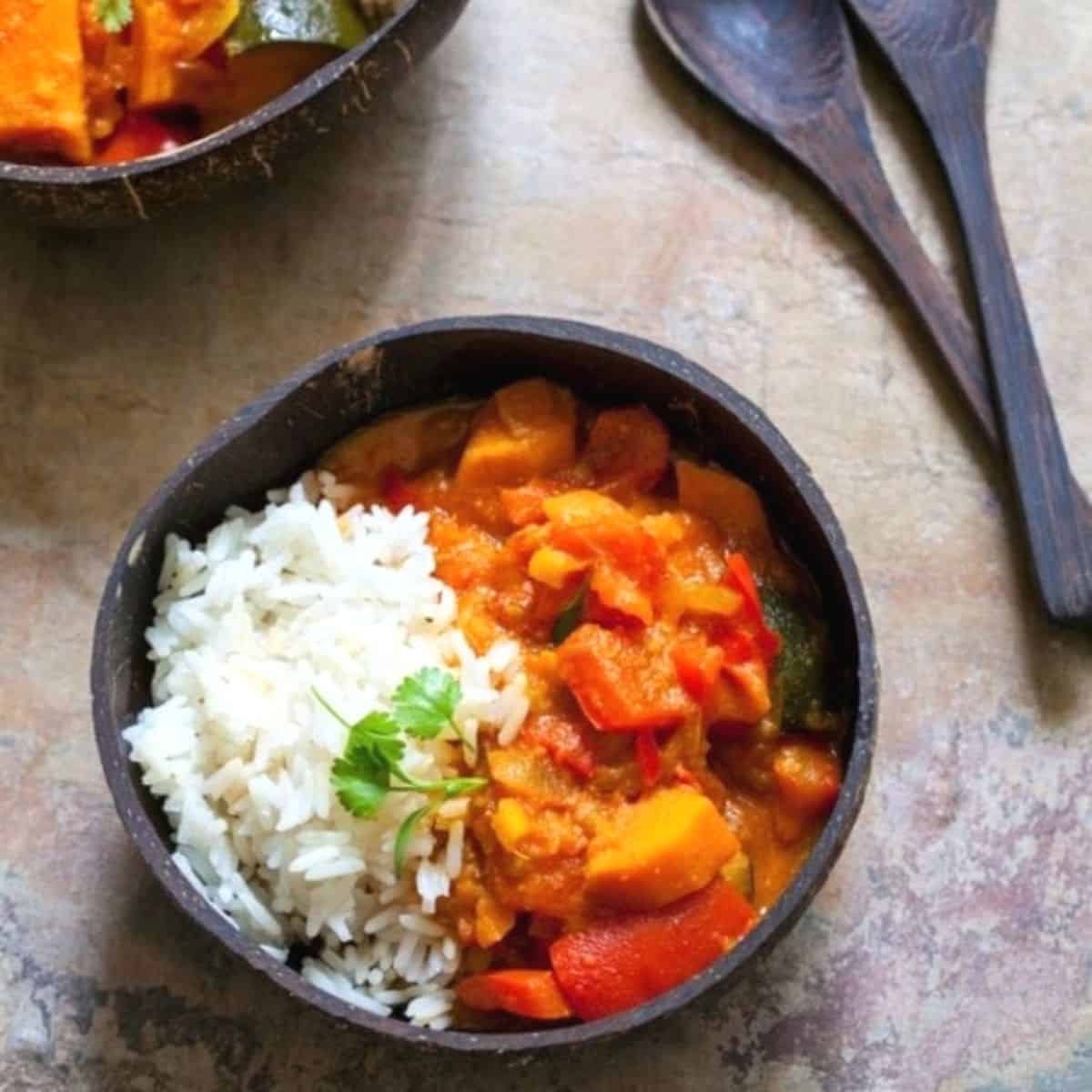
👉 Easy Recipe To Try:
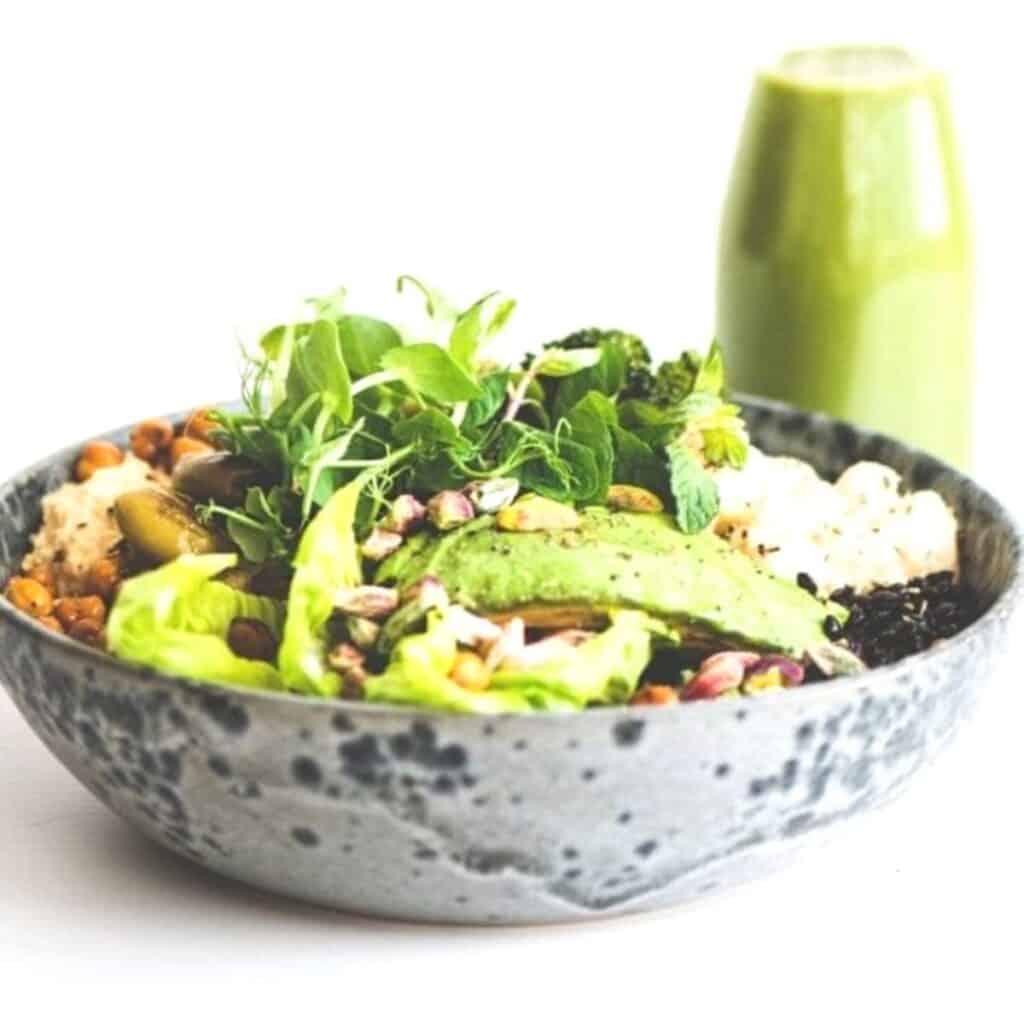
Mediterranean Style Buddha Bowl
🍲 3. Warm, Cooked Meals (Especially At Dinner)
Why your gut may need less raw food and more nourishment?
One of the biggest changes I made for my digestion was incorporating more warm, cooked meals, especially in the evening.
Think:
- Soups and stews.
- Roasted vegetables with protein.
- Simple, nourishing bowls.
👉 Why This Supports Digestion?
- Cooked foods are easier to break down than raw foods.
- Supports better nutrient absorption.
- Reduces digestive stress, especially at night.
If you're eating large raw salads for dinner and feeling bloated afterward, this could be a key factor.
Your gut often needs warmth and simplicity, not more complexity.
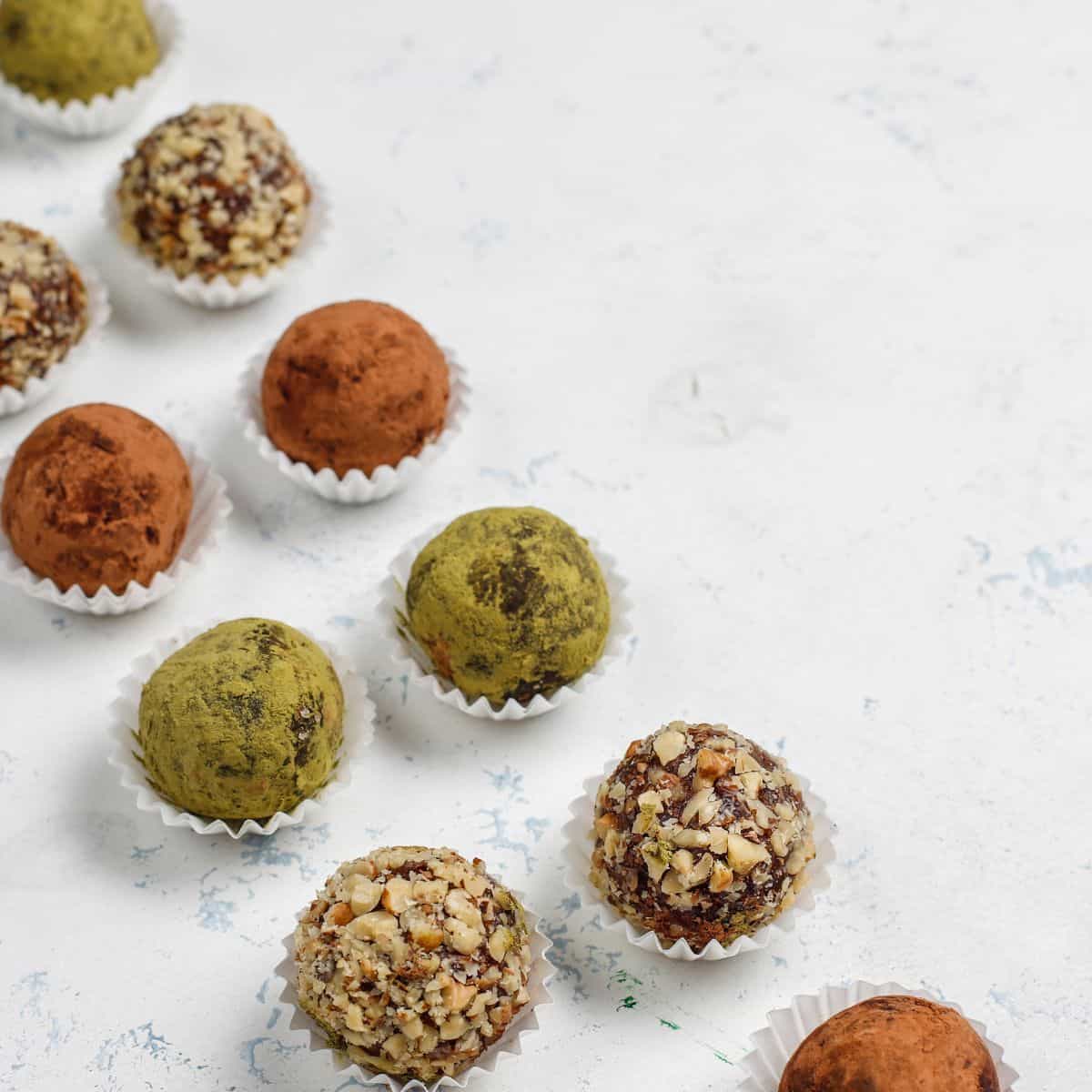
👉 Easy Recipe To Try:
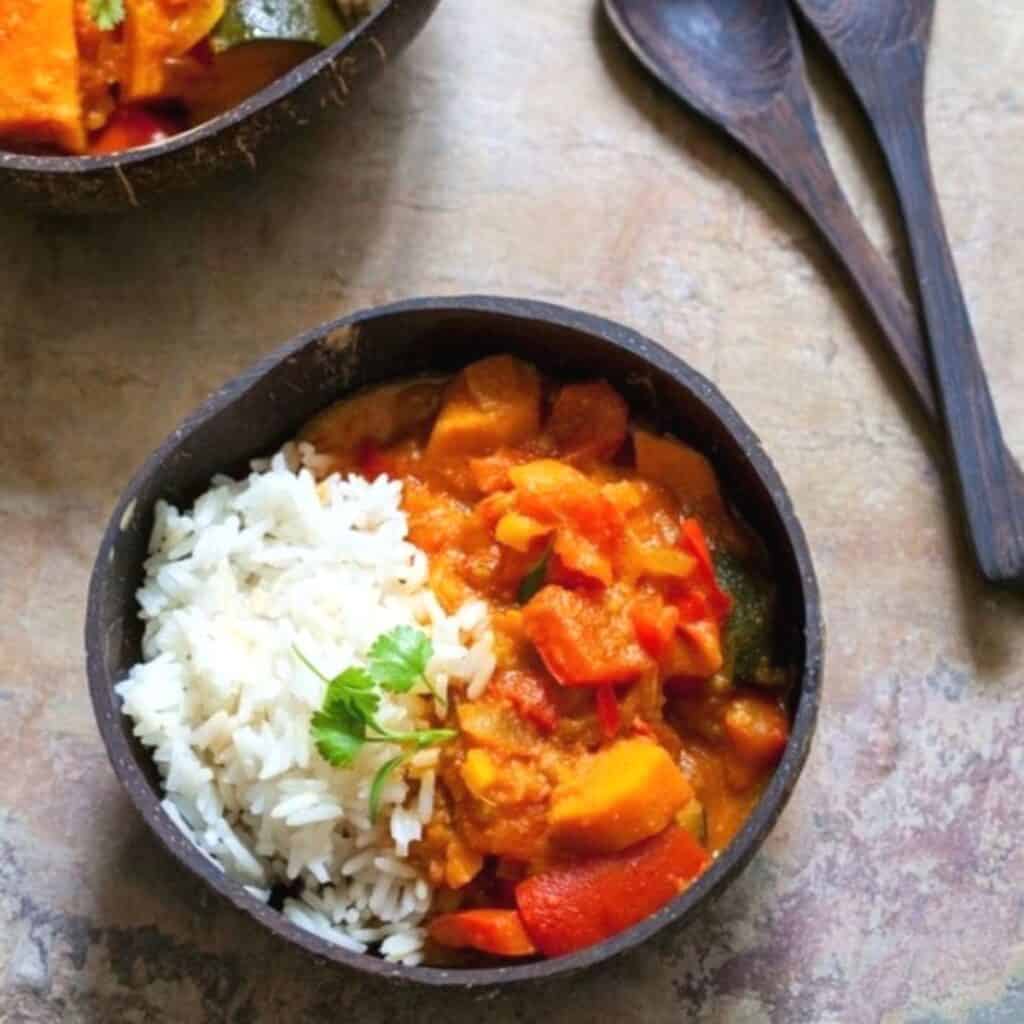
Thai Sweet Potato Red Curry Bowl
Send This To My Inbox
🍓 4. Simple, Intentional Snacks
Why constant snacking may be making bloating worse?
I used to snack all day, thinking it was "good for my metabolism." But constant grazing can overwhelm your digestive system and never give your body a chance to fully process food. Now, I approach snacks differently.
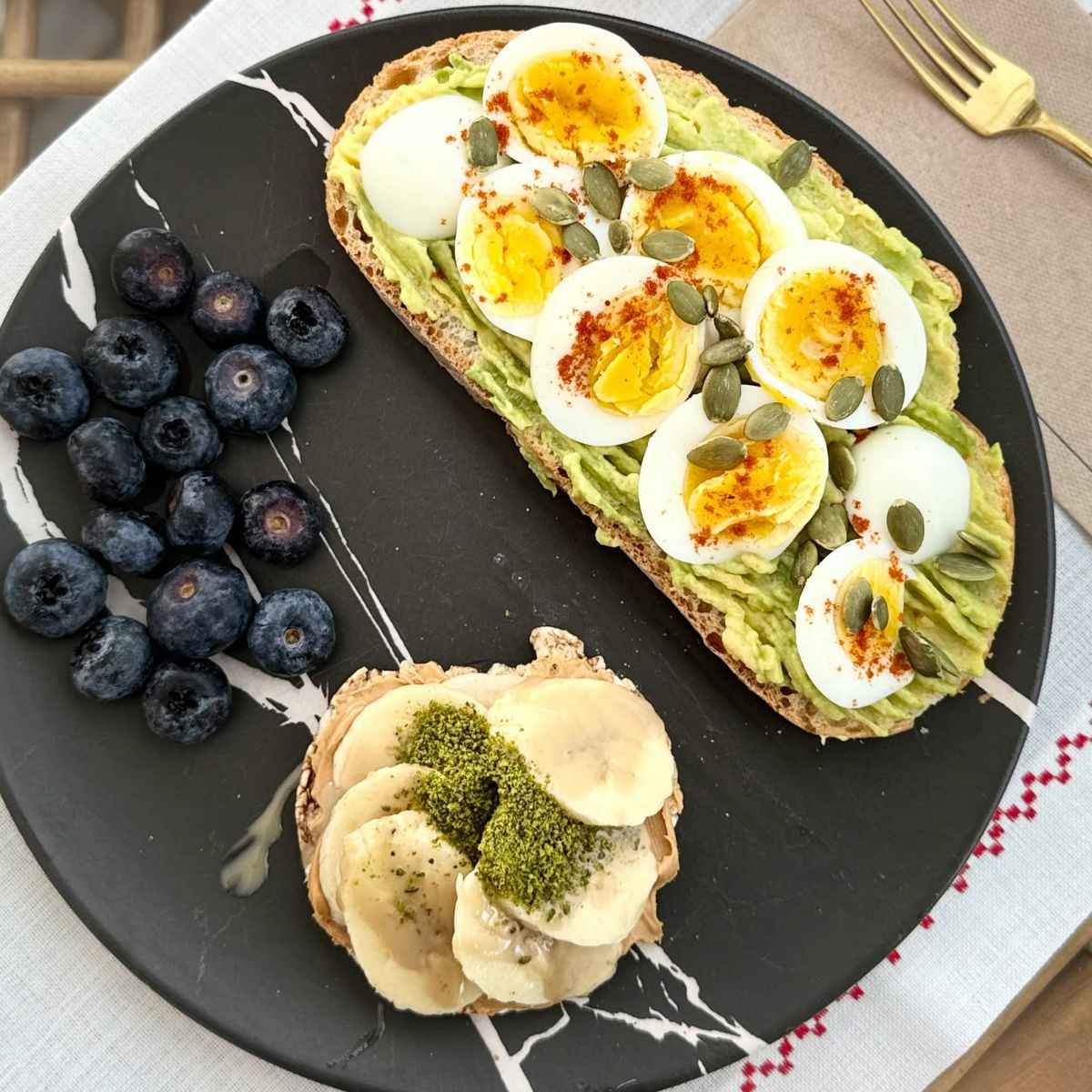
Simple Snack Ideas:
- Apple with almond butter.
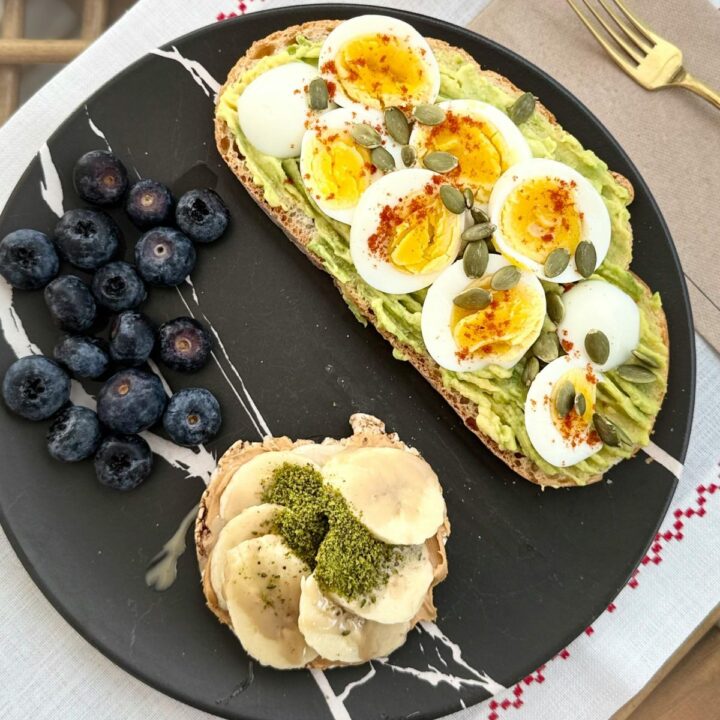
- Boiled eggs.
- Protein-based snacks.
👉 Why This Works?
- Allows your digestive system to rest between meals.
- Supports stable blood sugar.
- Prevents overeating later.
Instead of constant snacking, focus on intentional nourishment.
👉 More Ideas:
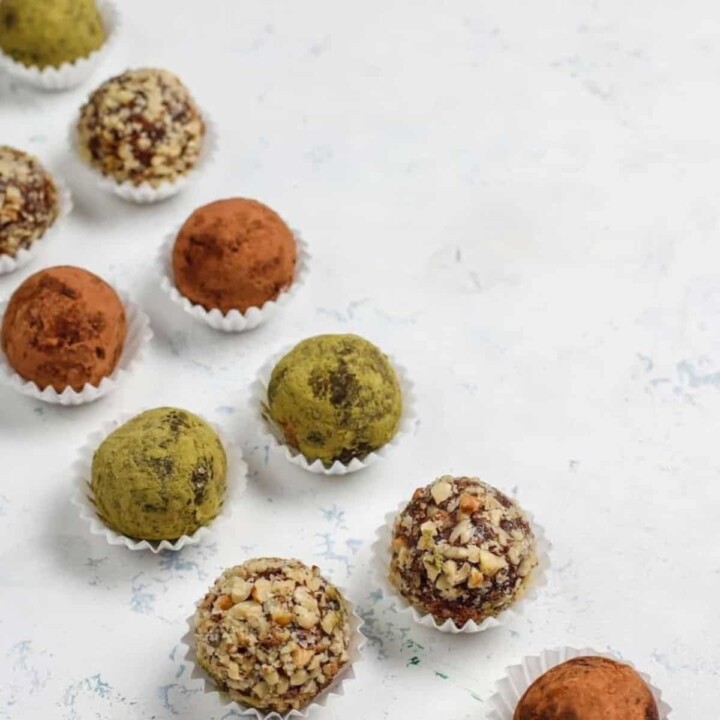
Gluten-Free Healthy Snack Ideas For Lasting Energy
🌿 What Actually Made The Difference?
It wasn't one specific food.
It was:
- Building balanced meals.
- Supporting digestion with simpler foods.
- Eating in a consistent rhythm.
- Reducing stress around food.
Because your body doesn't thrive on constant change.
👉 It thrives on consistency and support.
✨ Reducing bloating isn't about eating perfectly, instead it's about supporting your body with simple, consistent meals it can actually trust."-- Laura Villanueva, Eat Your Nutrition
✨ A More Sustainable Approach To Gut Health
This is a big part of what I teach through The Harmony Method,™ a rhythm-based approach to supporting your gut, hormones, metabolism, and overall wellness. Because your body isn't meant to be micromanaged.
It's meant to be supported.
When you shift into this approach:
- Bloating decreases.
- Digestion improves.
- Energy stabilizes.
- Food becomes less stressful.
If you've been trying to eat "perfectly" and still feel bloated, then this isn't about doing more.
It's about doing what works for your body, consistently and sustainably.
🌀 Harmony Method Tip: Build Your Balanced Rhythm Plate
At Eat Your Nutrition, we don't just focus on what you eat, instead we focus on how your meals support your body consistently throughout the day.
✨ Harmony Method™ Tip: Create A Balanced Rhythm Plate
Instead of eating random or "light" meals, focus on building balanced plates that support digestion, reduce bloating, and stabilize your energy.
Try This Simple Rhythm:
- 🥣 Start Your Day Gently - Protein + healthy fats + easy-to-digest foods (like smoothies or simple breakfasts.
- 🥗 Build Balanced Meals - Protein + carbs + healthy fats + cooked vegetables.
- 🍓 Snack With Intention - If needed, pair protein + fat instead of grazing all day.
✨ Why This Works?
This rhythm-based approach:
- Supports digestion by reducing overwhelm on your gut.
- Stabilizes blood sugar and energy levels.
- Reduces bloating by simplifying and balancing meals.
- Helps your body feel safe and supported.
💡 Think of your meals like a rhythm, not a rule.
When your body knows what to expect, digestion becomes easier, energy becomes steadier, and your gut can actually begin to heal.
🤔 ⁉️ FAQ - Common Questions Asked About Bloating & Meals
What Causes Bloating After Eating Healthy Meals?
Bloating after eating "healthy" foods is often not about the foods themselves, but how your body is digesting them.
Common causes include:
✅ Poor digestion or low stomach acid.
✅ Eating large amounts of raw vegetables.
✅ Unbalanced meals (low protein, low fat).
✅ Eating too quickly or under stress.
Supporting your digestion with balanced, simple meals can make a significant difference.
What Are The Best Foods To Reduce Bloating?
The best foods for reducing bloating are those that are easy to digest and support your gut.
Examples include:
✅ Cooked vegetables.
✅ Protein-rich foods (chicken, eggs, fish).
✅ Healthy fats (avocado, olive oil).
✅ Simple, whole carbohydrates (rice, potatoes, quinoa).
Balanced meals that include protein, fats, and carbs tend to be more supportive than restrictive diets.
Why Do I Feel Bloated After Eating Salads?
Raw vegetables can be harder for your body to break down, especially if your digestion is already compromised.
Large salads may cause bloating because:
✅ They are high in fiber but lack balance.
✅ They are harder to digest than cooked foods.
✅ They may not include enough protein or fats.
Switching to more cooked vegetables and balanced meals can help reduce bloating.
Do Smoothies Help With Digestion And Bloating?
Smoothies can support digestion when they are balanced properly.
A gut-friendly smoothie should include:
✅ Protein
✅ Healthy fats.
✅ Fiber (in moderate amounts).
Blended foods are often easier to digest, making smoothies a great option for those experiencing bloating, especially in the morning.
Is Snacking Bad For Digestion?
Snacking isn't necessarily bad, but constant grazing can overwhelm your digestive system.
When you eat frequently without breaks:
✅ Your body doesn't fully digest previous meals.
✅ Digestion becomes less efficient.
✅ Bloating may increase.
Giving your body time between meals can help improve digestion and reduce bloating.
How Can I Improve Digestion Naturally?
Improving digestion naturally starts with simple, consistent habits.
✅ Eat balanced meals (protein, fats, carbs).
✅ Focus on cooked, easy-to-digest foods.
✅ Eat in a calm, relaxed state.
✅ Avoid overeating or constant snacking.
✅ Stay consistent with your routine.
Small, supportive changes often work better than extreme diets.
How Long Does It Take To Reduce Bloating With Diet Changes?
Some people notice improvements in bloating within a few days of adjusting their meals, especially when focusing on balance and digestion.
However, long-term improvement comes from:
✅ Consistency.
✅ Supporting gut health over time.
✅ Reducing stress on the digestive system.
It's less about quick fixes and more about sustainable habits.
Do I Need To Eliminate Foods To Reduce Bloating?
Not always.
While some people may have sensitivities, bloating is often caused by:
✅ Poor digestion.
✅ Unbalanced meals.
✅ Stress
Instead of removing more foods, focusing on how you eat and how your meals are structured can often be more effective.
Want Support Building These Rhythms?
If you're ready to reduce bloating, support your digestion, and build meals that actually help your body feel good. All without restriction. Here are a few ways to go deeper.
👉 Restore Your Gut Health Fundamentals Program
👉 The Harmony Method Starter Guide
👉 Eat Your Nutrition Weekly Newsletter for simple, rhythm-based wellness support.
These resources are designed to help you move from confusion → clarity with your gut health, hormones, and daily habits.
💬 Let's Keep The Conversation Going
Your gut health journey is personal and you don't have to navigate it alone.
I'd love to hear from you 💚
✨ What's one simple meal or habit you're focusing on this week?
✨ Have you noticed certain meals help (or worsen) your bloating?
Drop a comment below or connect with me on Instagram @eatyournutrition and share your experience. Your story could be exactly what someone else needs to feel less alone in their journey.
🧡 And If You're Ready To Go Deeper...
If you're ready to move beyond trial-and-error and start supporting your body in a more consistent way.
- 🌿 Explore my programs designed to support gut, hormone, and full-body wellness.
- 📖 Want a simple plan to reset your gut? Download your free Gut Health Guide to start nourishing your body with plant diversity today.
- 🥗 Try one of my gut-nourishing recipes this week.
Because healing your gut isn't about doing everything perfectly, instead it's about building habits your body can trust.
📧 Share This Article
If this article helped you better understand how to reduce bloating and support your digestion, share it with someone who might need it. 💚
✨ Ways To Share:
- Send it to a friend who struggles with bloating or digestion.
- Share it on Pinterest or Instagram.
- Save it for later or add it to your wellness routine.
- Add it to your wellness group or community.
📌 The more we share simple, supportive approaches to wellness, the more we help others feel better in their bodies, naturally.

Comments
No Comments