



If you've been on a gut health journey for any length of time, you've probably heard the same handful of foods mentioned over and over: bone broth, kimchi, kefir, until they start to feel more like buzzwords than actual meals. I get it. Knowing what to eat is only half the battle. The real question is: how do you fit these gut healing foods into a normal week without turning your kitchen into a science lab?
🌿 ARTICLE SNAPSHOT
Article Highlights
💡 Quick Overview: Healing your gut doesn't require complicated protocols or expensive supplements. Adding a few nutrient-rich, gut-supportive foods to your weekly meals can nourish your microbiome, support digestion, and help you build healthier habits one bite at a time.
🎯 Main Topic: Five science-backed gut-healing foods and simple, practical ways to incorporate them into your everyday meals.
👥 Best For: Anyone looking to improve digestion, reduce bloating, support a healthy gut microbiome, or begin a sustainable gut health journey.
✨ You'll Learn:
- Why bone broth, fermented foods, ginger, flaxseed, and resistant starch support gut health?
- Simple ways to add these foods into your meals without extra work.
- How nourishing your gut microbiome can support digestion, immunity, and overall wellness?
- Why consistency, not perfection, is the key to long-term gut healing?
🌱 Why It Matters: Gut health is built through small, intentional choices repeated over time. Incorporating a variety of gut-friendly foods into your weekly routine helps nourish beneficial bacteria, support your gut lining, and create a strong foundation for lasting digestive health.
Jump to:
- Article Highlights
- 🥣 1. Bone Broth
- 🥬 2. Fermented Vegetables (Sauerkraut, Kimchi)
- 🫚 3. Ginger
- 🌱 4. Ground Flaxseed
- 🥔 5. Cooked and Cooled Potatoes (or Rice)
- 🌀 The Harmony Method™ Perspective
- 🤔 FAQ - Common Questions Asked About Gut Healing Foods
- Didn't find the answer you're looking for?
- A Gentle Reminder
- Want Support Adding These Foods Into Your Everyday Routine?
- 💬 Let's Keep The Conversation Going: Your Gut-Healing Food Wins
- 📧 Share This Article
- 📚 References
- 💬 Comments
Below are five of my go-to gut-healing foods, why they work, and, most importantly, simple, no-fuss ways to actually eat them.
Healing your gut isn't about following a perfect protocol. It's about learning which foods make you feel nourished, one meal at a time. That's the approach I use with every client, and it's the same one I use in my own kitchen.
--- Laura Villanueva, Eat Your Nutrition
🥣 1. Bone Broth
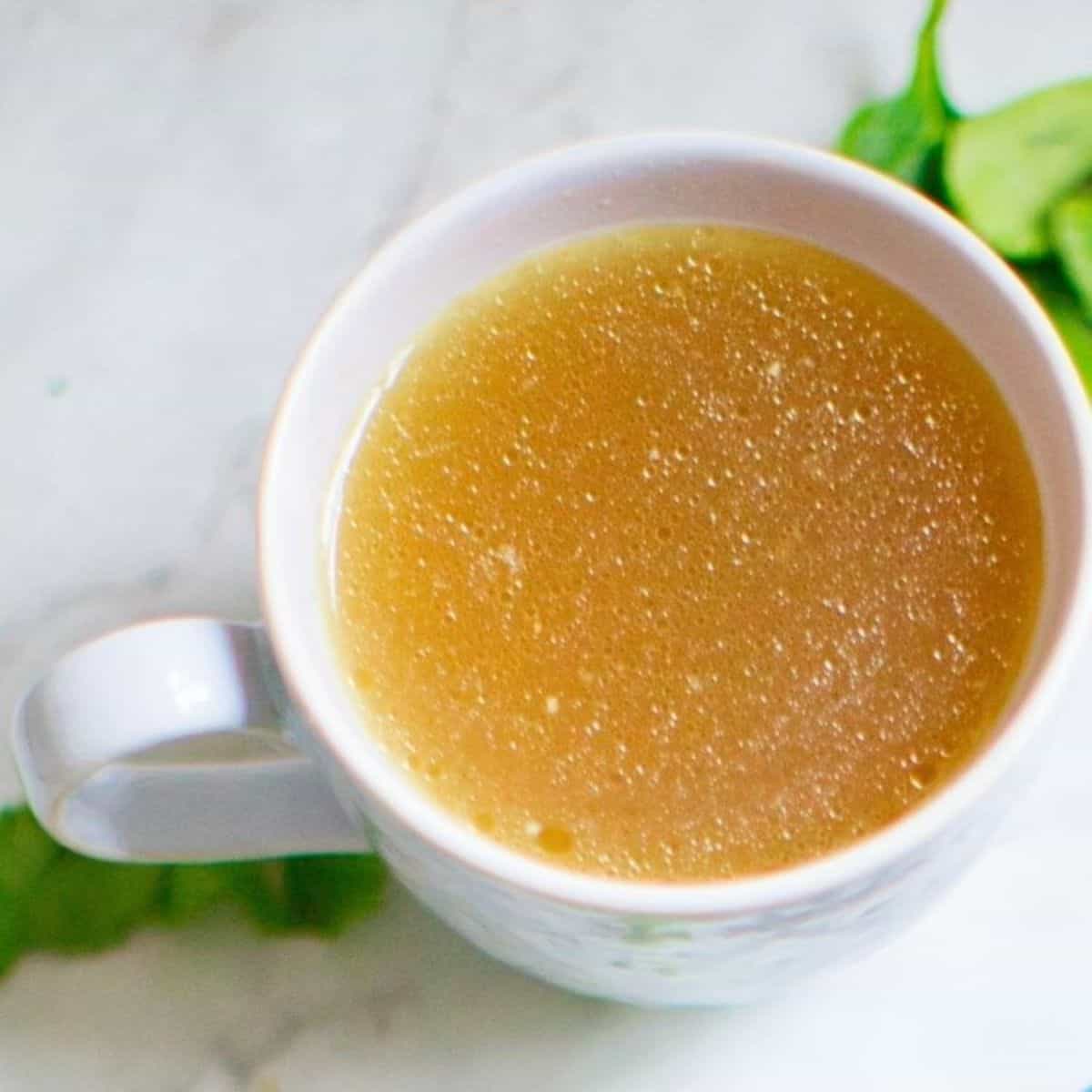
Bone broth is rich in collagen, gelatin, and amino acids like glutamine, which may help support and repair the lining of your gut. Think of your gut lining like a screen door. When the "mesh" gets worn down (often called increased intestinal permeability, or "leaky gut"), things can slip through that shouldn't, which may contribute to bloating, food sensitivities, and inflammation. Glutamine-rich foods like bone broth are thought to help support that barrier.
How to use it: Skip sipping it plain if that's not your thing. Use bone broth as your base for soups, cook your rice or quinoa in it instead of water, or add a splash to sautéed veggies for extra flavor and nutrients. Try my anti-inflammatory bone broth recipe.
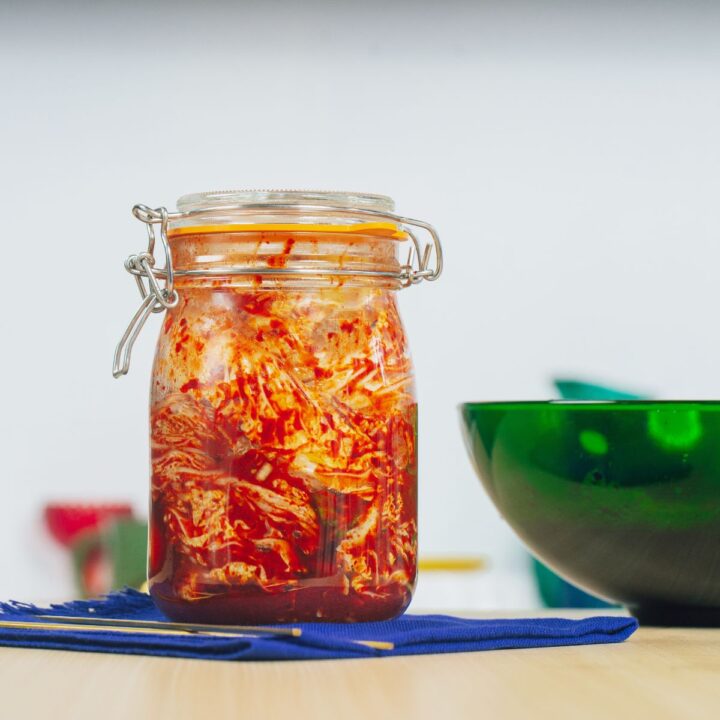
🥬 2. Fermented Vegetables (Sauerkraut, Kimchi)
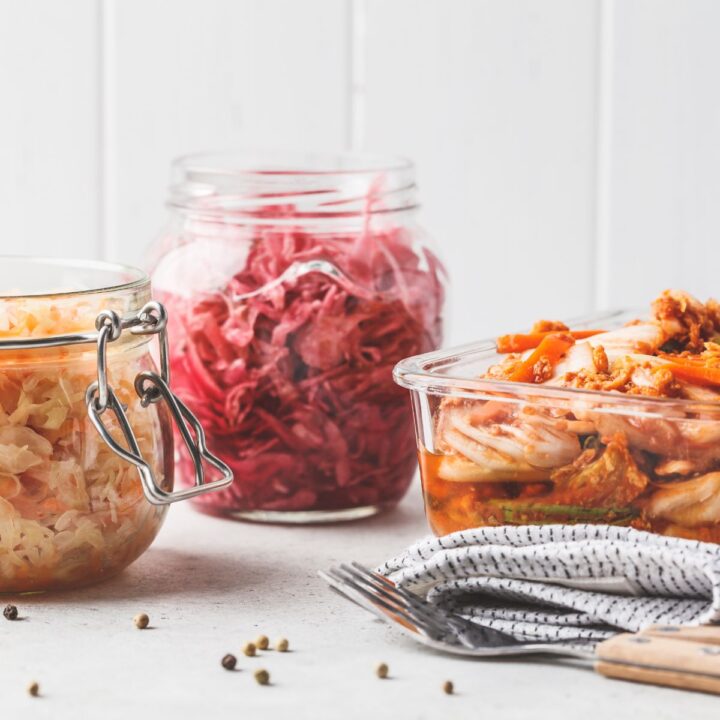
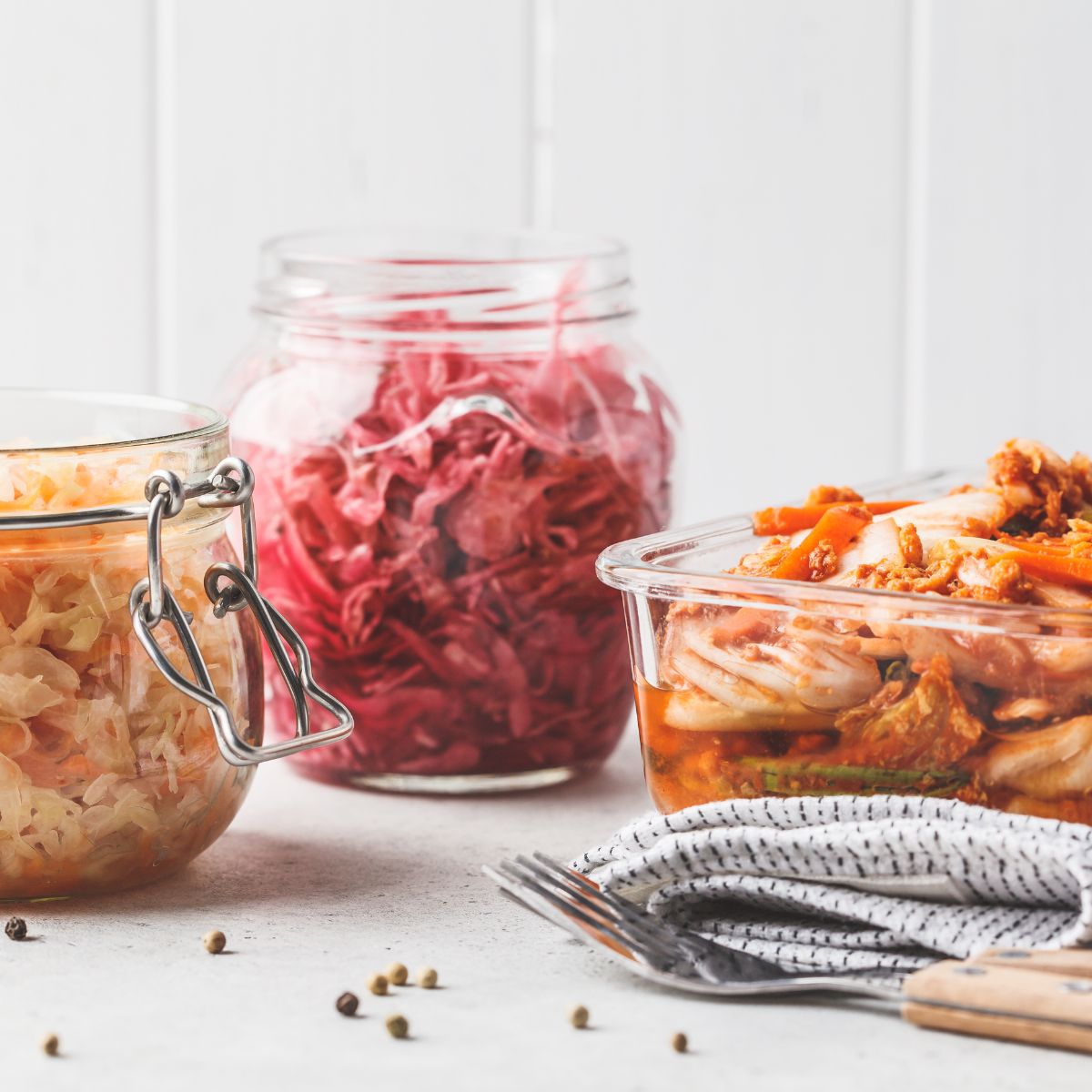
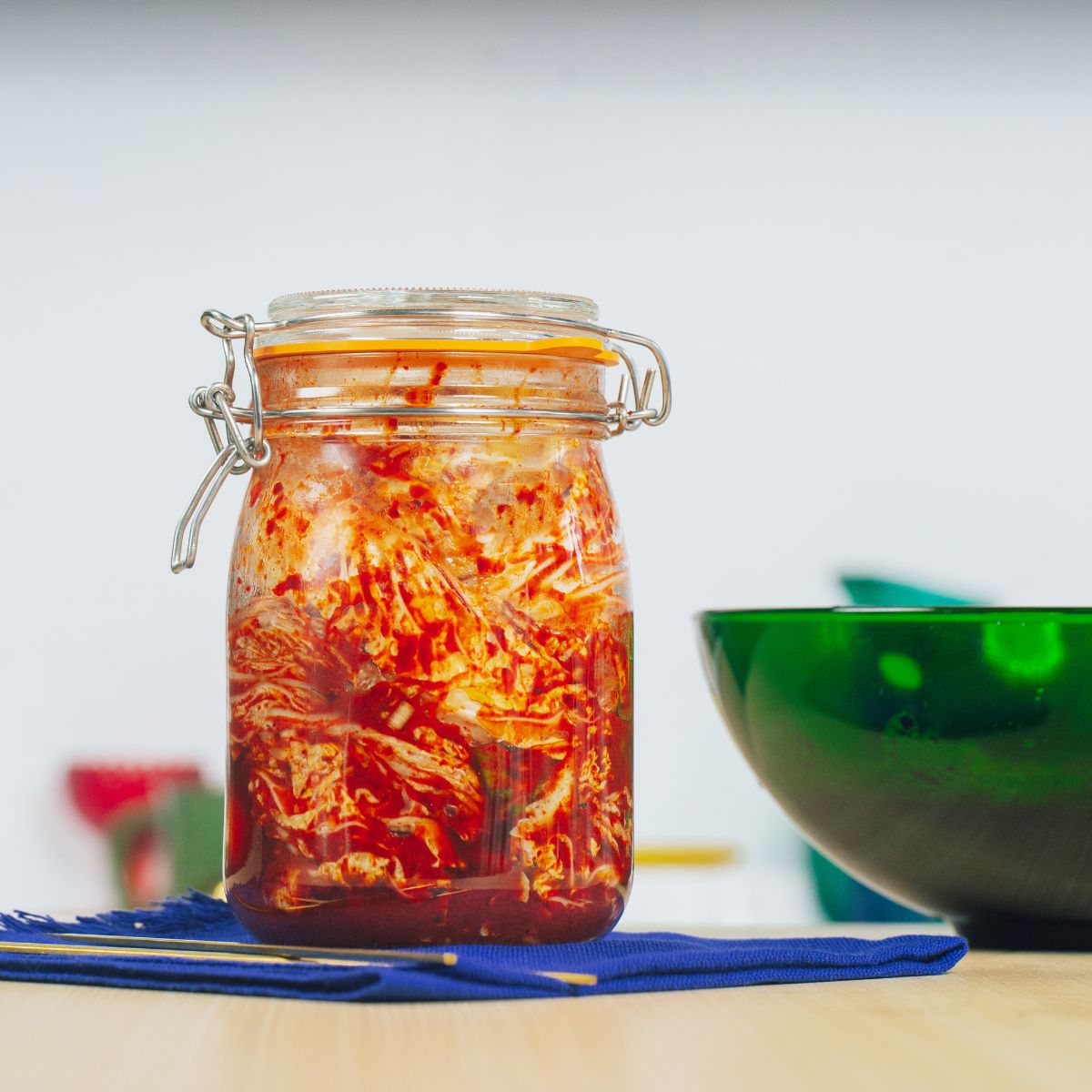
Fermented foods are naturally rich in probiotics, the beneficial bacteria that help keep your gut microbiome balanced. A diverse, well-fed microbiome is linked to better digestion, a stronger immune system, and even mood regulation, since so much serotonin production happens in the gut.
How to use it: Start small. A forkful (about 1 to 2 tablespoons) alongside a meal is plenty to start introducing new bacteria without overwhelming your system. Add sauerkraut to a grain bowl, or spoon kimchi over eggs at breakfast.
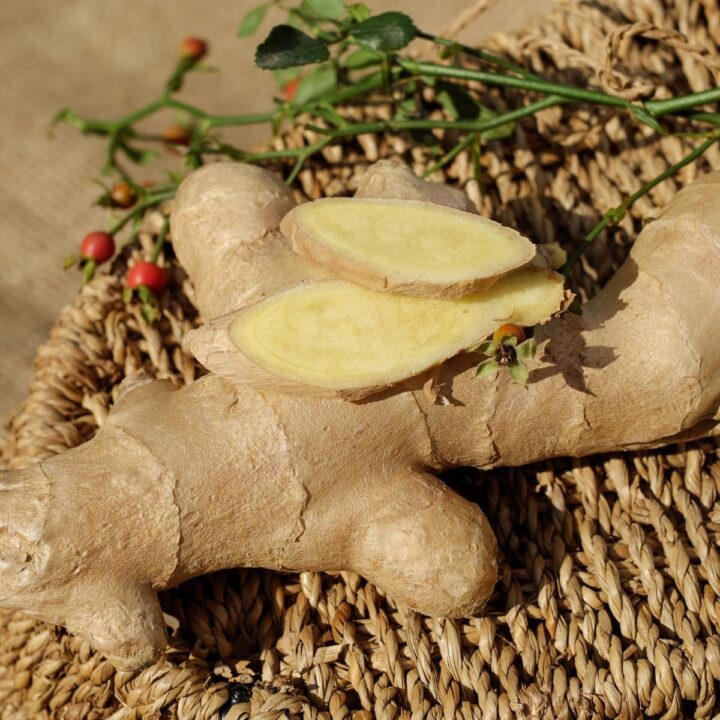
🫚 3. Ginger
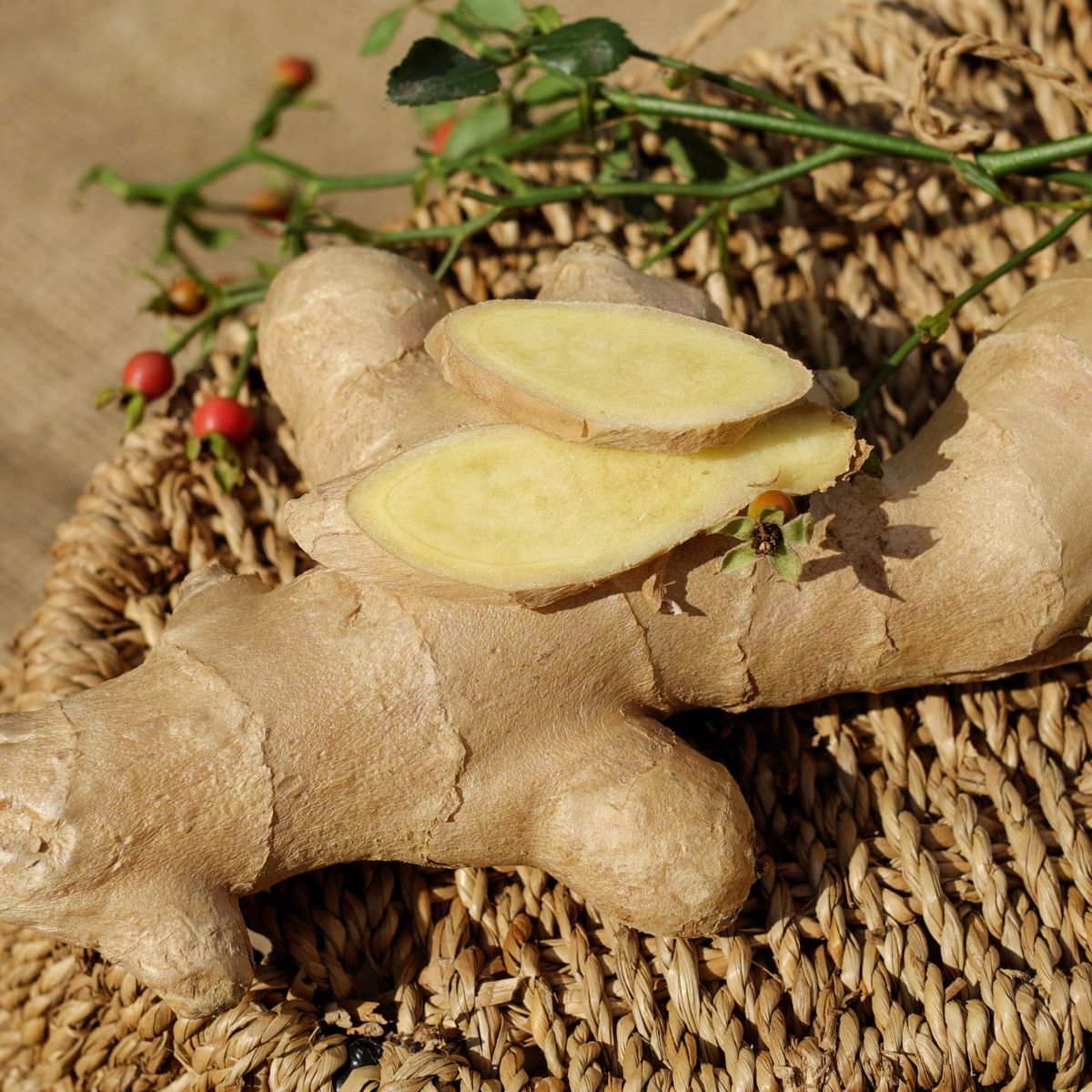
Ginger has long been used to calm an upset stomach, and for good reason: it may help speed up gastric emptying and ease nausea, bloating, and general digestive discomfort. It also has anti-inflammatory properties that can be soothing if your gut is feeling reactive.
How to use it: Grate fresh ginger into a mug of hot water for a simple tea, whisk it into salad dressings, or add a thumb-sized piece to smoothies for a gentle kick. You can also try my ginger shot recipe.
🌱 4. Ground Flaxseed
Flaxseed is a great source of soluble fiber, which acts like a gentle broom for your digestive tract, and it also contains omega-3 fatty acids that may help calm inflammation. Fiber feeds the good bacteria in your gut, so it's less about "cleansing" and more about nourishing the ecosystem already in there.
How to use it: Always opt for ground (not whole) flaxseed so your body can actually absorb the nutrients. Stir a tablespoon into oatmeal, yogurt, or a smoothie. It's flavor-neutral, so it blends into almost anything.
🥔 5. Cooked and Cooled Potatoes (or Rice)
This one surprises people. When starchy foods like potatoes or rice are cooked and then cooled, some of their starch converts into resistant starch, a type of fiber that resists digestion in the small intestine and instead ferments in the large intestine, feeding beneficial bacteria and supporting the production of short-chain fatty acids like butyrate, which help nourish your gut lining.
How to use it: Make a big batch of potatoes or rice, let it cool in the fridge overnight, and use it in salads or reheat it gently the next day. The resistant starch holds up even after reheating.
🌀 The Harmony Method™ Perspective
One of the core principles of The Harmony Method™ is that lasting gut health isn't built through perfection, instead it's built through rhythm.
It's easy to believe that healing your gut requires tracking every ingredient, cutting out entire food groups, or finding the one "miracle" food that fixes everything. While there are times when a more targeted, therapeutic approach may be appropriate, most people see far more progress from consistently including gut-supportive foods than from chasing the latest trend.
That's why I encourage starting with habits that feel realistic enough to become part of your everyday life.
- Adding one gut-healing food to a meal you already eat.
- Slowing down and actually chewing your food.
- Staying hydrated throughout the day.
- Eating a variety of colors and fibers each week.
- Noticing how different foods make you feel.
- Giving your body grace when a meal doesn't go as planned.
None of these habits are revolutionary on their own. Their power comes from practicing them consistently.
🤔 FAQ - Common Questions Asked About Gut Healing Foods
Here are answers to a few common questions about adding these gut-healing foods to your routine.
How long does it take to see results fromm eating gut-healing foods?
Everyone's gut is different, but many people start noticing small changes, like less bloating or more regular digestion, within a few weeks of consistently adding these foods to their routine. Deeper healing, especially if your gut lining has been compromised for a while, can take a few months of steady effort.
Do I need to eat all five of these foods every day?
No. Start with one or two that feel realistic for your schedule and taste preferences. Consistency with a couple of foods will do far more for your gut than sporadically trying to check every box.
Can I eat these foods if I have IBS or a sensitive stomach?
Many of these foods are gentle and well-tolerated, but everyone's triggers are different. Fermented foods and resistant starches in particular can cause temporary bloating or gas in some people as your gut adjusts. Start with small portions and pay attention to how your body responds.
Is store-bought bone broth or sauerkraut still beneficial?
Yes, as long as you're choosing quality options. Look for bone broth without a lot of added fillers or sodium, and sauerkraut or kimchi that's labeled "raw" or "unpasteurized" so the live probiotics are still intact.
What if a food on this list doesn't agree with me?
That's valuable information, not a failure. Everybody's gut is different. If something consistently causes discomfort, set it aside and focus on the foods that do work for you, or reach out for personalized guidance.
Didn't find the answer you're looking for?
Ask AI to answer based on this specific post:
🦠Gut Health Reset Meal Plan

If you've been feeling bloated, tired, or unsure what to eat for your gut… you're not alone. Knowing what to eat can feel overwhelming, but it doesn't have to be.
Nourish Your Gut, Simplify Your Meals, And Feel Better Daily
Send This To My Inbox
A Gentle Reminder
Gut healing isn't about perfection or adding twenty new foods overnight. It's about consistency and listening to your body. If a new food causes bloating or discomfort, that's useful information, not a failure. Start with one or two of these foods this week, notice how you feel, and build from there.
Your gut didn't get out of balance overnight, and it won't heal overnight either, but small, steady changes add up to real, lasting results.
Want Support Adding These Foods Into Your Everyday Routine?
If you're ready to support your digestion, reduce bloating, and build a gut-friendly way of eating without restrictive rules or an all-or-nothing mindset, explore these resources designed to help you create lasting change.
👉 Restore Your Gut Health Fundamentals Program
👉 The Harmony Method Starter Guide
👉 Eat Your Nutrition Weekly Newsletter for practical, rhythm-based wellness tips, nourishing recipes, and realistic healthy habits delivered to your inbox.
Healing your gut doesn't require a perfect diet. It starts with small, consistent food choices that support your digestion every day.
Whether you're sipping bone broth, adding a forkful of sauerkraut to lunch, or letting your rice cool overnight, each gut-healing food is another step toward a stronger, more resilient digestive system.
You don't have to figure this out alone. I'm here to help you build a way of eating that actually lasts.
💬 Let's Keep The Conversation Going: Your Gut-Healing Food Wins
Your gut health isn't determined by one meal, one supplement, or one "perfect" day. It's shaped by the foods you choose to include, consistently, over time.
The beauty of these five foods is that you don't have to add them all today. Pick the one that feels the most doable for your current routine, practice it until it becomes second nature, then build from there. Those small wins add up.
I'd love to hear from you. 💚
- Which gut-healing food from this list are you most excited to try?
- Have you already noticed a difference from any of these in your own routine?
Drop a comment below or connect with me on Instagram @eatyournutrition and share your journey. Your experience may inspire someone else to start nourishing their gut, too.
And if you're ready to take the next step...
- 🌿 Explore my nutrition programs designed to support gut health, hormone balance, metabolic wellness, and whole-body nourishment.
- 📖 Download your free Gut Health Guide to start building sustainable wellness habits.
- 🥗 Browse my collection gut-friendly recipes made with wholesome, nourishing ingredients the entire family can enjoy.
Remember, gut healing isn't about perfection. It's about consistency, nourishment, and creating daily rhythms your body can trust.
I'm honored to be part of your wellness journey and look forward to helping you every step of the way.
📧 Share This Article
If you found these gut-healing foods helpful, consider sharing this article with someone who wants to improve their digestion, feel less bloated, or add more nourishing foods to their week. 💚
✨ Ways To Share:
- Send it to a friend or family member looking to improve their gut health naturally.
- Share it on Pinterest, Facebook, or Instagram, or your favorite social platform.
- Add it to your wellness community, workplace wellness program, or health-focused Facebook group.
📌 Every shared article helps spread evidence-informed nutrition education and encourages others to take small, meaningful steps toward better digestive health.
📚 References
The information in this article is based on current nutrition research related to gut healing foods, the gut microbiome, intestinal permeability, fermented foods, and digestive wellness.
- Nikkhah Bodagh, M., Maleki, I., & Hekmatdoost, A. (2019). Ginger in gastrointestinal disorders: A systematic review of clinical trials. Food Science & Nutrition.
- Wastyk, H. C., Fragiadakis, G. K., Perelman, D., et al. (2021). Gut-microbiota-targeted diets modulate human immune status. Cell.
- Zuhl, M. N., et al. (2014). Effects of oral glutamine supplementation on exercise-induced gastrointestinal permeability and tight junction protein expression. Journal of Applied Physiology.
- Bindels, L. B., Walter, J., & Ramer-Tait, A. E. (2015). Resistant starches for the management of metabolic diseases. Current Opinion in Clinical Nutrition & Metabolic Care.
- Cronin, P., Joyce, S. A., O'Toole, P. W., & O'Connor, E. M. (2021). Dietary Fibre Modulates the Gut Microbiota. Nutrients.
- Hills, R. D., Pontefract, B. A., Mishcon, H. R., Black, C. A., Sutton, S. C., & Theberge, C. R. (2019). Gut Microbiome: Profound Implications for Diet and Disease. Nutrients.
👉Improving your gut health is not about one food, one supplement, or one perfect day of eating. Research shows that combining gut-supportive foods like bone broth, fermented vegetables, ginger, flaxseed, and resistant starch, alongside staying hydrated and managing stress, helps support a healthy digestive system and a diverse gut microbiome over time. These small choices, practiced consistently, create the foundation for lasting wellness.


Comments
No Comments