







Healthy digestion doesn't come from one perfect food or supplement. Instead, it's built through daily habits for gut health that nourish your microbiome, support digestion, and work with your body's natural rhythms.
From eating nutrient-rich foods to prioritizing sleep, hydration, movement, and stress management, these 15 simple habits can help you improve your gut health naturally and create lasting wellness.
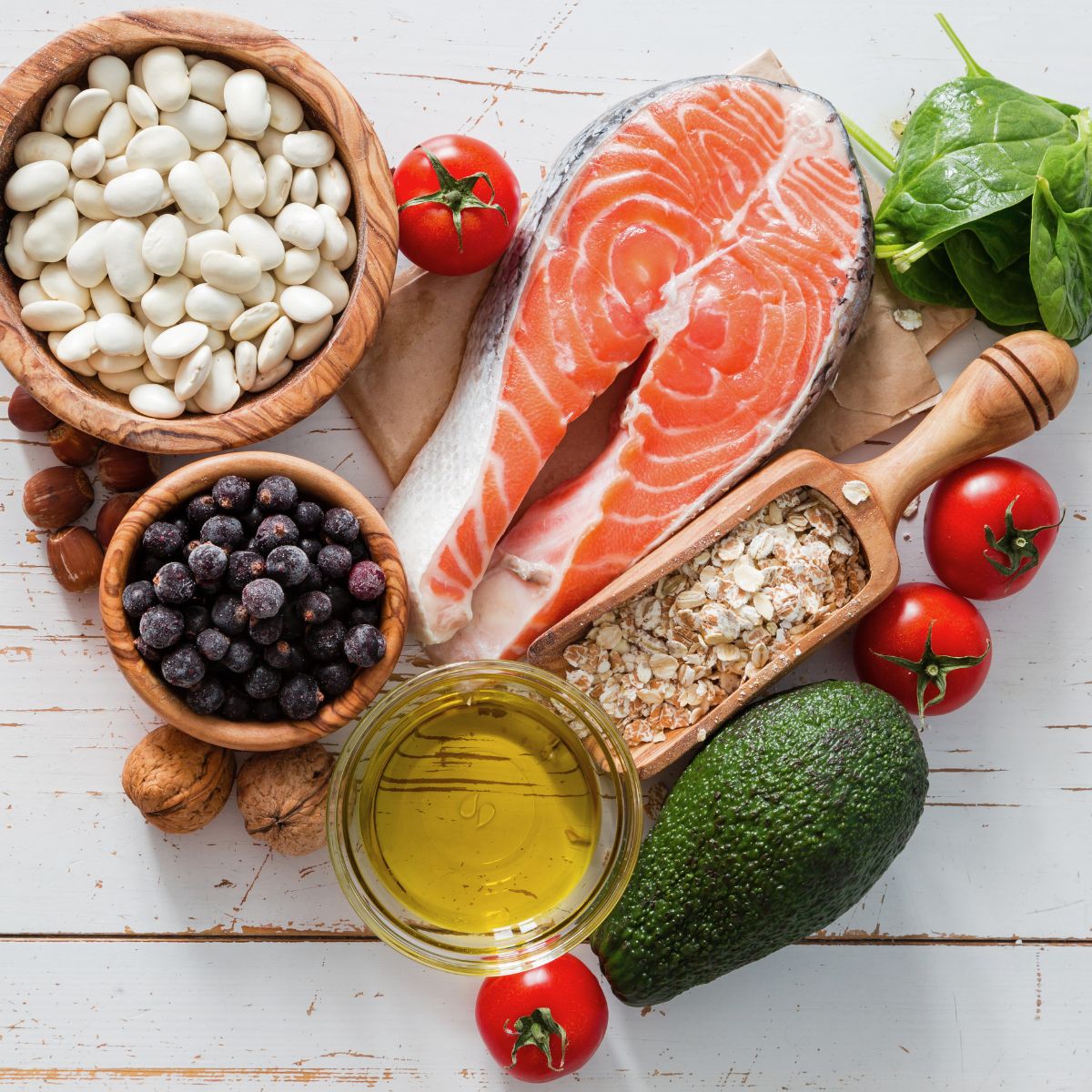
🌿 ARTICLE SNAPSHOT
Article Highlights
💡 Quick Overview: Healthy digestion isn't built through one "superfood" or supplement. It's the result of small, consistent daily habits that nourish your gut microbiome, support digestion, reduce inflammation, and help your body thrive.
🎯 Main Topic: Daily habits that naturally support gut health, digestion, and overall wellness.
👥 Best For: Anyone looking to improve digestion, reduce bloating, strengthen their gut microbiome, and build healthier daily habits.
✨ You'll Learn:
- 15 simple daily habits that support better gut health.
- How hydration, sleep, movement, and stress influence digestion.
- Easy ways to nourish your gut microbiome naturally.
- Practical tips to create lasting wellness habits without perfection.
🌱 Why It Matters: Your gut health influences far more than digestion. Building healthy daily habits can support your energy, immune system, mood, skin health, and overall well-being. One small choice at a time.
Jump to:
- Article Highlights
- 😉 15 Daily Habits for Gut Health That Improve Digestion Naturally
- ❓ Why Daily Habits Matter for Gut Health
- 🌿 Why Consistency Is the Secret to Better Gut Health?
- 🦠 15 Daily Habits for Gut Health
- 5. Take a Short Walk After Meals
- 🌀 The Harmony Method™ Perspective
- 🤔 FAQ - Common Questions Asked About Digestive Health Habits
- 🥗 Nourish Your Gut Every Day
- Didn't find the answer you're looking for?
- 💬 Let's Keep The Conversation Going: Daily Habits for Gut Health
- 📧 Share This Article
- 📚 References
- 💬 Comments
😉 15 Daily Habits for Gut Health That Improve Digestion Naturally
While certain supplements and therapeutic protocols can absolutely play a role for some individuals, the foundation of a healthy gut is usually much simpler.
It comes down to the small habits you repeat every single day.
Your digestive system is constantly responding to your lifestyle. Every meal you eat, every glass of water you drink, every hour of sleep you get, and every stressful moment you experience sends signals to your gut. Over time, those daily choices shape the health of your digestive system and the trillions of microorganisms that make up your gut microbiome.
As a nutritional therapy pracitioner (NTP), with a Bachelor of Science in Nutrition Science, I've found that sustainable wellness rarely comes from dramatic changes. Instead, it's built through realistic habits that support your body consistently over time.
That's encouraging news because many of the most effective gut-friendly habits don't require expensive products or a complete lifestyle overhaul. They simply require consistency.
Whether you're dealing with occasional bloating, sluggish digestion, low energy, or you're simply looking to support your overall wellness, these everyday habits can help nourish your gut naturally.
❓ Why Daily Habits Matter for Gut Health
Your gut is about so much more than digestion.
The gastrointestinal tract influences immune function, nutrient absorption, hormone balance, metabolism, inflammation, skin health, and even communication with your brain through what's known as the gut-brain axis.
Research continues to show that the health of your gut microbiome plays an important role in many aspects of overall wellness. While genetics certainly contribute to your health, lifestyle factors have a significant influence on the composition and diversity of your gut bacteria.
The encouraging part is that many of these lifestyle factors are within your control.
Every nutritious meal, every walk after dinner, every stress-reducing practice, and every good night's sleep is another opportunity to support your digestive system.
Rather than chasing perfection, focus on building habits that become part of your daily rhythm.
Small improvements practiced consistently often produce greater long-term results than short periods of extreme effort followed by burnout.
🌿 Why Consistency Is the Secret to Better Gut Health?
When it comes to improving your gut health, consistency matters far more than perfection.
Many people believe they need to completely overhaul their diet overnight or follow a strict gut-healing protocol to see results. In reality, your digestive system responds best to the habits you practice day after day. Not the occasional "perfect" meal or week-long cleanse.
Every choice you make throughout the day can influence your digestive health. Drinking enough water, eating fiber-rich foods, managing stress, moving your body, and getting quality sleep all work together to support healthy digestion. While each habit may seem small on its own, their combined effect over weeks and months can have a meaningful impact on your overall well-being.
Think of your gut health like tending a garden. You wouldn't expect a single day of watering to produce a thriving garden, and you also wouldn't assume one missed day would ruin it. Healthy plants grow because they're cared for consistently. Your digestive system works much the same way.
This is why I encourage my clients to focus on building sustainable routines instead of chasing quick fixes. Small, realistic habits are easier to maintain, and they're often what lead to the greatest long-term improvements.
Whether you're trying to reduce bloating, support regular digestion, increase your energy, or simply feel your best, the goal isn't to do everything perfectly. The goal is to create a daily rhythm that supports your gut one healthy choice at a time.
The 15 habits below are simple, practical, and backed by healthy lifestyle principles that can help nourish your digestive system naturally. You don't have to start all of them today. Choose one or two that fit your lifestyle, practice them consistently, and build from there.

🦠 15 Daily Habits for Gut Health
1. Drink Water Before Your Morning Coffee
After several hours of sleep, your body naturally wakes up in a mildly dehydrated state.
Drinking a large glass of water shortly after waking helps replenish fluids and supports normal digestive function before the day begins.
Hydration also helps fiber move through the digestive tract and supports regular bowel movements.
If you're someone who immediately reaches for coffee, consider making water your first drink instead. Even one simple change like this can help establish a healthier morning routine.
Aim for approximately 16 to 20 ounces of water before your first cup of coffee.
2. Eat More Fiber Throughout the Day
Fiber is one of the most important nutrients for digestive health.
Unlike many nutrients that are absorbed by the body, certain types of fiber travel to the colon where they serve as food for beneficial gut bacteria.
This process helps produce compounds called short-chain fatty acids, which support the health of the intestinal lining and contribute to overall digestive wellness.
Excellent sources of fiber include:
- Berries
- Apples
- Pears
- Broccoli
- Brussels Sprouts
- Sweet Potatoes
- Lentils
- Chickpeas
- Chia Seeds
- Ground Flaxseed
- Oats (if tolerated)
If your current fiber intake is low, increase it gradually while also increasing your water intake to help minimize digestive discomfort.
3. Prioritize Protein at Every Meal
Protein isn't only important for maintaining muscle mass.
Including quality protein with meals also supports balanced blood sugar, helps promote satiety, and creates more balanced meals overall.
When meals consist primarily of refined carbohydrates, energy levels can fluctuate more dramatically throughout the day. Building balanced meals that include protein, healthy fats, fiber-rich carbohydrates, and colorful vegetables supports both digestive and metabolic health.
Examples include:
- Eggs with sautéed vegetables.
- Greek yogurt with berries and chia seeds.
- Grilled chicken with roasted vegetables.
- Salmon with sweet potatoes.
- Lentil soup paired with a side salad.
The goal isn't perfection, it's consistency.
4. Slow Down While You Eat
Modern life often encourages eating while driving, working, scrolling through our phones, or rushing between appointments.
Unfortunately, eating too quickly may contribute to digestive discomfort for some people.
Taking time to chew thoroughly allows the digestive process to begin properly and gives your body an opportunity to recognize fullness.
Simple ways to slow down include:
- Sitting at a table.
- Taking smaller bites.
- Putting your fork down between bites.
- Limiting distractions during meals.
- Practicing gratitude before eating.
Mindful eating doesn't require perfection. Even slowing down by a few minutes can help create a more relaxed eating experience.
5. Take a Short Walk After Meals
Movement is another simple habit that supports overall digestive health.
A brief walk after meals may help encourage digestion, support healthy blood sugar regulation, and reduce feelings of sluggishness after eating.
You don't need to spend an hour exercising.
Even five to ten minutes of gentle walking after lunch or dinner can become a sustainable part of your daily routine.
If the weather isn't ideal, walking around your home or climbing stairs for a few minutes can provide similar benefits.
One of the best forms of movement is simply the one you'll actually do consistently.
6. Eat More Fermented Foods
Fermented foods have been enjoyed in cultures around the world for centuries, and for good reason. These foods naturally contain beneficial microorganisms created during the fermentation process, making them a flavorful way to support a healthy eating pattern.
While not everyone needs to eat fermented foods every day, including them regularly may help increase the variety of beneficial bacteria in your digestive tract. The key is finding options that you enjoy and that your body tolerates well.
Some gut-friendly fermented foods include:
Send This To My Inbox
- Plain yogurt with live and active cultures.
- Kefir
- Sauerkraut
- Kimchi
- Miso
- Tempeh
If you're new to fermented foods, start with small portions and gradually increase your intake as tolerated. Everyone's digestive system is different, so pay attention to how your body responds.
Your gut doesn't need perfection. It thrives on consistency, nourishment, and daily care.
--- Laura Villanueva, Eat Your Nutrition

7. Eat a Variety of Colorful Plant Foods
One of the simplest ways to support your gut is by adding more variety to your plate.
Different fruits, vegetables, herbs, legumes, nuts, and seeds provide unique vitamins, minerals, antioxidants, and plant compounds that help nourish both your body and your gut microbiome. Eating the same foods every day isn't necessarily unhealthy, but regularly introducing a wider variety of plant foods can help create a more diverse diet.
Instead of focusing only on eating "healthy," challenge yourself to eat more colors throughout the week.
Try incorporating:
- Dark Leafy Greens
- Orange Sweet Potatoes
- Purple Cabbage
- Red Bell Peppers
- Blueberries
- Raspberries
- Beets
- Carrots
- Fresh Herbs
- Citrus Fruits
A colorful plate often means you're naturally consuming a broader range of nutrients that support overall wellness.
One easy goal is to include at least three different colors at each meal whenever possible.
8. Make Meal Prep Part of Your Weekly Routine
One of the biggest obstacles to healthy eating isn't knowing what to eat, instead it's not having nutritious options ready when life gets busy.
That's why meal prep can be one of the most impactful habits for supporting gut health.
You don't have to spend hours cooking or prepare every meal for the week. Even setting aside 30 to 60 minutes to wash produce, cook a protein, roast vegetables, or prepare overnight oats can make healthy choices much more convenient.
Simple meal prep ideas include:
- Chop vegetables for snacks and meals.
- Wash fresh fruit.
- Cook a batch of grilled chicken or turkey.
- Roast vegetables.
- Prepare hard-boiled eggs.
- Portion nuts and seeds.
- Assemble smoothie freezer packs.
When nourishing foods are already prepared, you're more likely to choose them throughout the week. This simple habit helps reduce decision fatigue and makes consistency much easier.
9. Find Healthy Ways to Manage Stress
Stress doesn't only affect your mind, it also affects your digestive system.
You've probably noticed that stressful periods can lead to stomach discomfort, changes in appetite, or digestive upset. That's because your gut and brain are closely connected through the gut-brain axis.
While eliminating stress completely isn't realistic, creating daily moments of calm can help support your overall well-being.
Consider adding one or two stress-relieving habits to your routine, such as:
- Deep Breathing
- Prayer
- Meditation
- Journaling
- Gentle Stretching
- Spending time outdoors.
- Reading
- Listening to calming music.
Even five to ten minutes each day can make a meaningful difference over time.
Remember, managing stress isn't about avoiding life's challenges, instead it's about creating healthy ways to respond to them.
10. Prioritize Quality Sleep Every Night
Sleep is one of the most overlooked aspects of digestive health.
During sleep, your body carries out countless repair and recovery processes that support nearly every system, including your digestive system. Poor sleep has also been linked to changes in appetite-regulating hormones, increased stress, and lifestyle habits that may indirectly affect gut health.
While everyone's sleep needs vary, most adults benefit from seven to nine hours of quality sleep each night.
To improve your sleep routine, try:
- Going to bed at the same time each night.
- Creating a relaxing bedtime routine.
- Limiting screen time before bed.
- Keeping your bedroom cool and dark.
- Avoiding heavy meals right before bedtime.
- Limiting caffeine later in the day.
Just like healthy eating, good sleep isn't about being perfect every night. Building a consistent bedtime routine can support both your digestive health and your overall wellness.
🌀 The Harmony Method™ Perspective
One of the core principles of The Harmony Method™ is that lasting wellness isn't built through extremes, instead it's built through rhythm.
It's easy to believe that improving your gut health requires following a complicated protocol or eliminating long lists of foods. While there are times when therapeutic nutrition may be appropriate, most people benefit far more from consistently practicing the basics than from constantly searching for the next wellness trend.
That's why I encourage focusing on habits that feel realistic enough to become part of your everyday life.
- Drinking enough water.
- Preparing nourishing meals.
- Moving your body regularly.
- Managing stress.
- Priortizing sleep.
- Eating more whole foods.
None of these habits are revolutionary on their own. Their power comes from practicing them consistently.

🤔 FAQ - Common Questions Asked About Digestive Health Habits
What is the best daily habit for gut health?
There isn't one single habit that improves gut health. Consistently eating fiber-rich foods, staying hydrated, getting enough sleep, managing stress, and moving your body all work together to support a healthy digestive system.
How long does it take to improve gut health naturally?
Some people notice improvements in digestion within a few days after making healthy lifestyle changes. More significant changes to the gut microbiome often occur over several weeks or months of consistent habits.
Can drinking more water improve digestion?
Yes. Staying hydrated helps support normal digestion, bowel regularity, and the movement of fiber through your digestive tract.
Are probiotics necessary for gut health?
Not always. Many people can support gut health through a balanced diet that includes fiber-rich foods and fermented foods. Some individuals may benefit from probiotic supplements, but it's best to discuss them with your healthcare provider if you have specific digestive concerns.
🥗 Nourish Your Gut Every Day
The Harmony Method™ is about creating a sustainable rhythm that supports your body without relying on perfection or restriction. Rather than striving to do everything at once, choose one habit to strengthen this week. Once it feels natural, add another.
Over time, these small daily choices become part of your lifestyle. Not because they're difficult to maintain, but because they fit into your life.
When your habits work together in harmony, your gut and your overall health all benefit naturally.
Didn't find the answer you're looking for?
Ask AI to answer based on this specific recipe:
🦠Gut Health Reset Meal Plan

If you've been feeling bloated, tired, or unsure what to eat for your gut… you're not alone. Knowing what to eat can feel overwhelming, but it doesn't have to be.
Nourish Your Gut, Simplify Your Meals, And Feel Better Daily
Want Support Building Gut-Friendly Wellness Rhythms?
If you're ready to support your gut health, improve your digestion, increase your energy, and build sustainable wellness habits without restrictive diets or all-or-nothing thinking, explore these resources designed to help you create lasting change.
👉 Restore Your Gut Health Fundamentals Program
👉 The Harmony Method Starter Guide
👉 Eat Your Nutrition Weekly Newsletter for practical, rhythm-based wellness tips, nourishing recipes, and realistic healthy habits delivered to your inbox.
Improving your gut health doesn't require perfection. It starts with small, consistent choices that support your body every day.
Whether you're drinking more water, eating more fiber, taking a walk after dinner, or prioritizing sleep, each healthy habit is another step toward a stronger foundation for your overall well-being.
You don't have to navigate your wellness journey alone. I'm here to help you build habits that last.
💬 Let's Keep The Conversation Going: Daily Habits for Gut Health
Your gut health isn't determined by one meal, one supplement, or one "perfect" day. It's shaped by the small decisions you make consistently over time.
The beauty of healthy habits is that you don't have to start with all fifteen today. Choose one habit that feels realistic for your current season of life, practice it until it becomes second nature, then build from there. Those small wins add up.
I'd love to hear from you. 💚
- Which gut-friendly habit has made the biggest difference in your health?
- Which habit from this list are you planning to start this week?
Drop a comment below or connect with me on Instagram @eatyournutrition and share your journey. Your experience may inspire someone else to begin creating healthier rhythms, too.
And if you're ready to take the next step...
- 🌿 Explore my nutrition programs designed to support gut health, hormone balance metabolic wellness, and whole-body nourishment.
- 📖 Download your free Gut Health Guide to start building sustainable wellness habits.
- 🥗 Browse my collection gut-friendly recipes made with wholesome, nourishing ingredients the entire family can enjoy.
Remember, wellness isn't about perfection. It's about consistency, nourishment, and creating daily rhythms your body can trust.
I'm honored to be part of your wellness journey and look forward to helping you every step of the way.
📧 Share This Article
If you fuond these daily gut health habits helpful, consider sharing this article with someone who wants to improve their digestion, feel more energized, or build healthier routines. 💚
✨ Ways To Share:
- Send it to a friend or family member looking to improve their gut health naturally.
- Share it on Pinterest, Facebook, or Instagram, or your favorite social platform.
- Add it to your wellness community, workplace wellness program, or health-focused Facebook group.
📌 Every shared article helps spread evidence-informed nutrition education and encourages others to take small, meaningful steps toward better health.
📚 References
The information in this article is based on current nutrition and lifestyle research related to gut health, digestive wellness, the gut microbiome, physical activity, sleep, hydration, stress management, and dietary fiber.
- Armet, A. M., Deehan, E. C., O'Sullivan, A. F., Mota, J. F., & Swanson, K. S. (2022). The Gut Microbiota and Diet in Health and Disease. Nutrients.
- Cronin, P., Joyce, S. A., O'Toole, P. W., & O'Connor, E. M. (2021). Dietary Fibre Modulates the Gut Microbiota. Nutrients.
- Hills, R. D., Pontefract, B. A., Mishcon, H. R., Black, C. A., Sutton, S. C., & Theberge, C. R. (2019). Gut Microbiome: Profound Implications for Diet and Disease. Nutrients.
- Madison, A., & Kiecolt-Glaser, J. K. (2019). Stress, Depression, Diet, and the Gut Microbiota: Human-Bacteria Interactions at the Core of Psychoneuroimmunology and Nutrition.
- Singh, R. K., Chang, H. W., Yan, D., et al. (2017). Influence of Diet on the Gut Microbiome and Implications for Human Health. Journal of Translational Medicine.
- World Health Organization. (2023). Healthy Diet Guidelines.
👉 Improving your gut health is not about one food, one supplement, or one perfect day of eating. Research shows that a combination of healthy daily habits such as eating a nutrient dense, fiber rich diet, staying hydrated, moving your body regularly, managing stress, and getting restorative sleep helps support a healthy digestive system and a diverse gut microbiome over time. These small choices, practiced consistently, create the foundation for lasting wellness.




Comments
No Comments