

What are antioxidants good for? We have all heard about free radicals and antioxidants, but how do they actually work? So, free radicals sounds scary, but here's how to protect your body with fruits and vegetables. Let's discuss antioxidant rich foods, and how exactly do they work?
🌿 ARTICLE SNAPSHOT
Article Highlights
💡 Quick Overview: Learn how antioxidants help to protect your cells from oxidative stress and discover which healthy foods provide these helpful compounds.
🎯 Main Topic: Discover how antioxidants work, their overall role in health and wellness, and the best ways to add them to your daily rhythm.
👥 Best For: Anyone looking to support cellular health, healthy aging, immune function, and wellness through the impact of nutrition.
✨ You'll Learn:
- How free radicals and oxidative stress can affect our body's cells?
- How antioxidants help neutralize free radicals and support the body's protective systems?
- Which foods provide antioxidant nutrients and plant compounds, including vitamins C and E, carotenoids, and polyphenol?
- Why eating a variety of colorful fruits, vegetables, herbs, nuts, seeds, and legumes is key over relying solely on blind supplemention?
🌱 Why It Matters: Antioxidants help the body's natural defenses, support long-term wellness by adding in a variety of plant-rich foods.
🌀 Harmony Moment: Add one more colorful food to your plate today, allowing nourishment to grow through simple and consistent choices.
Jump to:
- Article Highlights
- ⁉️ Antioxidants - How Do They Work?
- 🆓 Free Radicals Can Age Your Body
- 🫐 Certain Antioxidant Enzymes are Produced Within the Body!
- 🥗 Antioxidants Can Be Consumed Through The Diet
- 🫐 Best Antioxidant Foods to Eat More Often
- 🗣️ Let's Discuss Antioxidants and How They Work Against Free Radicals!
- 💬 Comments
⁉️ Antioxidants - How Do They Work?
So let's discuss antioxidants and how do they work?
The prefix 'anti' means against, in opposition to. Corrective in nature. However, in this case, the 'anti' in antioxidant describes the effect these chemicals have on oxidants.
Oxidants, usually referred to as 'free radicals', are produced as a natural byproduct of the millions of biochemical processes undertaken by the body every minute.
The same life-giving oxygen that supports all functions of the body creates these harmful by-products. They cause cell damage, usually to DNA, fats, and proteins.
🆓 Free Radicals Can Age Your Body
Free radicals also enter the body through external influences, like exposure to the sun, pesticides, and other kinds of environmental pollution. In addition, mental and physical stress increases their levels.
For instance, the consumption of alcoholic beverages, unhealthy foods, and cigarette smoke.
What Are Antioxidants Good For?
In much the same way as oxidation causes rust on cars, oxidation inside the body causes a breakdown of cells.
So, if the amount of free radical oxidation in the body is allowed to rise to an unhealthy level. This can lead to extensive damage to cellular components. After that, it can accelerate the aging process.
More importantly, it may contribute to various degenerative illnesses. It can even reduce the body's ability to deal with other problems, including cardiovascular malfunction, eye disease, and cancer.
Additionally, it may lead to a compromised immune system. Therefore, leading to immunological disorders.
In addition, a lessening of the body's ability to heal wounds and overcome infections. In addition, some studies indicate possible links to arthritis and similar chronic conditions.
Antioxidants counter these effects by binding with free radicals before they can cause damage.
They will then convert them into non-damaging biochemical substances. Thus assisting enormously with the reparation of cellular damage.
🫐 Certain Antioxidant Enzymes are Produced Within the Body!
The most well-known of these are catalase, superoxide dismutase, and glutathione.
- Catalase converts hydrogen peroxide into water and oxygen.
- Superoxide dismutase turns superoxide, a common free radical, into hydrogen peroxide, which catalase can then break down.
- Glutathione is a detoxifying agent. This means it changes the form of toxins so that the body easily eliminates them.
🥗 Antioxidants Can Be Consumed Through The Diet
For example, some better-known ones include the antioxidant vitamins beta-carotene, vitamin B6, vitamin C, and vitamin E.
The minerals selenium and zinc help your body make its own antioxidant enzymes, and compounds like glutathione and coenzyme Q10 also act as antioxidants.
Flavonoids, including cranberry, some amino acids, plus organic extracts from milk thistle and the tree known as Ginkgo Biloba, are rich in antioxidants.
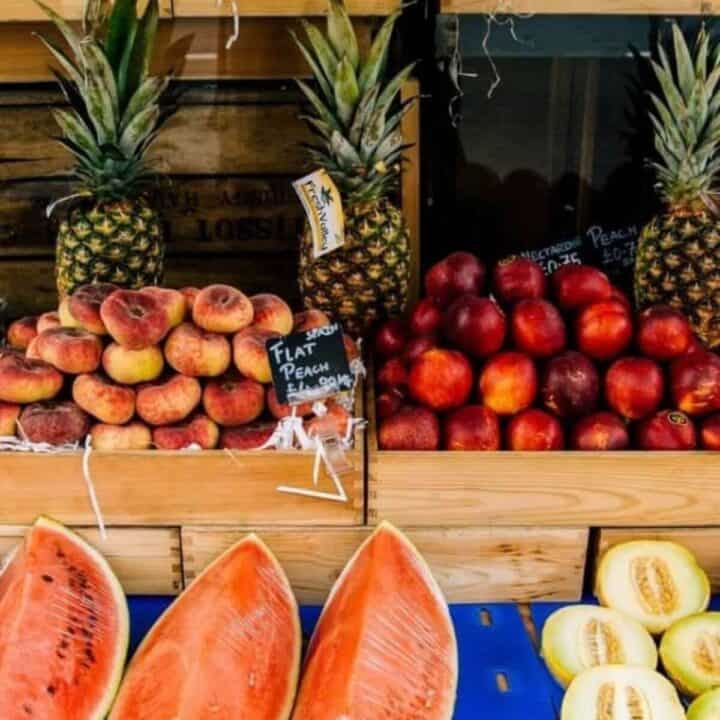
A diet rich in fresh fruits and vegetables provides abundant antioxidants. This will help eliminate damage to free radicals.
The highest concentrations are found in fruits and leafy green vegetables, like carrots, orange, and red peppers, spinach, and tomatoes.
Read more about how to eat more fruits and veggies.
The cooking process will destroy some antioxidants in food. It will even interfere with the body's ability to absorb them.
However, eating raw vegetables and fruit, and including sprouts in the diet, is helpful. Steaming vegetables, rather than frying, microwaving, or boiling, is also a good idea.
Antioxidants are best taken in combination. Since single antioxidants, like vitamin E, will need other vitamins to work as an effective antioxidant.
Food and natural supplements may therefore provide the most bioavailable source of antioxidants. Some of the best sources of natural ones ever found are natural products from the rainforests of the world.
Fruits, like açai berry, are striking in the health world with the wide range and many antioxidants they contain. So, this makes them a perfect source of antioxidants.
It's no wonder the açai berry is one of the top 10 "super foods" in the world.
You might also like to read:
- 10 Fruits High in Antioxidants (and Why You Should Eat Them)
- Phytochemicals - The Secret Key To Good Health!
The Harmony Pantry: Gluten-Free Grocery Guide & 80 Everyday Recipes

Healthy eating strategies, nourishing meal ideas, and wellness guidance.
🫐 Best Antioxidant Foods to Eat More Often
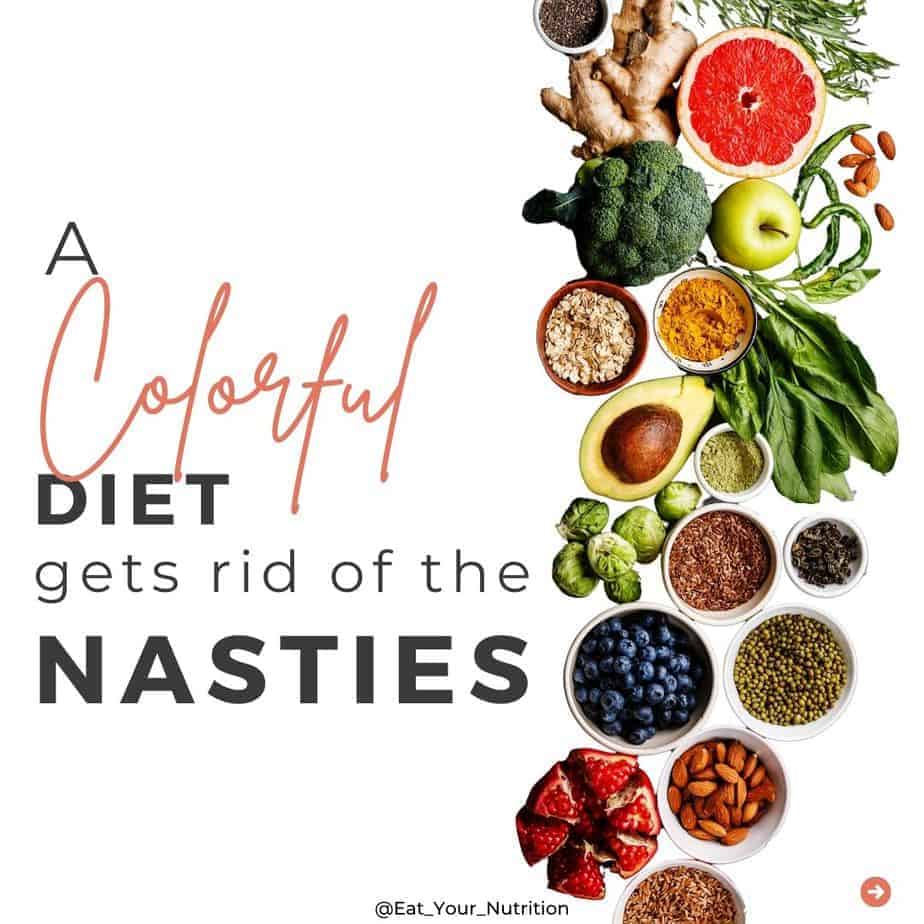
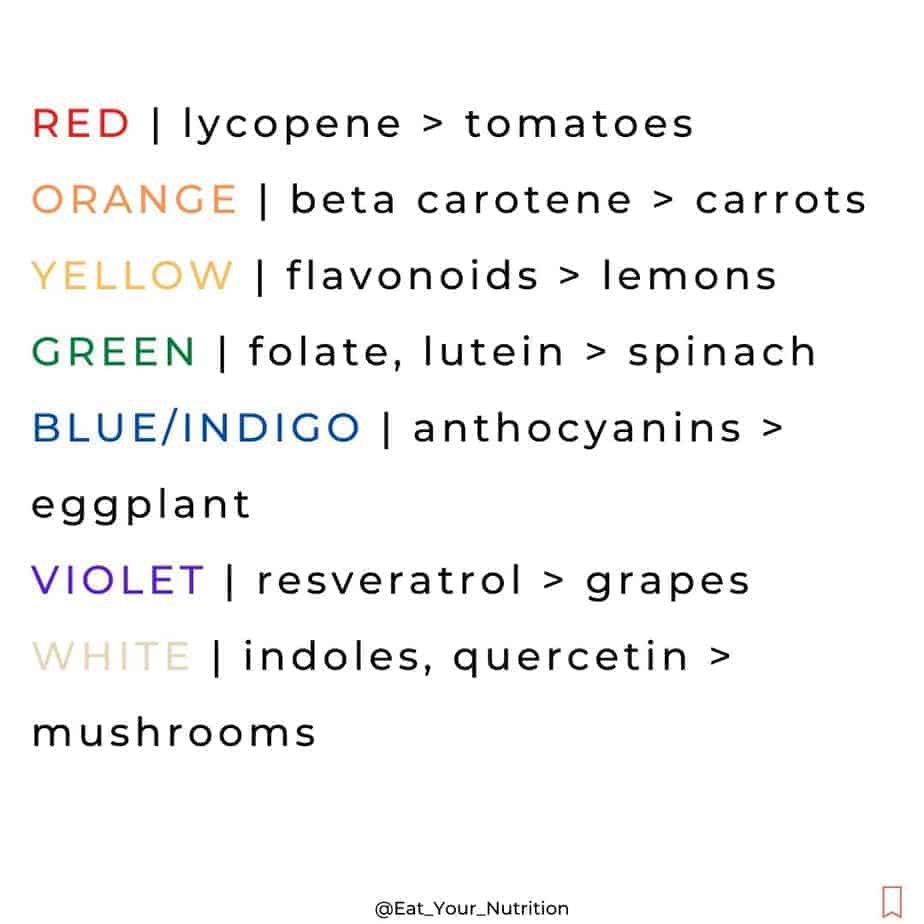
The easiest way to get more antioxidants is to eat a wider range of colors. Each color tends to bring different compounds, so variety matters more than any one superfood.
- Berries: Blueberries, strawberries, and raspberries bring vitamin C and anthocyanins, the pigments behind their deep color.
- Leafy greens: Spinach and kale give you vitamin C, beta-carotene, and lutein.
- Orange and red vegetables: Carrots and sweet potatoes are rich in beta-carotene, and red bell peppers are one of the best sources of vitamin C.
- Nuts and seeds: Almonds and sunflower seeds are high in vitamin E, and just one or two Brazil nuts cover your selenium for the day.
- Herbs and spices: Turmeric, cinnamon, and oregano are small but concentrated sources. Here's more on turmeric skin benefits.
- Green tea and cocoa: Green tea has catechins and dark chocolate has flavanols. See my list of the healthiest teas.
Food First, Not High-Dose Supplements
Research generally supports getting antioxidants from whole foods. Large trials of high-dose antioxidant supplements, like beta-carotene and vitamin E, have not shown the same benefits, and beta-carotene supplements raised lung cancer risk in smokers. If you are thinking about a supplement, talk with your doctor first.
🗣️ Let's Discuss Antioxidants and How They Work Against Free Radicals!
I would love to hear if you have ever tried Açai berries before. So, let me know what your favorite antioxidant-rich fruit or vegetable is in the comments below.
You can also connect with me @EatYourNutrition on Instagram. I love seeing your photos.



Comments
No Comments