



Vitamin D is often called the "sunshine vitamin," but its role in the body goes far beyond simply getting sunshine. This essential nutrient supports your immune system, bone strength, mood, hormones, metabolism, gut health, and overall wellness.
🌿 ARTICLE SNAPSHOT
Article Highlights
💡 Quick Overview: Discover how vitamin D contributes to strong bones, normal muscle function, immune regulation, and overall health.
🎯 Main Topic: The essential functions, dietary sources, and deficiency considerations associated with vitamin D.
👥 Best For: Anyone interested in bone health, immune wellness, nutrient deficiencies, or understanding whether vitamin D testing may be appropriate.
✨ You'll Learn:
- How vitamin D helps the body absorb calcium and maintain healthy bones?
- Why this fat-soluble vitamin is important for normal immune and muscle function?
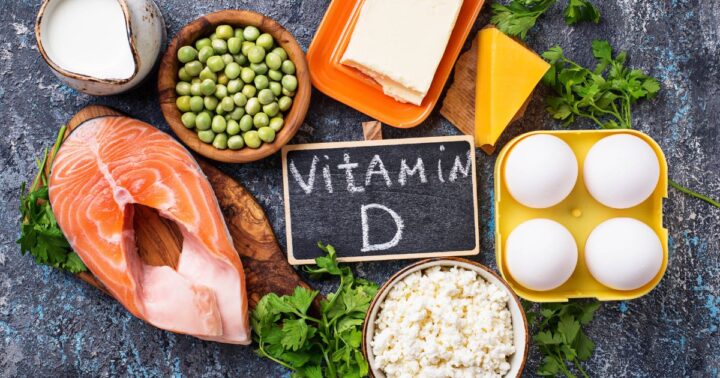
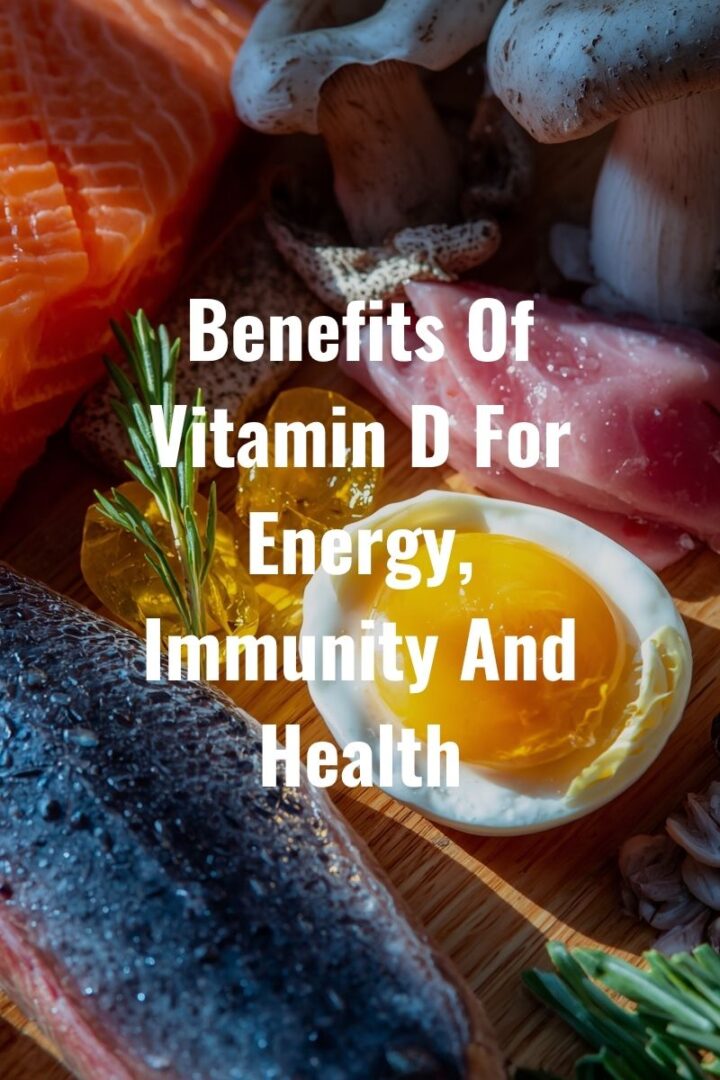
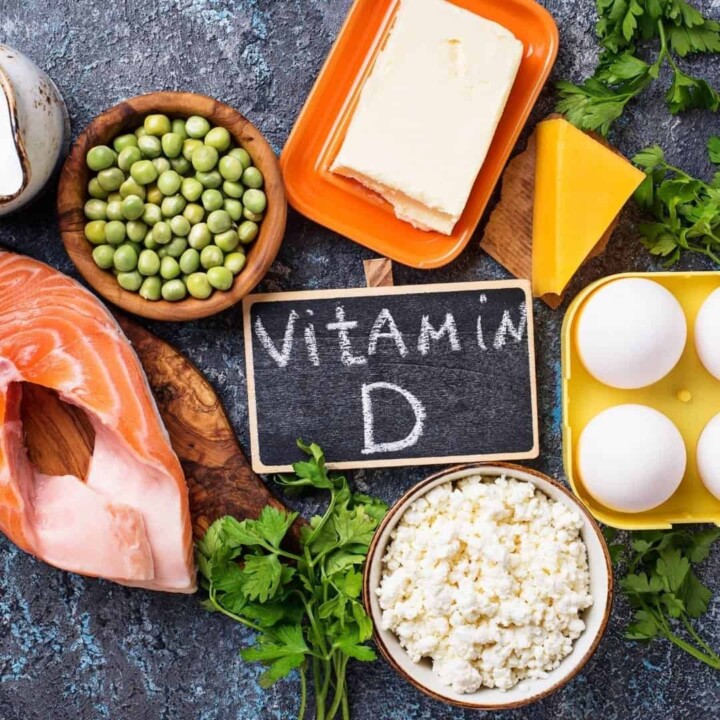
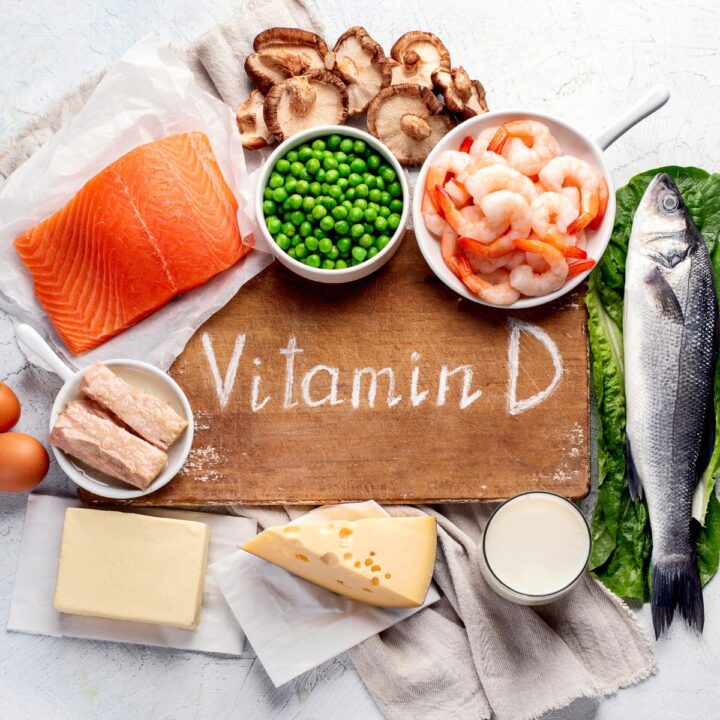
- Which foods provide vitamin D, including fatty fish, egg yolks, mushrooms, and fortified products?
- How sunlight enables the body to produce vitamin D?
- Which factors may increase the risk of deficiency?
- Why supplementation needs vary and may be guided by blood-test results?
🌱 Why It Matters: Vitamin D deficiency can affect bone and muscle health, but more supplementation is not always better. Excessive supplemental vitamin D can cause harmful calcium buildup and kidney complications. Discuss testing and dosage with a qualified healthcare professional, particularly if you have kidney disease, absorption difficulties, or take medications.
🌀 Harmony Moment: Pair a vitamin-D-rich meal with safe outdoor movement, allowing nourishment, sunlight, and gentle activity to support your daily wellness rhythm.
Jump to:
- Article Highlights
- 🌞 What Is Vitamin D?
- 🛑 Signs You May Be Low In Vitamin D
- 🩺 Health Benefits Of Vitamin D
- 3. Supports Mood And Mental Wellness
- 4. Supports Hormone Health
- 5. Helps Support Muscle Function And Recovery
- 6. May Support Heart Health
- 7. Supports Healthy Blood Sugar Balance
- 🍄🟫 Best Food Sources Of Vitamin D
- ❓ How To Naturally Support Healthy Vitamin D Levels?
- 📋 Simple Daily Habits That Support Vitamin D Wellness
- 🌿 Vitamin D & Whole-Body Wellness
- 😎 Nourishing Your Health With Vitamin D
- 🗣️ Let's Discuss The Health Benefits Of Vitamin D!
- 💬 Comments
Many people struggle with low vitamin D levels without even realizing it. Symptoms like fatigue, low mood, weakened immunity, poor recovery, muscle weakness, and frequent illness may all be connected to inadequate vitamin D intake or poor absorption.
As a certified nutritional therapy practitioner (NTP), I believe vitamin D is one of the foundational nutrients for creating balance in the body. When paired with nourishing foods, healthy fats, movement, stress support, and sunlight exposure, vitamin D can become a powerful part of your wellness routine.
🌞 What Is Vitamin D?
Vitamin D is a fat-soluble vitamin that acts more like a hormone inside the body. Your body naturally produces vitamin D when your skin is exposed to sunlight, but it can also be obtained through nutrition and supplementation.
Vitamin D helps regulate calcium and phosphorus levels, supports immune defenses, influences mood and brain health, and contributes to healthy hormone function.
There are two primary forms of vitamin D:
- Vitamin D2 (ergocalciferol) - Found in some plant foods and fortified foods.
- Vitamin D3 (cholecalciferol) - Found in animal foods and produced through sun exposure.
Vitamin D3 is generally considered the more effective form for raising vitamin D levels in the body.
🛑 Signs You May Be Low In Vitamin D
Vitamin D deficiency is incredibly common, especially during colder months or for people who spend most of their time indoors.
Some common signs of low vitamin D levels include:
- Low energy or chronic fatigue.
- Frequent colds or illness.
- Muscle weakness.
- Joint discomfort.
- Low mood or seasonal mood changes.
- Poor sleep quality.
- Brain fog.
- Hair thinning.
- Difficulty recovering from workouts.
- Hormone imbalances.
- Weakened immune function.
If you suspect a deficiency, it is always important to work with your healthcare provider and consider lab testing.
🩺 Health Benefits Of Vitamin D
1. Supports Immune Health
Vitamin D plays a major role in helping your immune system function properly. It helps regulate immune responses and may support the body's natural defense system.
Many wellness professionals emphasize vitamin D during seasonal wellness routines because healthy vitamin D levels are associated with stronger immune resilience.
Nutrition Tip: Pair vitamin D-rich foods with zinc-rich foods like pumpkin seeds, grass-fed beef, chickpeas, and seafood for additional immune support.
2. Helps Support Strong Bones
One of vitamin D's most important jobs is helping your body absorb calcium properly.
Without enough vitamin D, your body struggles to use calcium effectively, which may impact bone strength over time. Vitamin D and calcium work together to support healthy bones, teeth, and muscle function.
Best Nutrients For Bone Health
For optimal bone support, combine vitamin D with:
- Magnesium
- Calcium
- Vitamin K2
- Protein
- Strength training exercises.
Nutrition Tip: Add leafy greens, salmon, chia seeds, sardines, and unsweetened yogurt into your weekly routine for bone-supportive nutrition.
3. Supports Mood And Mental Wellness
Have you ever noticed your mood feels better after spending time in the sunshine?
Vitamin D may help support emotional wellness and healthy nervous system function. Many people notice lower mood and energy levels during seasons with reduced sunlight exposure.
Creating daily wellness rhythms that include outdoor walks, morning sunshine, movement, and nourishing meals can help support both physical and emotional health.
Nutrition Tip: Pair sunshine exposure with balanced blood sugar meals that include protein, fiber, and healthy fats for more stable energy and mood throughout the day.
4. Supports Hormone Health
Vitamin D may influence hormone balance and plays a role in several systems throughout the body.
Healthy vitamin D levels may support:
- Reproductive health.
- Adrenal health.
- Thyroid function.
- Insulin sensitivity.
- Mood regulation.
Women especially may benefit from maintaining healthy vitamin D levels during stressful seasons, hormone shifts, or winter months.
Nutrition Tip: Healthy fats help your body absorb vitamin D more effectively. Include foods like avocado, olive oil, nuts, seeds, salmon, and egg yolks with vitamin D-rich meals.
5. Helps Support Muscle Function And Recovery
Vitamin D is important for muscle performance, strength, and recovery. Low levels may contribute to muscle weakness or fatigue.
This is especially important for:
- Active lifestyles.
- Strength training.
- Healthy aging.
- Recovery routines.
💪 Improved Muscle Function
Vitamin D supports muscle strength, stamina, and physical performance. Low vitamin D levels may contribute to muscle weakness, fatigue, and slower recovery after exercise or physical activity.
For active lifestyles, vitamin D works alongside:
- Protein
- Magnesium
- Potassium
- Electrolytes
- Anti-inflammatory foods
Nutrition Tip: After workouts, prioritize balanced meals with protein, healthy fats, and mineral-rich carbohydrates to support recovery and muscle health.
6. May Support Heart Health
Research continues to explore the connection between vitamin D and cardiovascular wellness. Healthy vitamin D levels may support circulation, blood pressure balance, and overall heart health.
A holistic heart-supportive lifestyle also includes:
- Fiber-rich foods.
- Omega-3 fats.
- Stress management.
- Regular movement.
- Mineral-rich hydration.
- Anti-inflammatory nutrition habits.
❤️ Vitamin D Protects Cardiovascular Health
Vitamin D may help support cardiovascular wellness and protect against certain heart-related conditions. Some research suggests healthy vitamin D levels may support circulation, arterial health, and overall heart function.
🩸 Improved Blood Pressure
Daily vitamin D intake may help support healthy blood pressure levels, especially when combined with balanced nutrition habits, hydration, movement, and stress management.
Send This To My Inbox
⁉️ Supports Healthy Arteries
Healthy vitamin D levels may help maintain the elasticity of arteries, supporting healthy circulation and cardiovascular function over time.
Nutrition Tip: Pair heart-supportive foods like salmon, olive oil, leafy greens, flaxseeds, berries, and avocados with a vitamin D-rich lifestyle for additional cardiovascular support.
7. Supports Healthy Blood Sugar Balance
Vitamin D may also play a role in glucose metabolism and insulin sensitivity.
Balanced blood sugar is important for:
- Energy
- Hormone Health
- Cravings
- Mood
- Metabolism
- Long-Term Wellness
🍭 May Help Support Healthy Blood Sugar Levels
Some studies suggest vitamin D may support insulin sensitivity and balanced glucose metabolism, which are important for maintaining steady energy, mood, metabolism, and hormone health.
Balanced blood sugar habits include:
- Prioritizing protein at meals.
- Eating fiber-rich foods.
- Reducing excess added sugars.
- Supporting sleep and stress management.
- Including healthy fats with carbohydrates.
Nutrition Tip: Build balanced meals with protein, fiber, healthy fats, and slow-digesting carbohydrates to help stabilize blood sugar naturally.

🍄🟫 Best Food Sources Of Vitamin D
Although sunshine is one source of vitamin D, nutrition also matters.
Foods Rich In Vitamin D
- Salmon
- Sardines
- Tuna
- Egg Yolks
- Cod Liver Oil
- Mushrooms exposed to UV light.
- Whole-fat dairy products.
- Fortified dairy alternatives.
Nutrition Tip: Since vitamin D is fat-soluble, pair these foods with healthy fats for improved absorption.

❓ How To Naturally Support Healthy Vitamin D Levels?
1. Prioritize Safe Sunlight Exposure
Morning sunlight exposure may help support your natural circadian rhythm and vitamin D production.
Try:
- Morning walks.
- Outdoor movement.
- Sitting outside during breakfast.
- Gardening
- Gentle sunshine breaks throughout the day.
2. Eat More Nutrient-Dense Meals
Vitamin D works best alongside a nutrient-rich lifestyle.
Focus on:
- High-quality proteins.
- Healthy fats.
- Mineral-rich foods.
- Antioxidant-rich produce.
- Fiber-rich meals.
3. Support Gut Health
Gut health influences nutrient absorption, including fat-soluble vitamins like vitamin D.
To support gut health:
- Eat fermented foods.
- Increase fiber intake.
- Stay hydrated.
- Reduce ultra-processed foods.
- Manage stress levels.
- Prioritize sleep.
4. Consider Supplementation If Needed
Some individuals may benefit from vitamin D supplementation, especially during winter months or if lab levels are low.
Always work with your healthcare provider to determine the right dosage for your needs.
📋 Simple Daily Habits That Support Vitamin D Wellness
- Get morning sunshine daily.
- Eat balanced meals with healthy fats.
- Include vitamin D-rich foods regularly.
- Move your body consistently.
- Prioritize restorative sleep.
- Support stress management.
- Stay hydrated with mineral-rich fluids.
🌿 Vitamin D & Whole-Body Wellness
💗 May Help Support Cellular Health
Research continues to explore the role vitamin D may play in supporting healthy cell function and overall wellness. Vitamin D is involved in many processes throughout the body, including immune function and cellular regulation.
🩺 Supports Immune & Seasonal Wellness
Vitamin D may help support the body's natural immune defenses and overall recovery during seasonal illness periods. Pairing sunshine, sleep, hydration, nutrient-dense meals, and stress support together creates a more holistic wellness foundation.
👩🏼🍼 Vitamin D & Pregnancy Wellness
Healthy vitamin D levels are important during pregnancy and may support maternal wellness, immune health, and overall fetal development. Pregnant women should always work closely with their healthcare provider regarding vitamin D intake and supplementation.
Nutrition Tip: Pregnancy-supportive meals rich in protein, omega-3 fats, minerals, and vitamin D-rich foods may help nourish both mom and baby.
😎 Nourishing Your Health With Vitamin D
Vitamin D is one of the most important nutrients for supporting whole-body wellness. From immune health and strong bones to mood, energy, hormones, and recovery, this powerful nutrient plays a role in many systems throughout the body.
True wellness is about creating sustainable habits that nourish your body consistently. Sunshine, nutrition, movement, rest, hydration, and rhythm all work together to support long-term health.
Start with simple habits like:
- ☀️ Get outside daily.
- 🥑 Eat nourishing meals.
- 💧 Stay hydrated.
- 😴 Prioritize rest.
- 🌿 Support your body with consistency.
Small daily rhythms can create powerful transformation over time.

FEATURED NUTRITION CHALLENGE?
Includes a meal plan filled with wholesome recipes using fruits, veggies, whole grains, and legumes. Enjoy nourishing meals while learning through each month's seasonal health theme.

🗣️ Let's Discuss The Health Benefits Of Vitamin D!
So, what surprised you about the role of vitamin D in your body? If you enjoyed reading about the importance of vitamin D, let me know in the comments below.
You can also connect with me @EatYourNutrition on Instagram. I love hearing about your wellness journey. #EatYourNutrition #LauraVillanueva




Comments
No Comments