















What if I told you that you could improve your bloating, mood, and digestive troubles not with a miracle pill or complex regimen, but simply by embracing the vibrant world of plant diversity?
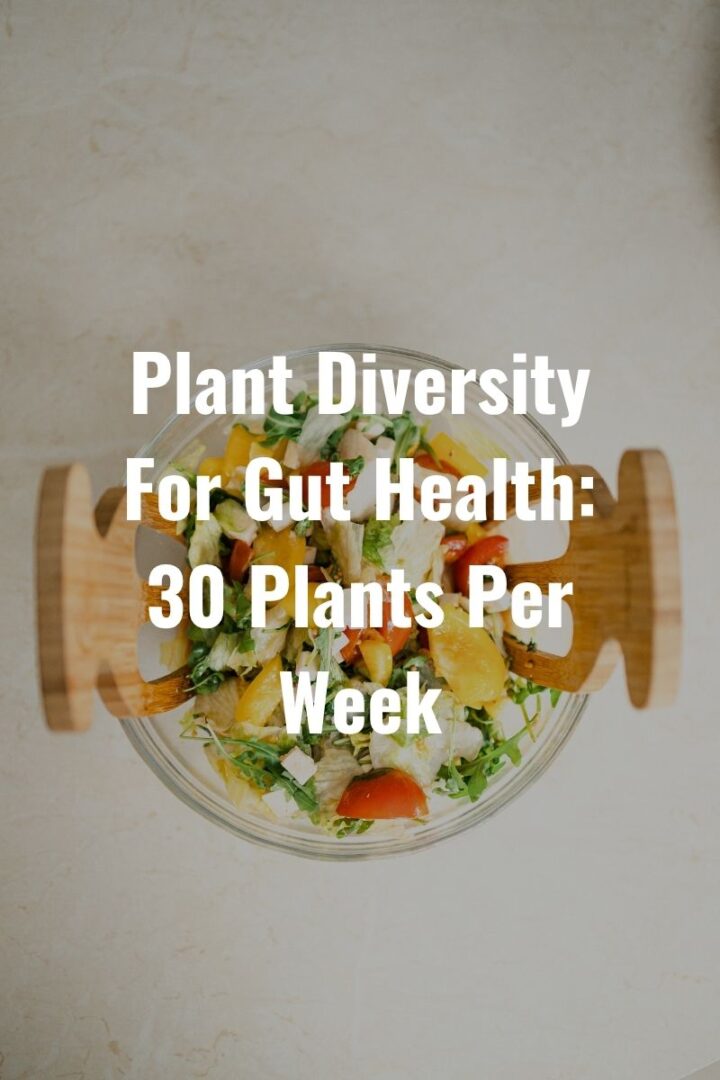
Plant diversity for gut health is one of the most effective and natural ways to support your microbiome. By eating a wide variety of plant-based foods, such as fruits, vegetables, legumes, nuts, seeds, and whole grains, you nourish beneficial gut bacteria, improve digestion, and support overall wellness. A diverse plant diet provides essential fiber and phytonutrients that help your gut thrive.

🌿 ARTICLE SNAPSHOT
Article Highlights
💡 Quick Overview: Increasing plant diversity is one of the simplest ways to support a healthier gut microbiome. Eating a wide variety of fruits, vegetables, legumes, nuts, seeds, herbs, spices, and whole grains helps nourish beneficial gut bacteria and promotes better digestive and overall health.
🎯 Main Topic: How eating 30 different plant foods each week can support gut health, microbiome diversity, and overall wellness.
👥 Best For: Anyone looking to improve gut health naturally, increase fiber intake, reduce digestive discomfort, and build healthier eating habits through greater plant diversity.
✨ You'll Learn:
- Why plant diversity is important for a healthy gut microbiome.
- What counts toward your weekly plant diversity goal.
- Easy ways to eat 30 different plant foods each week.
- Simple tips to increase variety without overcomplicating your meals.
🌱 Why It Matters: A diverse gut microbiome is linked to better digestion, immune function, and overall health. By adding more variety to your meals instead of focusing on restriction, you can nourish beneficial gut bacteria and support long-term wellness. One plant at a time.
Jump to:
- Article Highlights
- 🌿 The Power Of Plant Diversity For Gut Health
- 🥦 The Importance Of Fiber For Gut Health
- 🦠 The Role Of Plants In Supporting Gut Health
- 🌿 What Is Plant Diversity And Why Does It Matter For Gut Health?
- 🥗 Sample Day Of Eating For A Plant Diversity Diet
- 💚 Tips For Incorporating More Plants Into Your Diet
- 🌈 Best Foods To Increase Plant Diversity
- Are You Ready To Improve Your Gut Health With Plant Diversity?
- 🌀 Harmony Method Tip: Build Your "Plant Rhythm Plate"
- 🤔 ⁉️ FAQ - Common Questions Asked About Plant Diversity And Gut Health
- 💬 Let's Keep The Conversation Going: The Gut Health Power Of Plant Diversity
- 📧 Share This Article
- 📚 References
- 💬 Comments
It might sound too good to be true, but the connection between what we eat and how we feel is profound, and at the heart of it lies the remarkable influence of plant-based foods on our gut health. By focusing on a diversity diet, we can ensure we are supporting our gut microbiome.
🌿 The Power Of Plant Diversity For Gut Health
I know what you're thinking, why is gut health so important? Well, when it comes to the gut, this powerhouse doesn't only influence digestion, instead the gut is an intricate ecosystem that influences everything from immune function to mental health, and plants. All with their rich array of fibers, phytonutrients, and antioxidants, play a pivotal role in maintaining a flourishing gut microbiome.
From leafy greens to vibrant berries, each plant consumed contributes to the diversity of beneficial bacteria that call our digestive tract home.
In this article, we'll explore the multifaceted ways in which plants support gut health. From their fiber content aiding digestion to how the diversity of plants in your diet contributes to microbial diversity. Additionally, we'll dive into practical tips for incorporating more plant-based foods into your diet.
Join me as we unlock the secrets of gut health and discover how harnessing the power of plants can cultivate wellness from within.
🥦 The Importance Of Fiber For Gut Health
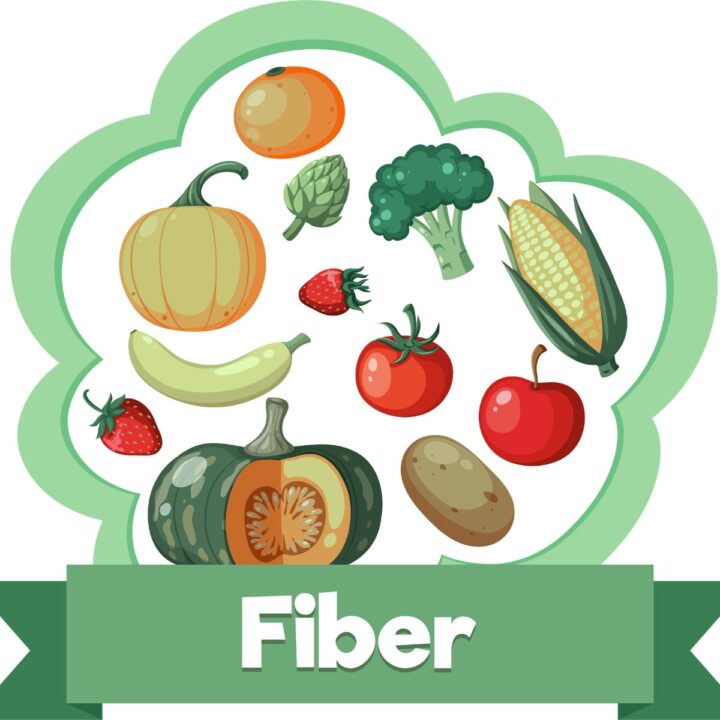
At the core of the plant-gut connection lies the importance of fiber. A crucial nutrient often overlooked but essential for optimal gut health. Two main types of fiber exist: soluble and insoluble.
Soluble fiber, found in foods like oats, beans, and fruits, dissolves in water to form a gel-like substance in the digestive tract. This gel helps slow down digestion, promoting a feeling of fullness and stabilizing blood sugar levels.
On the other hand, insoluble fiber, prevalent in whole grains, vegetables, and nuts, adds bulk to stool and facilitates regular bowel movements, thus alleviating constipation and promoting digestive regularity.
The benefits of fiber extend far beyond mere digestive comfort, though. By aiding in digestion and regulating bowel movements, fiber contributes to a healthy gut environment.
Furthermore, the fermentation of soluble fiber produces short-chain fatty acids (SCFAs), such as butyrate, acetate, and propionate, which serve as a vital energy source for colon cells and possess anti-inflammatory properties.
This process not only fosters a balanced gut microbiome but also helps mitigate inflammation throughout the body, potentially reducing the risk of chronic diseases like inflammatory bowel disease (IBD) and colorectal cancer.
When it comes to boosting your fiber intake, these are some of the best food options:
- Leafy greens like kale and spinach.
- Legumes such as lentils and chickpeas.
- Whole grains like quinoa and brown rice
- And an assortment of fruits and vegetables, like berries, apples, broccoli, and sweet potatoes. All are all excellent sources of fiber. Try these high-fiber recipes.
🦠 The Role Of Plants In Supporting Gut Health
Microbial diversity within the gut refers to the variety and abundance of microorganisms, primarily bacteria, inhabiting the gastrointestinal tract. This diverse community of microbes, collectively known as the gut microbiome, plays a fundamental role in maintaining various aspects of health, including digestion, immune function, and even mood regulation.
A richer and more diverse microbiome is generally associated with better health outcomes, while decreased diversity has been linked to conditions such as obesity, inflammatory bowel disease, and depression.
The diversity of plants in one's diet is closely intertwined with microbial diversity in the gut. Each plant contains a unique set of fibers, phytonutrients, and other compounds that serve as fuel and nourishment for different strains of gut bacteria.
🌿 What Is Plant Diversity And Why Does It Matter For Gut Health?
By consuming a wide variety of plant-based foods, we provide our gut microbiome with the diverse range of nutrients it needs to thrive. This, in turn, promotes the growth and proliferation of a more diverse array of beneficial bacteria, enhancing microbial diversity within the gut.
In fact, specific plant foods have been shown to particularly support microbial diversity. For instance, foods rich in prebiotic fibers, such as onions, garlic, leeks, asparagus, and bananas, serve as fuel for beneficial bacteria like Bifidobacteria and Lactobacilli, promoting their growth and diversity within the gut.
Additionally, fermented plant-based foods, such as sauerkraut, kimchi, tempeh, and yogurt, contain probiotic bacteria that can directly contribute to microbial diversity by introducing beneficial strains into the gut.
🥗 Sample Day Of Eating For A Plant Diversity Diet
Embarking on a journey to boost your fiber intake can feel like a daunting task, especially if you're accustomed to a diet low in plant-based foods.
However, with a bit of planning and creativity, achieving the recommended daily intake of 30+ grams of fiber is entirely feasible and incredibly rewarding for your gut health.
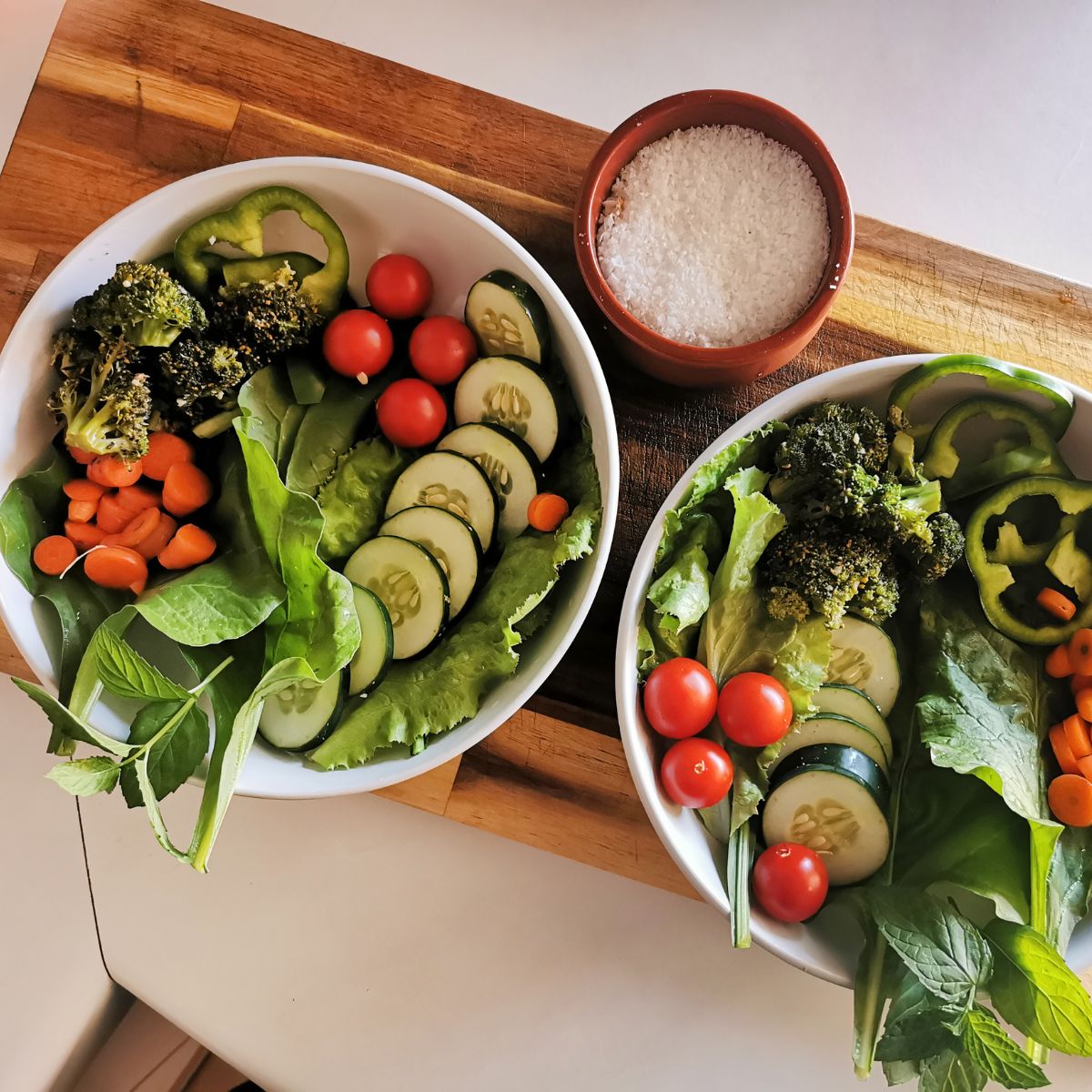
To help you kickstart this fiber-rich adventure, I've crafted a sample day of eating, meticulously designed to deliver over 30 grams of fiber, taste delicious, and nourish your body from within:
- Breakfast - Overnight oats topped with berries, chia seeds, and almonds (10 grams of fiber).
- Mid-morning snack - Apple slices with peanut butter (4 grams of fiber).
- Lunch - Quinoa salad with mixed vegetables and a side of steamed broccoli (12 grams of fiber).
- Afternoon snack - Carrot sticks with hummus. (6 grams of fiber).
- Dinner - Grilled chicken with a side of roasted sweet potatoes and a mixed green salad. (8 grams of fiber).
Total fiber intake for the day: 40 grams.
💚 Tips For Incorporating More Plants Into Your Diet
Research from the American Gut Project, one of the largest microbiome studies to date, found that individuals who consumed 30 or more different plant foods per week had significantly greater gut microbiome diversity than those who consumed fewer than 10. (1) While this research shows a strong association, not direct causation. However, it highlights the powerful role dietary diversity plays in shaping the gut microbiome.
Incorporating more plants into your diet doesn't have to be an all-or-nothing endeavor. Here are some practical tips to help you transition towards a more plant-centric way of eating.
📥 GET THIS RECIPE IN YOUR INBOX 📥
- Start Small: Begin by making small changes to your meals. Add in beans in your favorite chili or add extra veggies to your stir-fry or morning eggs. Gradually increase the proportion of plant-based foods on your plate over time.
- Embrace Variety: Aim to include a diverse range of fruits, vegetables, whole grains, legumes, nuts, and seeds in your meals and snacks. Experiment with different flavors, textures, and cooking methods to keep things interesting and satisfying.
- Plan Ahead: Take time to plan your meals and snacks for the week ahead. Stock your kitchen with a variety of plant-based ingredients, such as fresh produce, whole grains, and plant-based proteins, to make healthy eating more convenient and accessible.
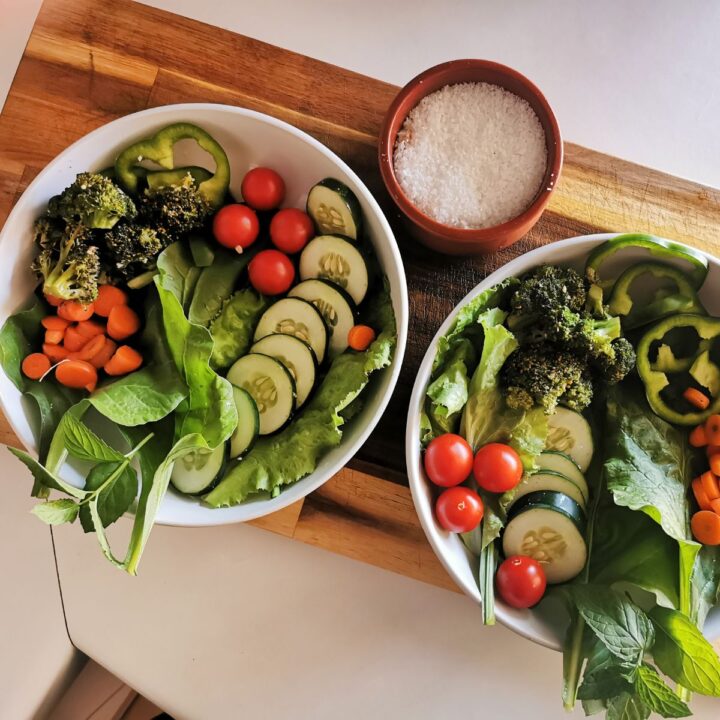
- Get Creative: Explore new recipes and culinary techniques to add in more plants in exciting and delicious ways. Try new veggie recipes, roasted vegetable bowls, or colorful salads packed with nutrient-rich ingredients.
- Listen To Your Body: Pay attention to how different plant-based foods make you feel. Experiment with different combinations and quantities to find what works best for your body and tastes.
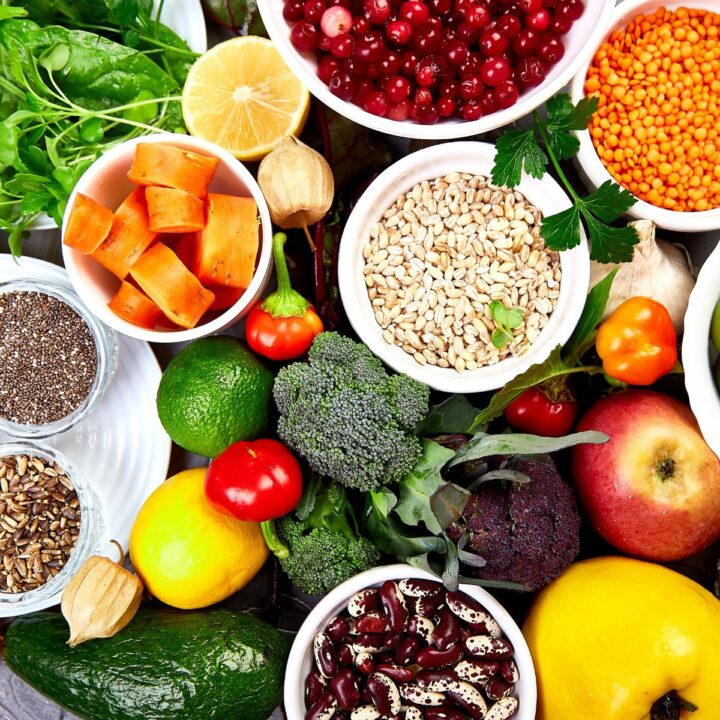
🌈 Best Foods To Increase Plant Diversity
- Leafy greens.
- Berries
- Legumes
- Whole grains.
- Herbs & spices.
- Fermented plant foods.
✨ True gut healing doesn't come from restriction, instead it comes from nourishment, diversity, and giving your body the variety it was designed to thrive on. --- Laura Villanueva, Eat Your Nutrition
Are You Ready To Improve Your Gut Health With Plant Diversity?
As we've covered, the benefits of embracing a plant-centric way of eating extend far beyond mere nutrition. By prioritizing a diverse array of fruits, vegetables, whole grains, legumes, nuts, and seeds in your meals and snacks, you not only nourish your body with essential nutrients but also cultivate a thriving ecosystem within your gut. This lays the foundation for better gut health and overall wellness.
We've explored the intricate relationship between plants and gut health, uncovering the transformative power of a plant-rich diet in nurturing a flourishing microbiome and promoting overall well-being.
From the importance of fiber in supporting digestion and microbial diversity to practical tips for incorporating more plants into your diet, we've delved into the myriad of ways in which plant-based foods can enhance gut health.
If you're ready to take your journey towards better gut health to the next level, then head to our valuable resources that are here to provide support and guidance as you navigate the path to optimal wellness.
🌀 Harmony Method Tip: Build Your "Plant Rhythm Plate"
At Eat Your Nutrition, we don't just focus on what you eat, instead we focus on the rhythm and diversity of how you nourish your body.
✨ Harmony Method™ Tip: Create A Plant Rhythm Plate
Instead of eating the same vegetables every day, rotate your plant foods throughout the week to support deeper gut diversity.
Try this simple rhythm:
- 🌱 Daily staples: Leafy greens, berries, herbs.
- 🌈 Rotate every 2-3 days: Different vegetables (zucchini, asparagus, carrots, peppers).
- 🫘 Weekly variety: Legumes, whole grains, seeds, and fermented foods.
This rhythm-based rotation:
- Feeds different strains of beneficial gut bacteria.
- Prevents food boredom and nutrient gaps.
- Supports digestion, hormones, and energy levels.
💡 Think of your gut like a garden. The more variety you plant, the more it thrives.
🤔 ⁉️ FAQ - Common Questions Asked About Plant Diversity And Gut Health
How Many Different Plants Should I Eat Per Week?
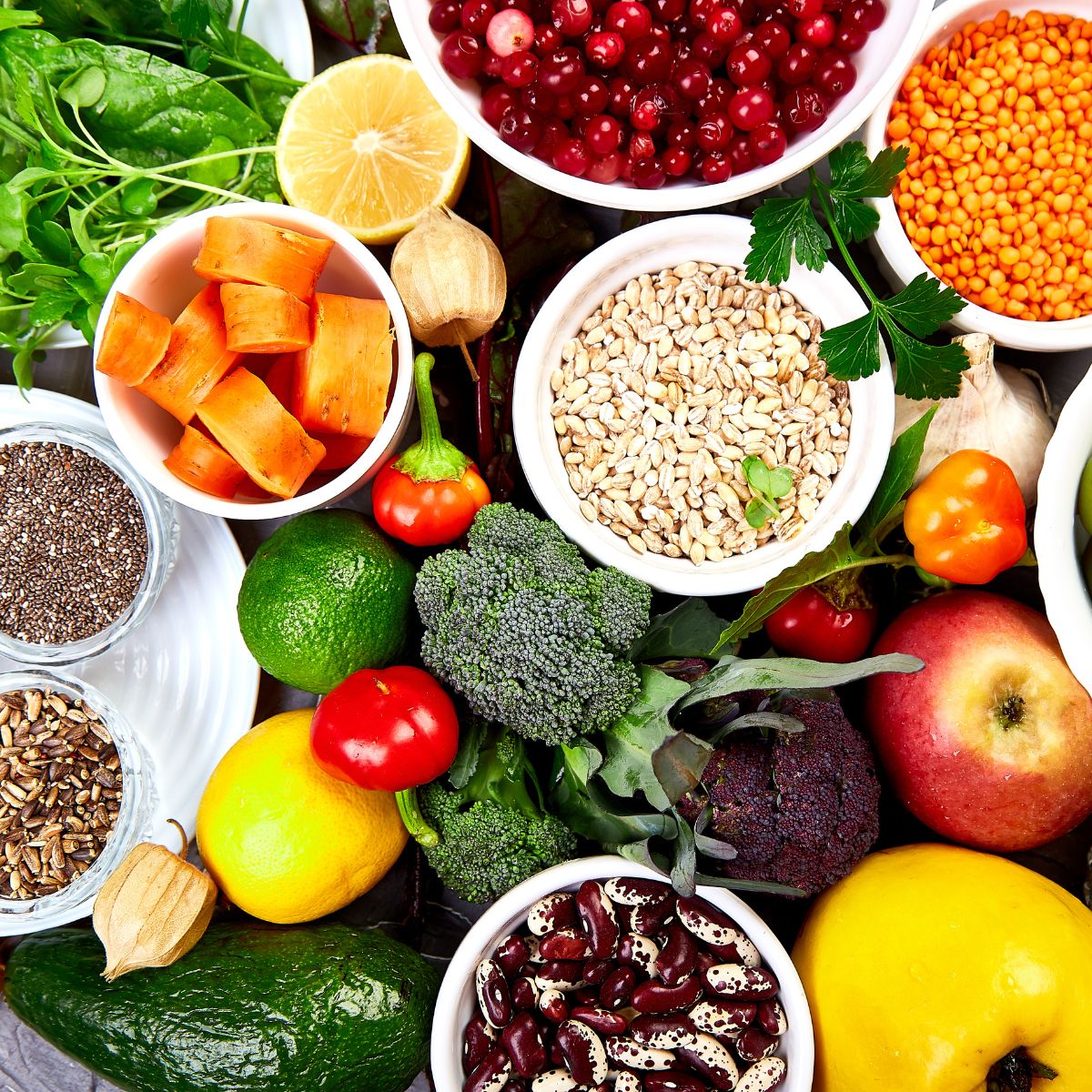
Research suggests aiming for 30+ different plant foods per week to support optimal gut microbiome diversity. This includes fruits, vegetables, herbs, spices, legumes, nuts, and seeds.
Do I Have To Be Fully Plant-Based To Improve Gut Health?
Not at all. You can still eat animal proteins while increasing plant diversity. The key is adding more plants, not necessarily eliminating everything else.
What Counts As A "Different Plant"?
Each unique plant counts! For example:
Spinach and kale = 2 plants
Almonds and walnuts = 2 plants
Garlic and onions = 2 plants
Even herbs and spices count (and they're powerful for gut health!).
Can Eating More Plants Cause Bloating?
Yes, temporarily. If your body isn't used to fiber, increasing intake too quickly can cause bloating.
💡 Pro Nutrition Tip: Increase slowly and drink plenty of water to support digestion.
What Are The Best Plants For Gut Health?
Some of the most beneficial include:
Leafy greens
Berries
Legumes
Whole grains
Garlic, onions, leeks (prebiotics).
Fermented foods like sauerkraut and kimchi.
How Long Does It Take To Improve Gut Health With Plant Diversity?
You may notice improvements in digestion within a few days to weeks, but deeper microbiome changes happen over time with consistency.
Want Support Building These Rhythms?
If you're ready to get started with a diversity diet that support gut health, hormones, and energy without restriction, explore:
👉 Restore Your Gut Health Fundamentals Program
👉 The Harmony Method Starter Guide
👉 Weekly rhythm-based tips in Eat Your Nutrition Weekly Newsletter.
💬 Let's Keep The Conversation Going: The Gut Health Power Of Plant Diversity
Your gut health journey is personal and you don't have to navigate it alone.
I'd love to hear from you 💚
✨ What's one new plant you're adding to your meals this week?
✨ Have you ever tried the 30+ plant diversity challenge?
Drop a comment below or connect with me on Instagram @eatyournutrition and share your journey. Your experience could inspire someone else to take that first step toward better health.
And if you're ready to go deeper...
- 🌿 Explore my programs designed to support gut, hormone, and full-body wellness.
- 📖 Want a simple plan to reset your gut? Download your free Gut Health Guide to start nourishing your body with plant diversity today.
- 🥗 Try one of my gut-nourishing recipes this week.
Remember, healing isn't about perfection, it's about consistency, nourishment, and creating a rhythm your body can trust.
I'm here with you every step of the way.
📧 Share This Article
If this article helped you better understand the power of plant diversity, share it with someone who's on their gut health journey. 💚
✨ Ways To Share:
- Send it to a friend who struggles with digestion.
- Share it on Pinterest or Instagram.
- Add it to your wellness group or community.
📌 The more we share knowledge, the more we empower others to heal naturally.
📚 References
The recommendations in this article are supported by emerging research on gut microbiome diversity, plant-based nutrition, and fiber intake.
- McDonald, D., Hyde, E., Debelius, J. W., et al. (2018). American Gut: an Open Platform for Citizen Science Microbiome Research. mSystems, 3(3). https://doi.org/10.1128/mSystems.00031-18
👉 This large-scale study found that individuals who consumed 30 or more different plant foods per week had significantly greater gut microbiome diversity compared to those consuming fewer than 10.




Comments
No Comments