

Many people around the globe do not know that when you practice yoga meditation, you are likely to enjoy the benefits of health. Yoga and meditation can also benefit your quality of sleep. Let's discuss the benefits of yoga meditation.
🌿 ARTICLE SNAPSHOT
Article Highlights
💡 Quick Overview: Yoga and meditation work together to support both physical and mental well-being. By combining mindful movement with intentional breathing and meditation, you can reduce stress, improve flexibility, support your nervous system, and cultivate a greater sense of balance in everyday life.
🎯 Main Topic: The benefits of incorporating yoga and meditation into a holistic wellness routine for better physical, mental, and emotional health.
👥 Best For: Anyone looking to reduce stress, improve flexibility, support gut and hormone health through stress management, increase mindfulness, or create a sustainable self-care routine.
✨ You'll Learn:
- How yoga and meditation complement one another to support overall wellness?
- The physical and mental health benefits of a consistent yoga practice.
- Simple ways to begin a daily meditation routine, even as a beginner.
- How mindful breathing and movement can help calm the nervous system and improve resilience?
🌱 Why It Matters: Chronic stress can affect digestion, sleep, hormones, and energy levels. Creating a regular yoga and meditation practice helps regulate your stress response, encourages mindfulness, and supports a healthier mind-body connection, making it an important part of a balanced wellness lifestyle.
Jump to:
- Article Highlights
- ⁉️ What Is Yoga Meditation?
- 🧘 Yoga Meditation Benefits
- ⁉️ Why Do Yoga and Meditation Work Together?
- 🧘 What Is the Difference Between Yoga and Meditation?
- 🧡 Best Time to Practice Yoga and Meditation
- ⁉️ How To Get Started With A Yoga Meditation Practice
- 🧘🏻♀️ Beginner Yoga and Meditation Routine
- 🧘♂️ Yoga Poses That Pair Well With Meditation
- 🫁 Breathing Techniques Before Meditation
- 🦠 Benefits for Gut Health
- ⚖️ Benefits for Hormone Balance
- ⁉️ How to Build a Consistent Practice
- 🚫 Common Beginner Mistakes
- 🤔 FAQ - Common Questions
- 🗣️ Let's Discuss Yoga Meditation Practices!
- 💬 Comments
⁉️ What Is Yoga Meditation?
If your mind feels constantly busy or you're looking for a natural way to manage stress, yoga meditation can be a powerful addition to your wellness routine. By combining mindful movement, breathwork, and meditation, this practice helps calm the mind while strengthening the connection between your body and breath.
Yoga meditation isn't just about stretching or sitting quietly, it's about bringing your full attention to the present moment. Each movement is performed with intention, allowing you to cultivate greater mindfulness, reduce stress, and improve your overall sense of well-being.
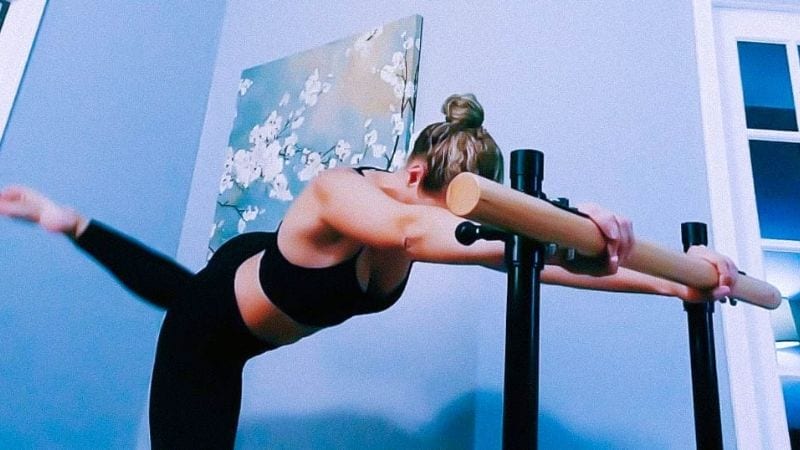
I personally enjoy combining yoga, barre, and meditation into my weekly routine. One of my favorite ways to unwind is by listening to guided sound meditations during my barre workouts. Pairing gentle movement with calming audio helps me feel more grounded, focused, and relaxed. There are many excellent guided yoga classes and sound meditations available through fitness and meditation apps, making it easy to create a practice that fits your lifestyle.
If you're new to yoga meditation, start with just 5 to 10 minutes a day. As you become more comfortable with the practice, you can gradually build a routine that supports both your physical and mental health.
Beginning your day with yoga meditation is also a wonderful complement to a healthy morning routine. A few minutes of intentional movement and deep breathing can help reduce stress, improve focus, and set a calm, positive tone for the rest of your day.
🧘 Yoga Meditation Benefits
The benefits of yoga meditation extend far beyond flexibility. Regular practice supports your physical, mental, and emotional well-being by helping your body shift into a more relaxed state while encouraging greater mindfulness throughout the day.
Some of the most well-known benefits of yoga meditation include:
- Reduces stress and promotes relaxation.
- Supports a healthy response to everyday stress.
- Improves focus, concentration, and mental clarity.
- Encourages deeper, more restful sleep.
- Increases flexibility, balance, and mobility.
- Strengthens the mind-body connection.
- Promotes mindful breathing and body awareness.
- Supports emotional well-being and resilience.
Many styles of yoga naturally incorporate meditation and breathwork. For example, Hatha yoga focuses on gentle postures and mindful breathing, while Kundalini yoga combines movement, breathing techniques, meditation, and chanting to cultivate awareness and inner calm.
While traditional exercise is excellent for building strength, improving cardiovascular health, and supporting a healthy weight, yoga meditation offers something different. It reminds us that true wellness includes caring for both our minds and our bodies. By slowing down, focusing on the breath, and becoming more present, you create space to reduce stress and reconnect with yourself.
One of the reasons yoga meditation is so effective is that it engages multiple aspects of your well-being at the same time. Through intentional movement, conscious breathing, and mindfulness, many people notice they feel calmer, more centered, and mentally refreshed even after a single session.
Like any healthy habit, the greatest benefits come with consistency. Even a short daily yoga meditation practice can become a meaningful part of a balanced lifestyle that supports long-term physical and emotional wellness.
⁉️ Why Do Yoga and Meditation Work Together?
Yoga and meditation complement one another because they support both the body and the mind. Yoga uses movement and controlled breathing to prepare the nervous system for stillness, while meditation helps cultivate awareness, focus, and emotional resilience.
When practiced consistently, they may help:
- Reduce perceived stress.
- Improve sleep quality.
- Support flexibility and mobility.
- Enhance mood.
- Improve concentration.
- Encourage healthier daily habits.
- Support nervous system regulation.
Research suggests regular yoga practice may improve flexibility, strength, balance, sleep quality, and stress management, while meditation supports attention, emotional regulation, and overall mental well-being.

🧘 What Is the Difference Between Yoga and Meditation?
Although often grouped together, yoga and meditation serve slightly different purposes.
| Yoga | Meditation |
|---|---|
| Physical movement | Mental awareness |
| Improves mobility | Improves focus |
| Strengthens muscles | Builds mindfulness |
| Includes breathing | Centers attention |
| Increases flexibility | Reduces mental clutter |
The two practices work best when combined into one daily routine.
🧡 Best Time to Practice Yoga and Meditation
Morning
Morning yoga helps wake up stiff muscles while meditation creates a calm mindset before the day begins.
Morning benefits include:
- Better energy.
- Improved focus.
- Healthier decision making.
- Reduced morning anxiety.
Evening
Gentle yoga before bed helps release physical tension accumulated throughout the day.
Benefits include:
- Better sleep quality.
- Less muscle tightness.
- Easier transition into rest.
- Reduced evening stress.
⁉️ How To Get Started With A Yoga Meditation Practice
You can however start your session by going to the local classes around your home area, or even register at the gym or any other fitness center.
The reason you should join a class gym or fitness center is that there are experts who will show you how to do it. When experts are around, you will be corrected when you are doing the wrong thing, and prevent any injury.
The best thing about yoga and meditation is that it works on the whole body, both physically and internally, leaving you feeling good.
The practice of yoga can also benefit your sleep quality. You will notice that you fall asleep faster, stay asleep longer, and wake up less frequently during the night.
🧘🏻♀️ Beginner Yoga and Meditation Routine
10-Minute Daily Routine
Minute 1-2
Deep diaphragmatic breathing
Minute 3-6
Gentle stretches
- Cat-Cow
- Child's Pose
- Downward Dog
- Seated Twist
Minute 7-10
- Sit comfortably.
- Close your eyes.
- Focus only on your breath.
When thoughts appear, gently return your attention to breathing.
Remember that meditation isn't about eliminating thoughts, it's about noticing them without judgment and bringing your attention back to the present moment.
Send This To My Inbox
🧘♂️ Yoga Poses That Pair Well With Meditation
Child's Pose
Excellent for calming the nervous system.
Cat-Cow
Encourages spinal mobility while connecting movement with breath.
Seated Forward Fold
Helps release tension in the back body.
Legs Up the Wall
One of the best restorative poses after a stressful day.
Easy Pose
A comfortable seated posture ideal for meditation.
🫁 Breathing Techniques Before Meditation
Box Breathing
- Inhale for 4 seconds.
- Hold for 4.
- Exhale for 4.
- Hold for 4.
Repeat 5 rounds.
Belly Breathing
Place one hand on your chest and one on your stomach.
Allow your stomach to expand with each inhale.
Exhale slowly.
Repeat for several minutes.
🦠 Benefits for Gut Health
Because this fits your brand perfectly.
Can Yoga and Meditation Support Gut Health?
While yoga and meditation aren't treatments for digestive conditions, chronic stress can influence digestion through the gut-brain connection. Incorporating stress-management practices such as gentle movement, breathing exercises, and meditation may help support overall digestive wellness as part of a healthy lifestyle.
⚖️ Benefits for Hormone Balance
Can Yoga Help Hormone Health?
Chronic stress influences cortisol production, which can affect sleep, energy, and overall well-being. Gentle yoga, breathing exercises, and meditation may help promote relaxation and support healthy stress management alongside nutritious eating, regular physical activity, and adequate sleep.
⁉️ How to Build a Consistent Practice
Instead of aiming for perfection:
Week 1
5 minutes
Week 2
10 minutes
Week 3
15 minutes
Week 4
20 minutes
Small daily habits are often easier to maintain than occasional long sessions.
🚫 Common Beginner Mistakes
Don't compare yourself.
Everyone starts somewhere.
Don't force flexibility.
Flexibility develops over time.
Don't skip breathing.
Breath is one of the foundations of yoga.
Don't expect a perfectly quiet mind.
Meditation is about gently returning your attention. Not eliminating every thought.
🤔 FAQ - Common Questions
Can beginners do yoga and meditation?
Absolutely. Many styles of yoga are beginner-friendly, and meditation can begin with just a few minutes of focused breathing each day.
How often should I practice?
Even 10-15 minutes most days of the week can provide meaningful benefits over time.
Is yoga or meditation better?
Neither is better, instead they offer different benefits and often complement each other when practiced together.
Do I need special equipment?
A comfortable mat and loose clothing are enough for most beginners. Props like yoga blocks or a cushion can make some poses and seated meditation more comfortable.
Can yoga replace exercise?
Yoga offers benefits for flexibility, balance, strength, and stress management, but depending on your health goals, it's often best paired with activities like walking and strength training.

FEATURED NUTRITION CHALLENGE?
Includes a meal plan filled with wholesome recipes using fruits, veggies, whole grains, and legumes. Enjoy nourishing meals while learning through each month's seasonal health theme.
🗣️ Let's Discuss Yoga Meditation Practices!
I would love to hear if you have ever tried practicing yoga meditation? Let's discuss this in the comment section below.
You can also connect with me @EatYourNutrition on Instagram. I love seeing your photos. #EatYourNutrition #LauraVillanueva




Comments
No Comments