

Explore the full banana nutrition profile, including calories, carbs, and key vitamins, to learn why adding bananas to your daily diet can benefit your overall health.
🌿 ARTICLE SNAPSHOT
Article Highlights
💡 Quick Overview: Let's explore the nutrition profile of bananas and how carbs, fiber, vitamins, and minerals help in a balanced diet.
🎯 Main Topic: Banana nutrition and the connection with energy, digestion, electrolyte balances, and improved wellness.
👥 Best For: Anyone seeking an easy to find, naturally sweet fruit for breakfast, snack, smoothie recipe or for workout energy.
✨ You'll Learn:
- How bananas provide carbohydrates for quick available energy?
- Why potassium supports normal muscle, nerve, and heart function?
- The roles of vitamin B6, vitamin C, magnesium, and fiber.
- How less-ripe bananas contain more resistant starch?
- Why bananas are naturally gluten free?
- Easy ways to use bananas in oatmeal, smoothies, baking, and frozen desserts.
🌱 Why It Matters: Bananas are budget friendly, portable, and nutrient-dense. People following a potassium-restricted diet for kidney disease should confirm appropriate portions with their doctor.
🌀 Harmony Moment: Try pairing a banana with nut or seed butter for a simple, satisfying snack. Take a moment to enjoy it without distractions.
Jump to:
- Article Highlights
- 💛 Banana Nutrition Info
- 🍌 Banana Nutrition Facts
- ⁉️ Do Bananas Contain Gluten?
- 😁 Bananas And Mood
- 🩺 Nutrition, Health And Beauty Benefits Of Bananas
- 🍌 Nutritional Breakdown Of Bananas
- 🍌 Banana Eating Suggestions
- Banana Recipes
- 🗣️ Let's Discuss Nutrition Facts, Beauty, And Health Benefits Of Bananas!
- 📚 References
- 💬 Comments
💛 Banana Nutrition Info
Most people recognize the bright yellow banana, but did you know some bananas are also green? Green bananas are rich in resistant starch, which supports healthy digestion and gut health. Whether green or ripe, bananas are naturally sweet and can instantly enhance any smoothie with flavor and nutrition.
Bananas are packed with essential nutrients like potassium, vitamin B6, vitamin C, and fiber. All contributing to heart health, energy, and glowing skin. This tropical fruit is not only a convenient snack but also a beauty and wellness powerhouse.
Bananas contain prebiotic fiber. This is what feeds the good bacteria in the microbiome of the gut. If your microbiome is off, this can lead to breakouts in the skin. But what other health benefits do bananas provide the body?
🍌 Banana Nutrition Facts
Bananas are a great fast energy source for athletes, because they are a convenient way to replenish carbohydrate intake while on the go. Bananas are a great source of carbohydrates.
They also help maintain electrolyte balance. The proper balance of electrolytes can help lower blood pressure, which helps reduce the risk of stroke and kidney disease. This is one amazing health and beauty benefit of bananas.
⁉️ Do Bananas Contain Gluten?
Do bananas contain gluten? It's a quite common question that I am often asked.
No, bananas do not contain gluten. Unprocessed fruits and vegetables do not contain gluten. People often mistake the creamy texture that a banana has with a gluten type texture.
However, the fiber in bananas is soluble fiber. Underripe bananas will contain more of this prebiotic fiber, otherwise known as resistant starch.
This is where the confusion comes into play, because most people will hear the word starch, and think it has gluten, but in fact a banana doesn't contain any gluten.
😁 Bananas And Mood
Bananas are often associated with improving mood due to their high levels of serotonin, a neurotransmitter known for its mood-boosting effects. The combination of vitamins and minerals in bananas, such as potassium and vitamin B6, can also have a positive impact on mood regulation.
Furthermore, bananas are a natural source of tryptophan, an essential amino acid that helps the body produce serotonin. Consuming bananas can contribute to a sense of well-being and help manage mood disorders.
They also contain a strong-water soluble antioxidant, dopamine, which is one of the catecholamines. Dopamine levels ranged from 80-560 mg per 100 g in peel and 2.5-10 mg in the pulp, even in ripened bananas ready to eat (1).
🩺 Nutrition, Health And Beauty Benefits Of Bananas
Bananas are one of the higher antioxidative foods (1). They also contain silicon, which is a beautifying component for strong nails and hair. Vitamins such as A, C, and B all protect the skin from free radicals, as well as maintain the elasticity of the skin.
Send This To My Inbox
Bananas can also help with dry, flaky skin. They also contain the antioxidant lutein, which boosts the elasticity of the skin, as well as increases sebum production. This helps the skin lock in moisture. Below you can find the key nutrients that bananas contain.
Key Nutrients Of Bananas
Potassium | Vitamin B6 | Vitamin C | Magnesium |Antioxidants | Flavonoids (Catechin) | Serotonin | Dopamine
🍌 Nutritional Breakdown Of Bananas
*Per 1 medium-sized banana.
- Fiber | 3.1 grams
- Carbohydrates 27 grams
- Vitamin C | 13% DV
- Potassium | 12% DV
- Vitamin B6 | 25% DV
- Manganese | 16% DV
- Copper | 10% DV
- Magnesium | 8% DV
🍲 Radiant Healthy Eating Guide
Unlock radiant health with our holistic eating guide. Nourishing recipes and wellness tools included. Are you ready to embark on a journey to radiant health and vitality through wholesome eating?
🍌 Banana Eating Suggestions
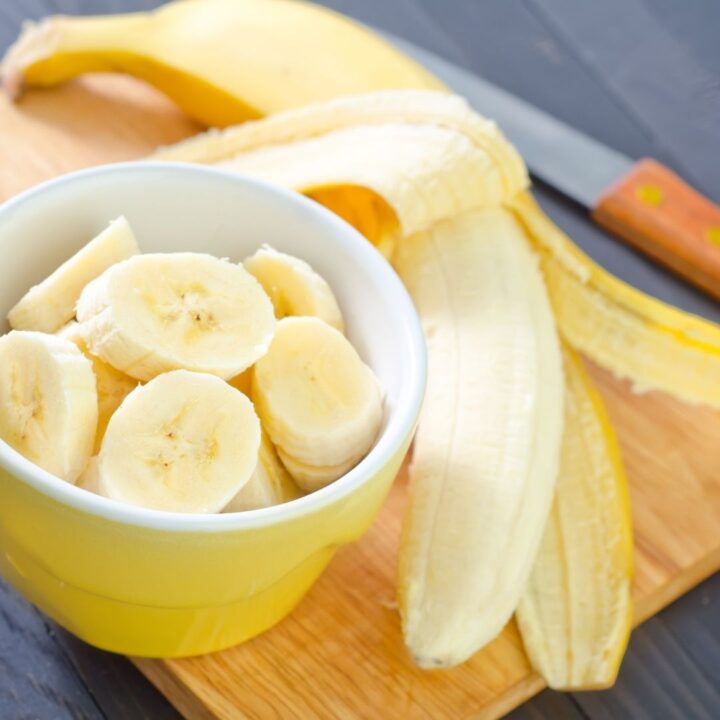
Try to snack on a banana daily before or after a workout. Also, freeze extra bananas to add to smoothies for a creamy consistency and added nutrients.
For breakfast, try adding sliced banana to your oatmeal.
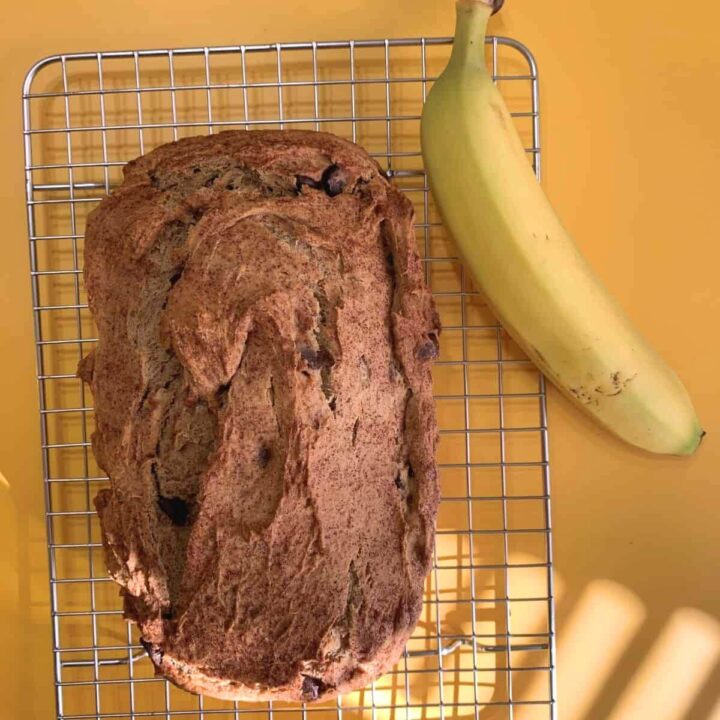
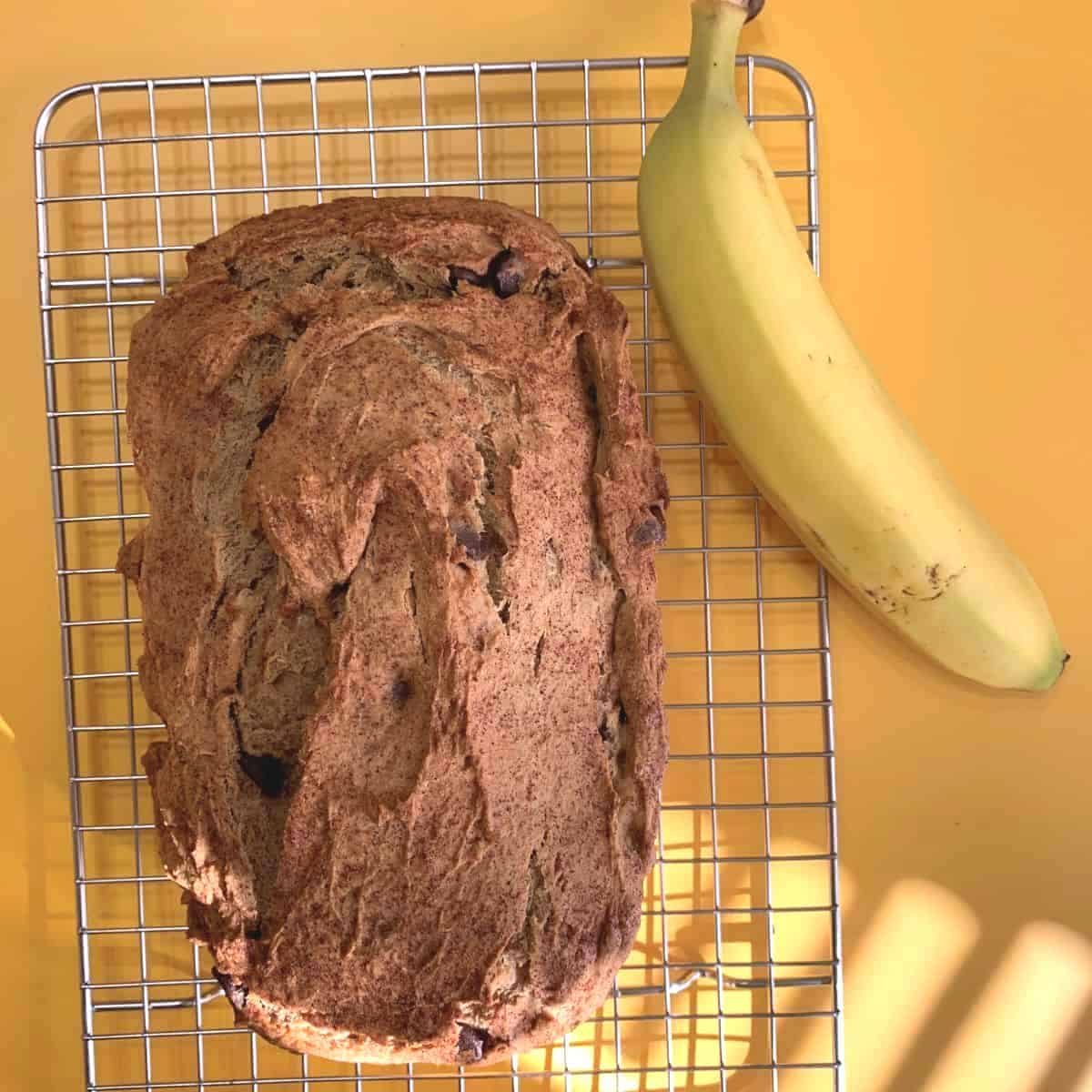
You can naturally sweeten desserts with bananas to decrease the number of refined sugars.
Try making "nice" cream by freezing bananas and blending it into a delicious tasting ice cream replacement.
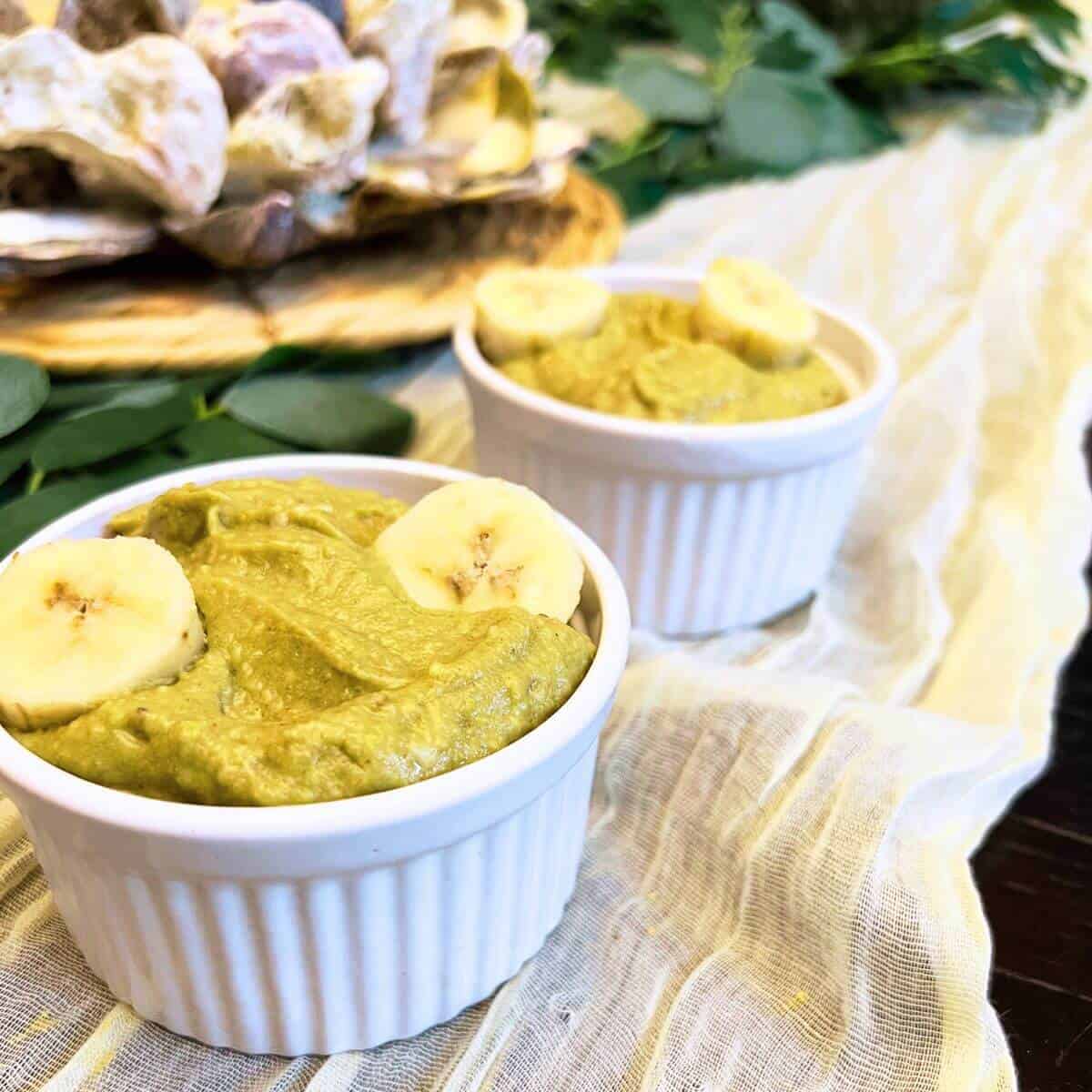
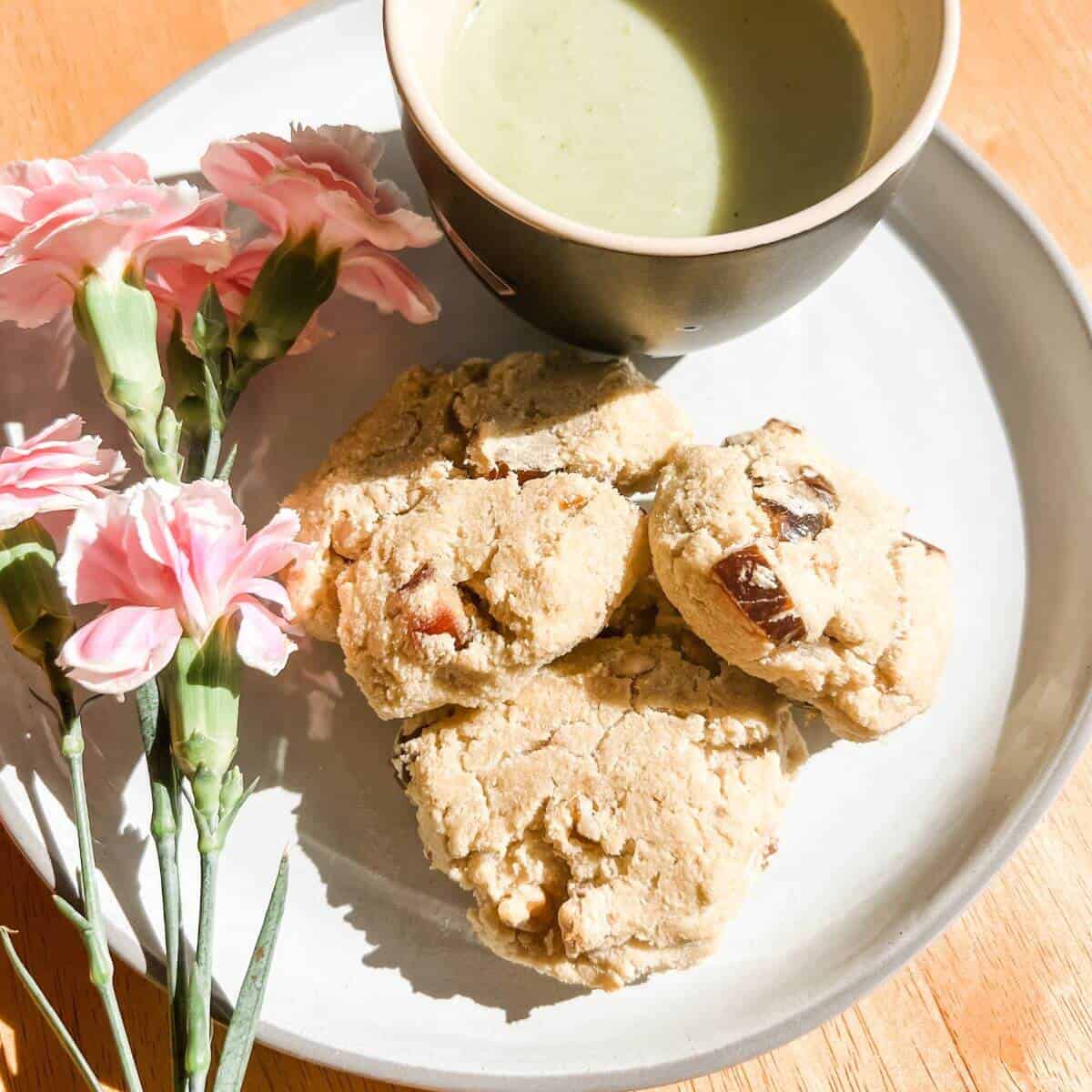
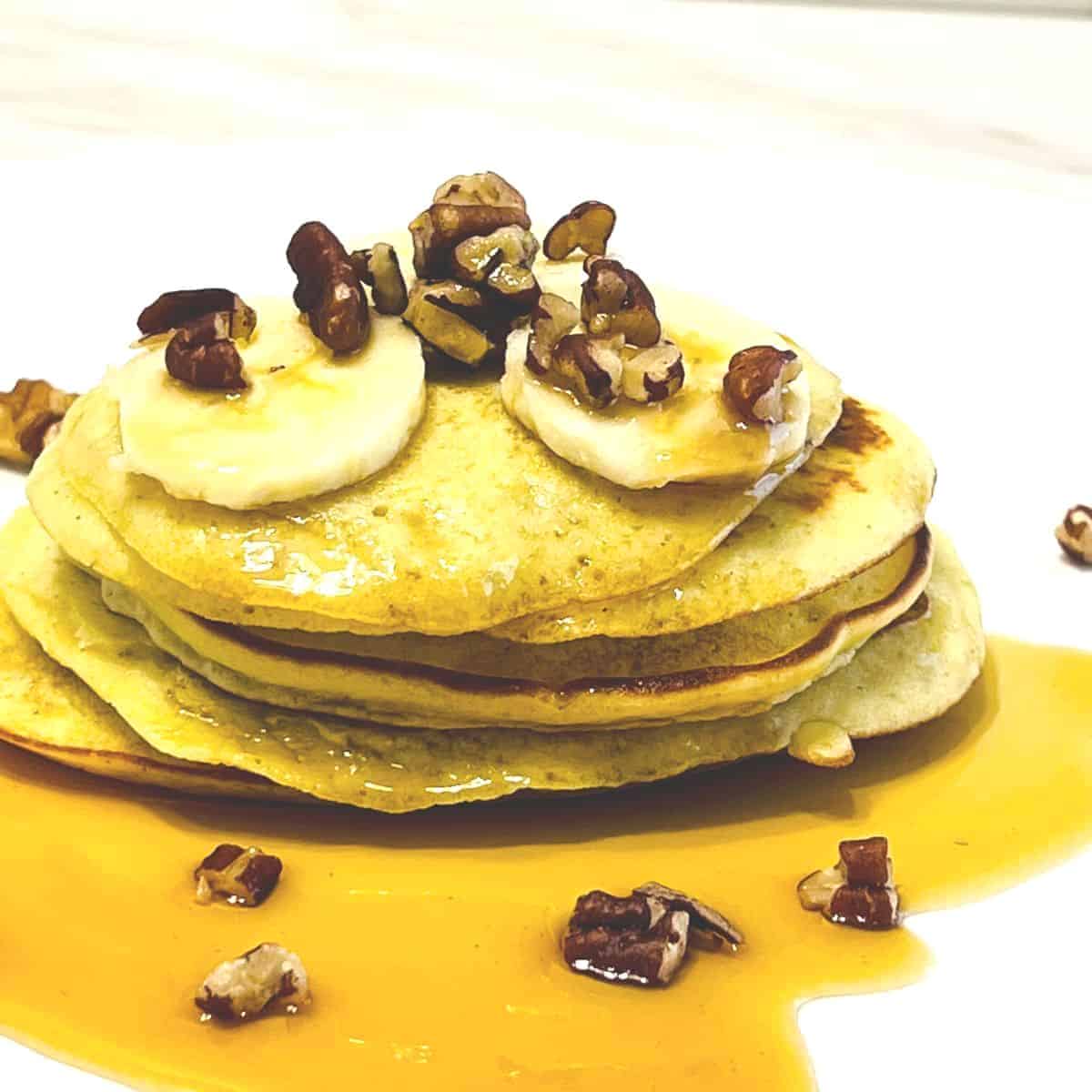
Banana Recipes
🗣️ Let's Discuss Nutrition Facts, Beauty, And Health Benefits Of Bananas!
Did you learn any amazing nutrition, health and beauty benefits of bananas? I would love to hear what your favorite banana recipe is. Let me know in the comments below.
You can also connect with me @EatYourNutrition on Instagram. I love seeing your photos. #EatYourNutrition #LauraVillanueva
📚 References
- High Content of Dopamine, a Strong Antioxidant, in Cavendish Banana Kazuki Kanazawa* and Hiroyuki Sakakibara Journal of Agricultural and Food Chemistry 2000 48 (3), 844-848 DOI: 10.1021/jf9909860
Comments
No Comments