










How many grams of protein did you eat for breakfast today? If you had a smoothie, how do you know whether it was high enough in protein? Are you going to hit your protein target at lunch? What about for your snack? Is it a good idea to eat more of it if you don't have any protein? What about the shake you'll drink after your strength training session?
All good questions (though, definitely not every person needs a shake after they workout). However, they can lead to tracking protein in a way that makes things feel like a math assignment in order to log the right numbers.
There is a simpler way to be more intentional about eating protein without stopping at every bite to check the weight. Just try choosing your protein first, then building the rest of your meal around it.
🌿 ARTICLE SNAPSHOT
Article Highlights
💡 Quick Overview: Eating more protein doesn't mean you have to turn your meals into math problems by tracking every gram of protein.
🎯 Main Topic: There is a simpler approach to choosing ideal protein choices, finding repeat meals that work for you while also spreading protein sources throughout ones day.
👥 Best For: Anyone who feels the need to track protein macros obsessively and would like a better eating pattern to follow based on their age, activity level, and health goals.
✨ You'll Learn:
- Why protein is such an important part of a balanced eating pattern?
- How to eat more protein without having to track every bite?
- Many easy protein options for breakfast, lunch, dinner, or snacks.
- How a higher-protein way of eating can be made realistic, instead of restrictive?
🌱 Why It Matters: Learning to choose protein and then build the meal around it is a better approach. The goal isn't to create a perfect protein number. It's to create nourishing eating patterns that you can realistically maintain.
Jump to:
- Article Highlights
- Why Is Protein Important?
- How Much Protein Do You Actually Need?
- Start With a Protein Anchor
- 1. Make Breakfast Work Harder for You
- 2. Stop Assuming Protein Has to Only Mean Meat
- 3. Improve the Meal That's Already There
- 4. Keep Convenient Protein Readily Available
- 5. Don't Forget About Snacks
- 6. Spread Protein Across Your Day And Without Obsessing Over It
- 7. Pair Protein With Strength Training
- What About Protein Powders?
- What About Protein Bars?
- A Simple Protein Meal Formula
- My Favorite Protein Powder!
- 🌀 The Harmony Method™ Perspective
- 🤔 FAQ - Common Questions Asked About Eating More Protein
- Didn't find the answer you're looking for?
- A Gentle Reminder
- Want Help Making Protein Choices Easier?
- You Don't Need to Turn Protein Into Another Food Rule
- 💬 Which Protein Habits Feels Most Doable For You Right Now?
- 📧 Share This Article
- 💬 Comments
Why Is Protein Important?
For starters, protein is one of three macronutrients that your body needs to survive, the other two being carbohydrates and fat.
Your body uses the amino acids found in protein for a number of jobs, such as building and maintaining muscle and other tissues. This is especially relevant as we get older and takes on greater importance if you're regularly doing resistance training, since maintaining muscle helps support strength, mobility, physical function, and staying active.
In addition to helping you get the most out of your workouts, protein serves a more basic role: It helps make your meals feel more substantial and satisfying. While it's important to zero in on the nutrition you need, don't forget to respect the roles of other important dietary players, like carbohydrates, fats, fiber, fruits, and vegetables.
How Much Protein Do You Actually Need?
Thanks to social media, this question can get unnecessarily confusing.
But the short answer is:
Most people and experts agree that the established Recommended Dietary Allowance is a good target: 0.8 grams of protein per kilogram of body weight per day. (The RDA is set at a level sufficient to meet the needs of most healthy adults.)
That said, if you're highly active or regularly strength train, a little older, or have specific health or body-composition goals, you may actually benefit from more.
Many aging studies, in fact, suggest that older populations require higher intakes than the RDA to maintain muscle. (Again, this does not mean every woman with muscle needs a high-protein target.)
But overall, your protein needs depend on you. And remember: You don't have to begin by tracking a specific number.
You can first improve the structure of your meals.
Start With a Protein Anchor
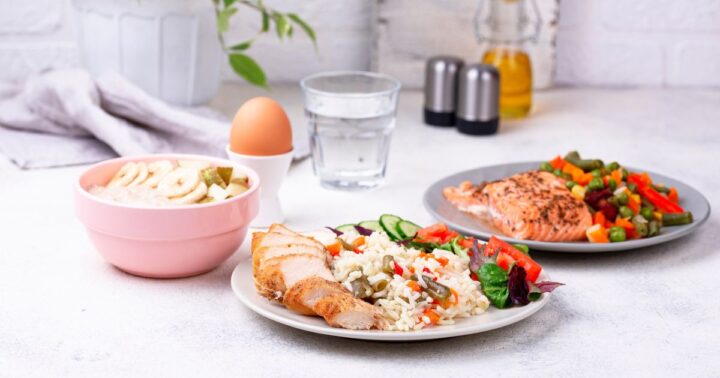
One way I like to keep things simple is to start with a protein anchor. Once you identify your protein source for a meal, you have the biggest part figured out.
Breakfast ideas include:
- An egg or two (whole or whites).
- Some Greek yogurt or cottage cheese.
- Tofu
- A protein smoothie.
- Chicken or another savory protein if you're a leftover eater.
For lunch, examples are:
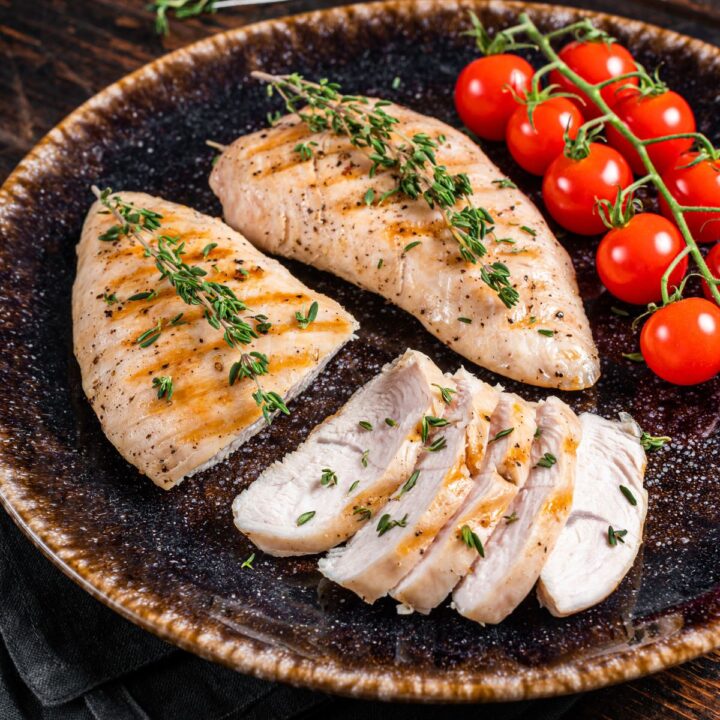
- A portion of chicken.
- Tuna or salmon.
- Turkey
- Tofu or tempeh.
- Beans or lentils if you're using some nice leftovers from dinner.
Dinner might be centered around:
- Some fish or seafood.
- Chicken or turkey.
- Lean meat.
- Tofu, tempeh, beans, or lentils.
For all meals, think about what vegetables or fruit you want to include (if any), what type of carbohydrate works for you, and what source of healthy fat or flavor you're using.
1. Make Breakfast Work Harder for You
I find protein often gets overlooked at breakfast, it's actually more common than at other meals. I mean, a piece of toast or a bowl of cereal can easily get mistaken as a whole breakfast and not to mention just simply having coffee as a tradition alone.
But you don't necessarily have to replace your favourite breakfast to add more protein because you could just upgrade what's already there.
That could look like:
- Pairing your overnight oats with Greek yogurt, cottage cheese or an egg.
- Having your toast with some eggs instead of just butter or alone.
- Adding a protein powder to your smoothie.
- Using yogurt as a base for a bowl topped with berries, seeds and something crunchy.
We often repeat our breakfasts, and I'm a big fan of that to minimize decision-making, so try out two or three combos and see which ones stick.
2. Stop Assuming Protein Has to Only Mean Meat
While animal foods are convenient and complete sources of protein, they're not your only protein options.
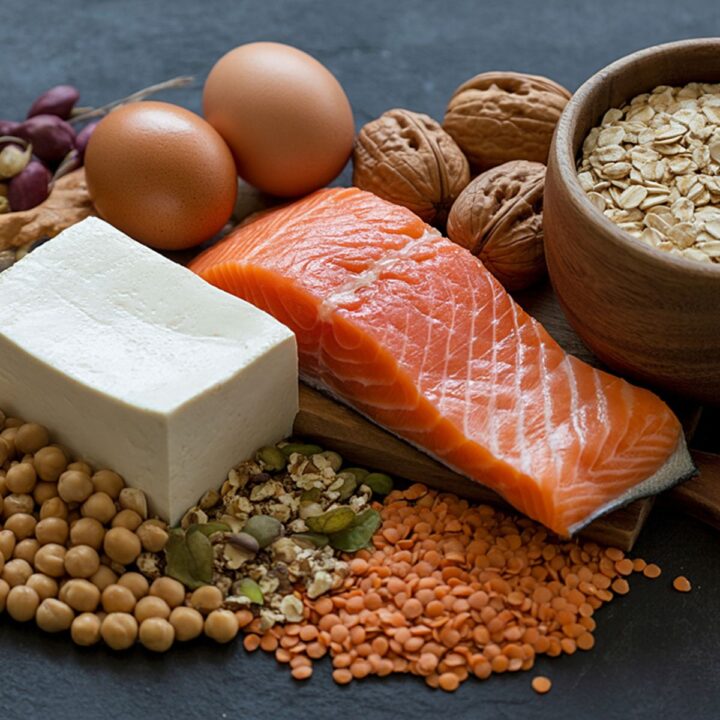
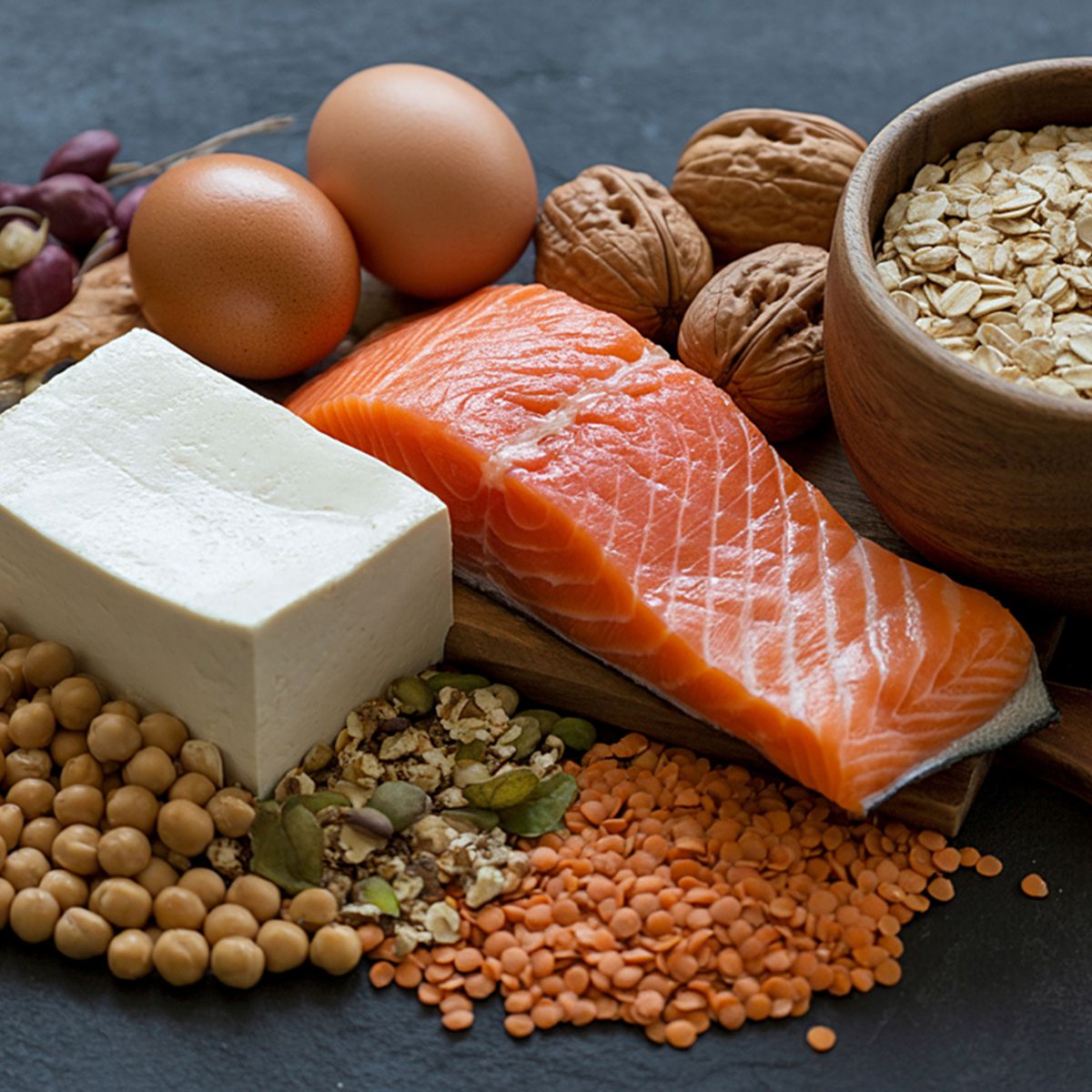
In fact, a wide variety of plant foods can also contribute meaningful amounts of this macronutrient, including tofu, tempeh, lentils, beans, edamame, peas, nuts and seeds, and higher-protein grains and grain alternatives.
Plus, you don't have to choose because your diet doesn't need to be all one or all the other. Many people are naturally both animal protein people and plant protein people, and that's just fine.
3. Improve the Meal That's Already There
No need to make a brand new recipe every time. Simply ask yourself, "where's the protein?"
- If you're making pasta, add some chicken, shrimp, turkey, tofu, beans, or whatever protein you enjoy.
- If you're having a salad, toss in some eggs, chicken, fish, tofu, beans, lentils, or cottage cheese.
- If you're preparing a soup, include some beans, lentils, shredded chicken or turkey, etc.
- And if you're eating leftovers, enjoy the repeat.
By simply improving the meals you already prepare, healthy eating becomes that much easier.
4. Keep Convenient Protein Readily Available
Convenience food has gotten a bad rap in the nutrition world, but it's really just another tool in your healthy eating toolbox.
The key is to select convenience foods that help you make supportive choices. Depending on what you like this might mean hard-boiled eggs, Greek yogurt or cottage cheese, canned tuna or salmon, pre-cooked chicken, frozen fish, tofu, edamame, beans or lentils, protein powder, frozen higher-protein meal components, or leftover repeat meals.
Regardless, there will be days you don't want to cook and that's OK! Plan ahead instead of pretending it doesn't happen.
5. Don't Forget About Snacks
Snacks don't always have to contain protein. But if you're trying to boost your overall intake, snack time is another perfect opportunity to easily incorporate more.
Some high protein snack ideas:
- Greek yogurt and berries.
- Cottage cheese and fruit.
- A hard-boiled egg and something crunchy.
- Hummus with veggies or crackers.
- Edamame
- A protein smoothie.
- Nuts or seeds with something else (e.g., nuts with a protein bar).
- Leftover chicken or turkey slices.
No one is saying to shove protein into every bite you take, but simply noticing some ideal opportunities where it makes sense can help.
6. Spread Protein Across Your Day And Without Obsessing Over It
Have you ever seen breakfast options or entrees at restaurants with barely any protein?
This is the most common pattern for most people: Start the day with very little protein, eat a little more at lunch, then cram most of your day's intake into dinner.
Exact protein distribution across meals doesn't seem to make a big difference in the long-term benefits. But from a practical standpoint, include meaningful sources of protein at more than one meal of your day to ensure you're getting adequate intake without stuffing yourself at dinnertime.
This is yet another reason my protein-anchor approach works:
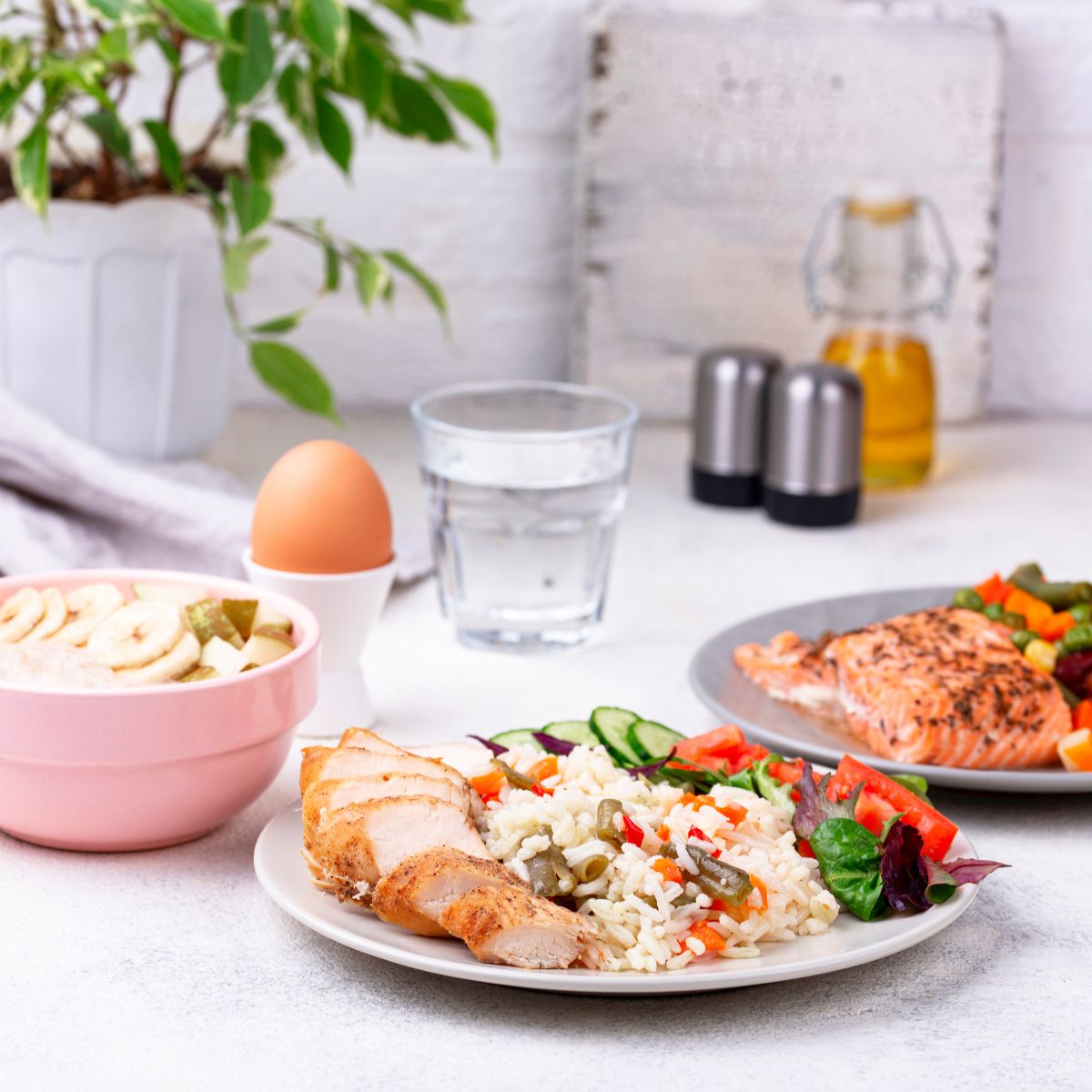
- Breakfast: identify the protein.
- Lunch: identify the protein.
- Dinner: identify the protein.
- Then move on with your life.
7. Pair Protein With Strength Training
Let's be clear: If maintaining muscle mass is one of your goals, then it's not all about nutrition. Your muscles need a reason to stay strong, and that reason is resistance training.
📥 GET THIS RECIPE IN YOUR INBOX 📥
Nutrition and strength training are two complementary daily habits that promote muscle development, just like training and recovery (which also includes getting adequate nutrition and sleep).
So, no: You do not have to chase a tiny "protein window" immediately after your final rep. The overall pattern of your nutrition and training will have a far greater impact than racing to drink a protein shake immediately after as the sweat dries on your brow.
What About Protein Powders?
It can be useful tool, or completely unnecessary, or simply another convenient food option. It all depends on your unique bioindividual needs.
If you have little trouble getting enough protein in your meals, it's probably not something you need.
But if your mornings are rushed, or you struggle to build protein into snacks, or a smoothie really is the easiest option for you, protein powder may be just the thing to make your life a little simpler.
That's how I like to think about supplements or convenience foods: do they help make a supportive habit easier? If so, great! If not, they're not necessary and they shouldn't be the foundation of your diet.
Yes, this is coming straight from a founder of a nutrition supplement company who sells our own line of protein powders.
I'm not here to lie and make a quick buck off of you, I want you to made an educated choice based on your own unique individual needs.
What About Protein Bars?
They're the same idea, really. A protein bar can certainly come in handy if you're traveling, running errands, heading to an appointment, or stuck without a real meal.
But it's not about replacing whole foods all day, or passing some imaginary "test" of what's considered healthy. Use convenience strategically.
A Simple Protein Meal Formula
Here's a simple formula you can use:
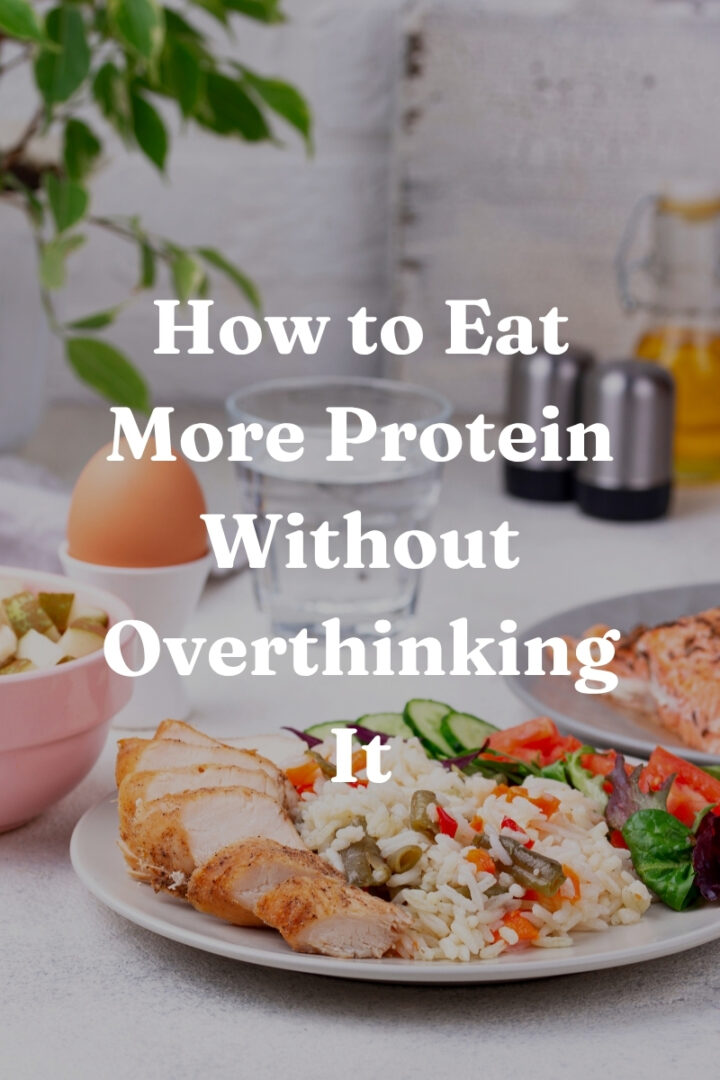
Pick your protein.
- Chicken, fish, eggs, tofu, beans, yogurt, cottage cheese, etc.
Add plants.
- Vegetables, fruit, herbs, etc. Whatever produce you have access to and want to include in the meal.
Add a carbohydrate.
- Potatoes, rice, oats, fruit, gluten-free grains, etc. Whatever carbohydrate you enjoy that works for you.
Add satisfaction with flavor infusion elements.
- Avocado, olive oil, dressing, sauce, herbs, spices, crunch, etc. Whatever makes the meal taste good and satisfying. Try a few of my favorite flavor infusion elements here.
Because really, nutrition is not just about hitting the numbers... It's also about wanting to eat the food.
the best
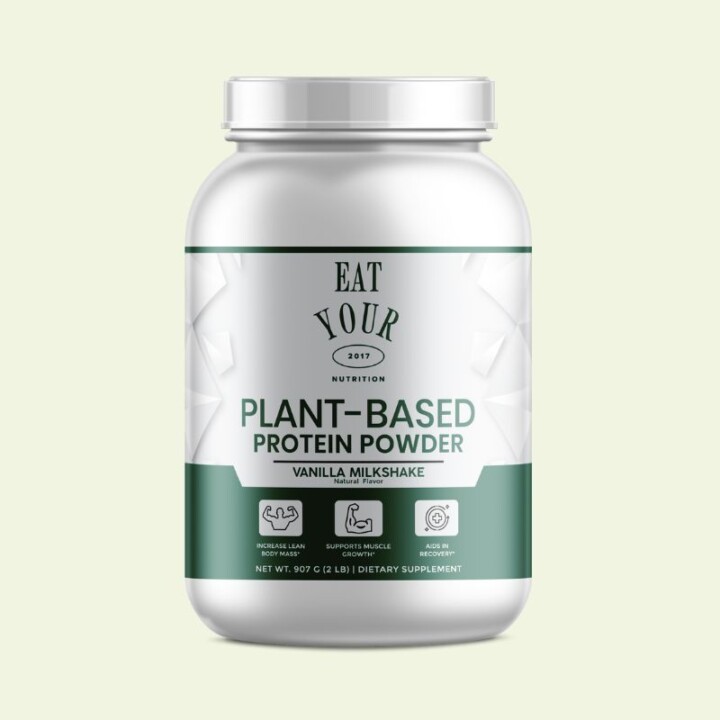
My Favorite Protein Powder!
Indulge in creamy vanilla milkshake flavor with our plant-based protein powder.
🌀 The Harmony Method™ Perspective
If you aren't up for making an elaborate meal plan, just choose some combinations to easily rotate through!
Here are three meals for both breakfast, lunch, and dinner:
Breakfast:
- Eggs, potatoes, and vegetables.
- Greek yogurt topped with berries and seeds.
- Cottage cheese with fruit and gluten-free toast.
- Protein smoothie with fruit.
- Tofu scramble and potatoes.
Lunch:
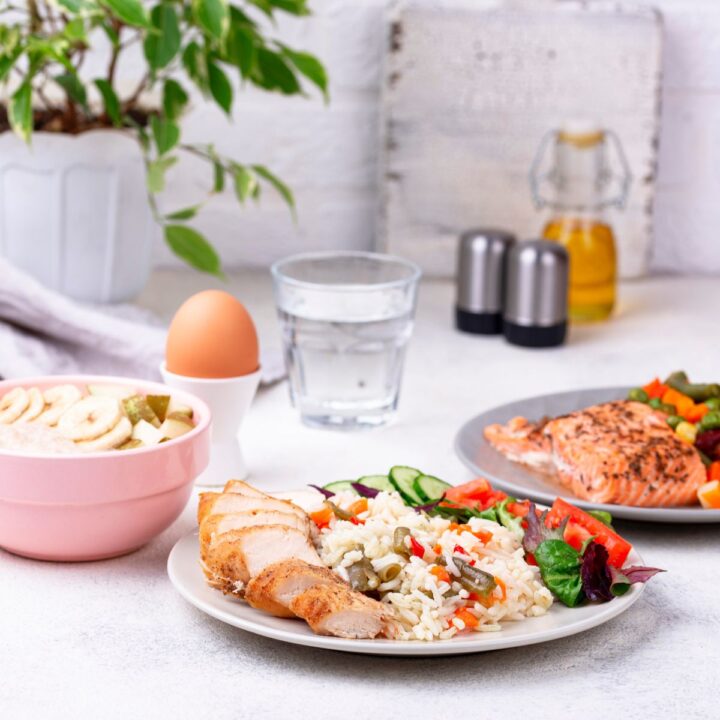
- Chicken salad bowl with vegetables and rice.
- Tuna with crackers, vegetables, and fruit.
- Tofu grain bowl with roasted vegetables.
- Leftover taco bowl.
- Lentil soup with a satisfying side.
Dinner:
- Air fryer chicken thighs with potatoes and vegetables.
- Salmon, rice, and roasted vegetables.
- Tacos with your preferred protein and toppings.
- Tofu stir-fry with vegetables and rice.
- Bean or lentil bowl with vegetables and avocado.
Eating more protein doesn't mean you have to eat a high-protein version of every food.
--- Laura Villanueva, Eat Your Nutrition
🤔 FAQ - Common Questions Asked About Eating More Protein
Here are answers to a few common questions about how to eat more protein without breaking out the calculator or food scale every single day.
What's the easiest way to start eating more protein?
Pick one protein source you can easily add to one meal (that you eat consistently). Why? Since adding to an existing meal or food is easier, and often more doable, than trying to completely revamp an entire meal.
Maybe you add eggs or egg whites to your morning toast, Greek yogurt to your breakfast, or chicken (or tofu) to a salad.
Or maybe you add beans to a soup or bowl.
Once that becomes a natural part of your routine, it's easier to level up another meal.
Do I need to track my protein intake?
It's helpful to know how much you get, but not everyone has to track it.
If your nutrition or performance goals are specific, tracking can help you get a good base knowledge of what you're eating. If that's the case, you'll also have good idea of how many protein (or protein relative to your overall calorie intake) you need in order to hit that goal.
But if you're simply getting in a meaningful protein source at a regular basis, you probably don't need to be concerned with the some number. You may also just go by how you feel, and your overall results.
If you have a medical condition or specific body-composition or performance goals, check with your own healthcare team or nutrition professional. They can help with individual protein needs. If you need help, you can contact me for coaching support.
How much protein should I eat per day?
Your protein needs vary based on a number of factors, including: body size, age, activity level, health, and goals.
The adult Recommended Dietary Allowance is 0.8 grams of protein per kilogram of body weight per day, but some people, like very active adults and older adults, may benefit from different amounts.
There isn't one perfect protein number for every person.
Should I eat protein at every meal?
You don't have to eat a specific amount of protein at every meal.
However, your chances of meeting your overall needs will go up by including protein-containing foods at several points throughout the day.
And, meals with protein will help you feel more satisfied.
Try this strategy in whatever form works for you, without stressing the details of how many grams at a time.
What are some easy high-protein breakfast foods?
If you need some inspiration, easy high-protein breakfast foods include:
Eggs or egg whites.
Greek yogurt.
Cottage cheese.
A tofu scramble.
A protein smoothie.
Leftovers, like meat, fish, tofu, or other savory proteins.
Oatmeal paired with any of the above or another protein-rich food.
Choose whatever option will be most enjoyable and easiest for you to repeat.
What are good plant-based protein sources?
Good plant-based protein sources include:
Tofu and tempeh.
Beans, lentils, edamame, and peas.
Nuts and seeds.
Other protein-rich grains or grain alternatives
A varied diet can include both plant and animal proteins. You do not have to choose one or the other.
Can I get enough protein without protein powder?
Absolutely! Protein powder is just a convenient option and not a requirement. Most of us can get our protein needs met with meals and snacks.
Foods like eggs, dairy (or dairy alternatives), fish, poultry, meat, tofu, beans, lentils, nuts, and seeds all contain protein. Protein powder can be convenient if you're short on time and just don't feel like preparing a meal or snack.
Is eating more protein helpful for women over 40?
Protein is important throughout adulthood, but after 40, maintaining muscle becomes more relevant and adequate protein intake combined with resistance training can help with that.
That said, every woman over 40 doesn't need to follow an extremely high-protein diet. Our individual needs vary.
Do I need protein immediately after a workout?
Probably not. While consuming protein after exercise can be helpful to recovery, you're not required to race out and get some the minute you've finished your workout.
Overall protein intake throughout the day is more important to your training habits and recovery pattern than the exact timing.
Can you eat too much protein? Yes. More isn't automatically better.
Protein needs to fit within an overall balanced eating pattern Carbohydrates, fats, fiber-rich foods, fruits, and vegetables also supply important nutrients and health benefits. Energy needs need to be considered as well.
Very high intakes may also be inappropriate for some people.
For example, people with kidney disease may have different protein needs. Individualized guidance from a healthcare provider should be followed.
Didn't find the answer you're looking for?
Ask AI to answer based on this specific recipe:
A Gentle Reminder
A gentle reminder to everyone who thinks they need a high-protein version of every food...
- You can have a cookie without added protein!
- You can have a coffee without added protein in it!
- You can have dessert without it trying to be a protein snack!
Sometimes, food can just be food. Focus on building nourishing meals most of the time and including meaningful sources of protein where it naturally fits.
Leave room for flexibility, enjoyment, culture, convenience, and just... real life.
You don't need to optimize every bite in order to nourish yourself well!
Want Help Making Protein Choices Easier?
Try some of these practical ideas to make it easier to prepare nourishing meals. There are more high-protein breakfast ideas, simple dinners, and more resources here at Eat Your Nutrition® recipe index and our Eat Your Nutrition® Shop for some convenient protein options that can help too.
Start with one meal, one recipe, and begin there. Let simple daily habits do more of the work for you.
👉 Shop High Quality Protein Powders
Support digestion, balanced nutrition, and everyday wellness with gut-friendly protein powders designed to nourish your body with clean ingredients that are gentle on digestion.
👉 Eat Your Nutrition Weekly Newsletter
Get practical nutrition education, gut and hormone wellness tips, nourishing recipes, and realistic healthy habits delivered directly to your inbox.
You Don't Need to Turn Protein Into Another Food Rule
This might be the most important part. We get so much nutrition advice that starts out helpful only to add pressure.
- "I'm supposed to eat breakfast, but now...
- Is there enough protein in it? Is my lunch 'balanced'? Should I have another snack? Did I hit today's number?"
For the record, tracking helps a lot of us learn, but tracking is a tool, not the goal. The goal is building a way of eating that's supportive but also fits into our actual life.
💬 Which Protein Habits Feels Most Doable For You Right Now?
You don't need to use all of these strategies starting today. Pick one change that fits best with your current routine, whether that's:
- Adding some eggs to your breakfast
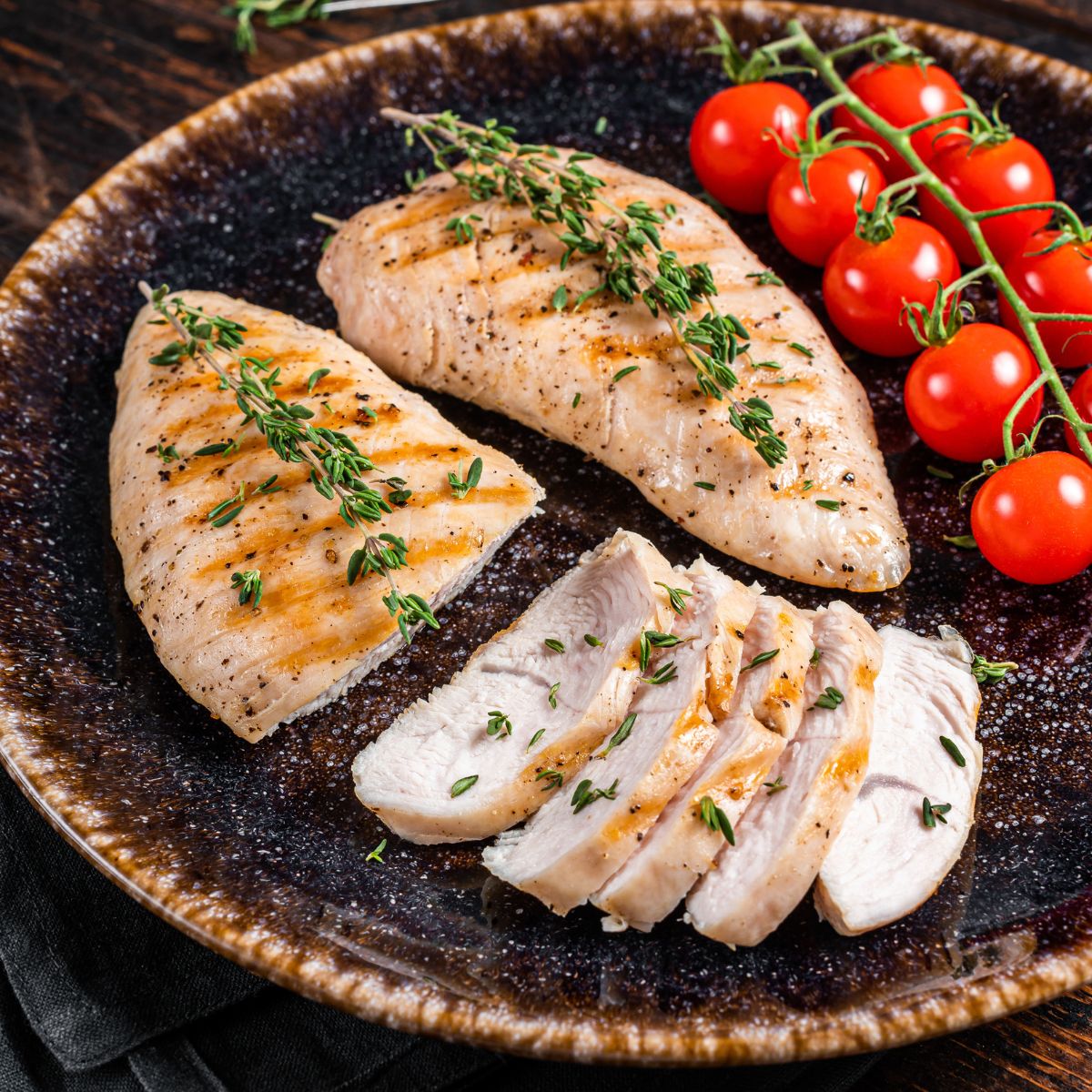
- Cooking up a few chicken breasts (or some tofu) to keep in the refrigerator and have on hand
- Choosing a protein source before all else when you're building dinner
- Just paying a little more attention to eating protein at lunch
- And then practicing the one, until it's easier and more automatic.)
Those small wins do matter. 💚 I'd love to hear from you. 💚
- Which meal is hardest for you to include enough protein in right now?
- What's one protein-rich food you can realistically keep stocked each week?
- Which tip from this article seems easiest to try first?
Drop a comment below or connect with me on Instagram @eatyournutrition and share what you're working on. Your experience may help someone else find a strategy that works well for them too.
And if you're ready to take the next step...
- 🌿 Explore my nutrition programs designed to support gut health, hormone balance, metabolic wellness, and whole-body nourishment.
- 📖 Download your free Gut Health Guide to start building sustainable wellness habits.
- 🥗 Browse my collection of gut-friendly recipes made with wholesome, nourishing ingredients for everyday meals.
Remember, a healthy lifestyle isn't about perfection. It's about nourishment, consistency, and creating daily rhythms you can return to time and time again, even when life doesn't go according to plan.
I'm honored to be part of your wellness journey and look forward to helping you every step of the way.
📧 Share This Article
If this article helped you think differently about how to eat more protein without obsessively counting your macros, then please share this to spread the love.
✨ Ways To Share:
- Send it to a friend or family member who feels like they need to get protein in every single food choice that they make.
- Share it on Pinterest, Facebook, or Instagram, or your favorite social platform.
- Add it to your wellness community, workplace wellness program, or health-focused Facebook group.
📌 Every shared article helps spread evidence-informed nutrition education and reminds more people that sustainable wellness doesn't require another extreme reset.
Sometimes the healthiest next step is simply learning to trust your own body and nourish it in a supportive way.
Comments
No Comments